Water pH often varies dramatically between different layers in stratified systems, with surface layers typically more alkaline due to photosynthesis and deep layers more acidic from decomposition processes. Aeration mixing balances these extremes by facilitating natural chemical buffering reactions that work best when water components can move freely between zones instead of staying trapped in isolated pockets.
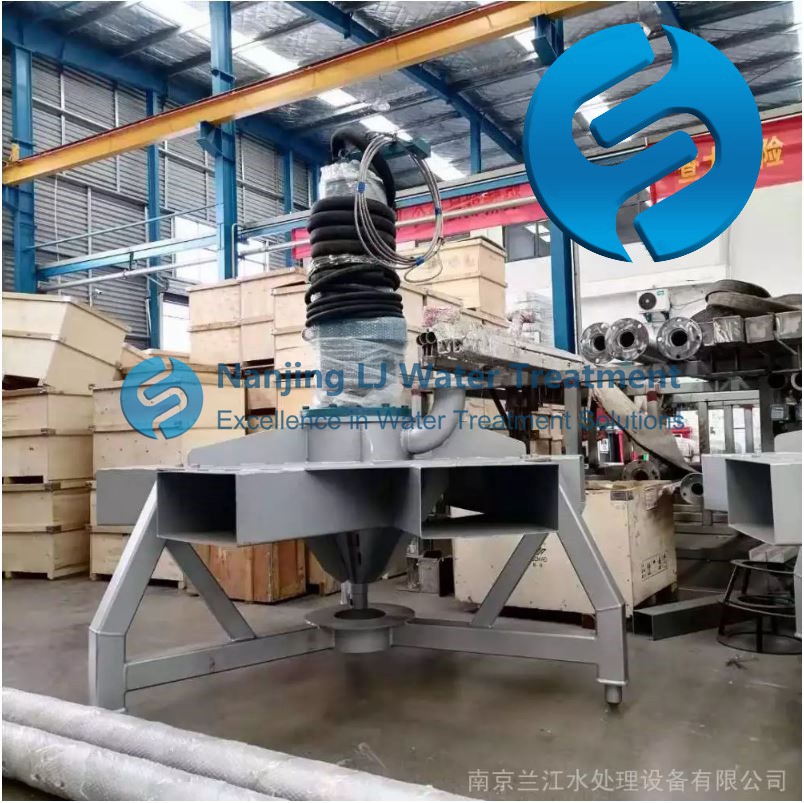
Facilitating Carbon Dioxide Distribution for Natural Buffering
Carbon dioxide plays a central role in water's natural pH buffering system, but in stagnant water it often accumulates in deep layers where it forms carbonic acid, creating acidic conditions, while surface layers become depleted of CO₂, leading to alkaline swings. Mixing distributes CO₂ evenly throughout the water column, allowing the carbonate-bicarbonate buffer system to operate effectively across all depths. This prevents both extreme acidity in bottom waters and extreme alkalinity at the surface.
The steady movement also ensures that CO₂ produced by respiration in deep zones gets transported to surface layers where it can escape to the atmosphere or be used by photosynthetic organisms, rather than building up to levels that would overwhelm the water's buffering capacity. This continuous exchange keeps the entire pH regulation system in balance without requiring chemical additives.
Preventing Localized Acid or Alkaline Spikes
In isolated stagnant zones, biological activity can create sudden pH changes that would normally be moderated by mixing with surrounding water. For example, intense algal photosynthesis in a surface layer can rapidly consume CO₂, driving pH sharply upward, while anaerobic decomposition in a bottom layer can produce organic acids that push pH downward. Aeration mixing connects these zones so that acidic and alkaline tendencies cancel each other out, preventing either extreme from developing.
This balancing effect works continuously, smoothing out pH fluctuations that would otherwise occur on daily or seasonal cycles. The result is a much more stable pH profile that stays within the tolerance range of most aquatic organisms, reducing stress and supporting healthier ecosystems.
Supporting Mineral-Based pH Stabilization
Many natural waters contain dissolved minerals like calcium carbonate that can help stabilize pH, but these minerals often settle out of solution in stagnant areas where water chemistry becomes unbalanced. Mixing keeps these particles suspended and distributed, allowing them to interact with water throughout the system. When pH starts to drift, these minerals can dissolve or precipitate to bring it back toward neutral, acting as a natural pH correction mechanism.
This mineral-based stabilization works best when water movement ensures constant contact between the mineral particles and all parts of the water column. In mixed systems, pH stays closer to neutral with less dramatic swings, even when external factors like acid rain or alkaline runoff temporarily affect the water chemistry.
Post time:2026-07-27
