News
-
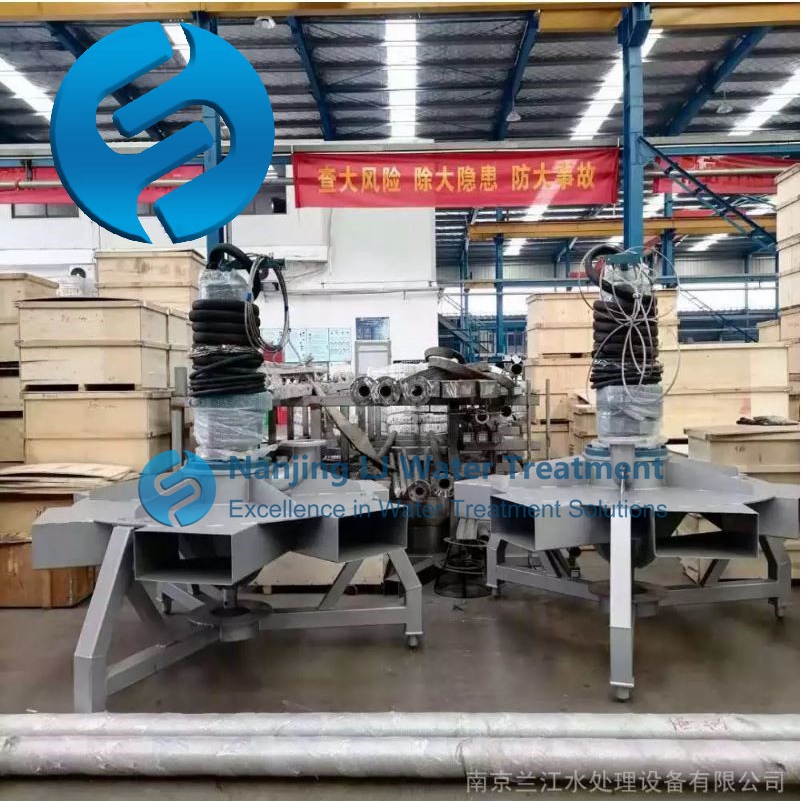
Selection and adjustment of aeration mixer for different seasonal operating conditions
Seasonal shifts create major changes in water temperature, influent characteristics, and biological activity, all of which directly alter the performance requirements of aeration mixing systems.Read more -
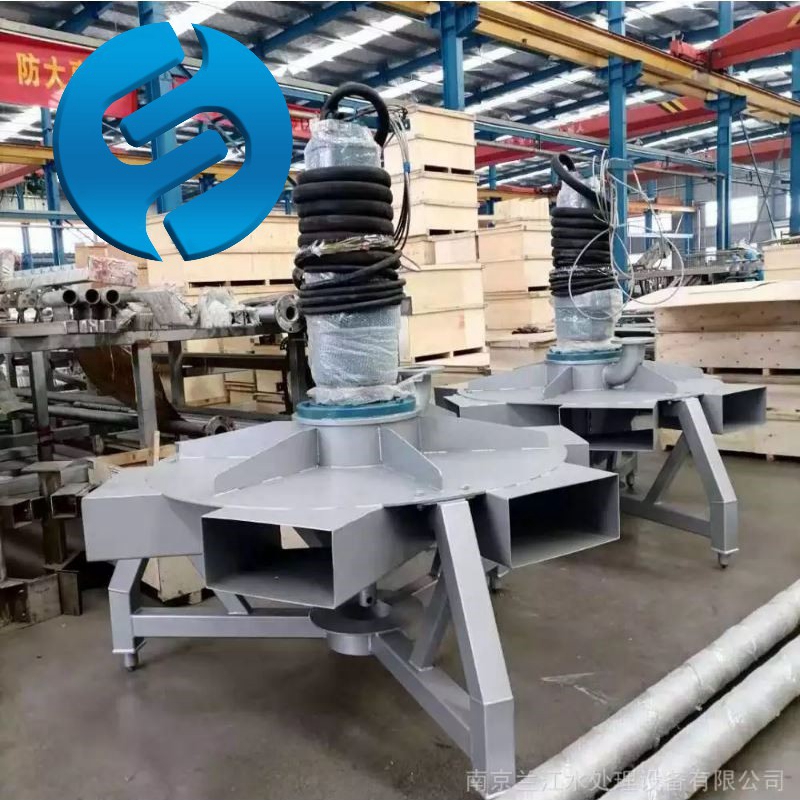
Aeration mixer energy-saving selection optimization techniques
When designing and operating wastewater treatment systems, aeration and mixing processes often represent one of the largest shares of total energy consumption across the entire facility.Read more -
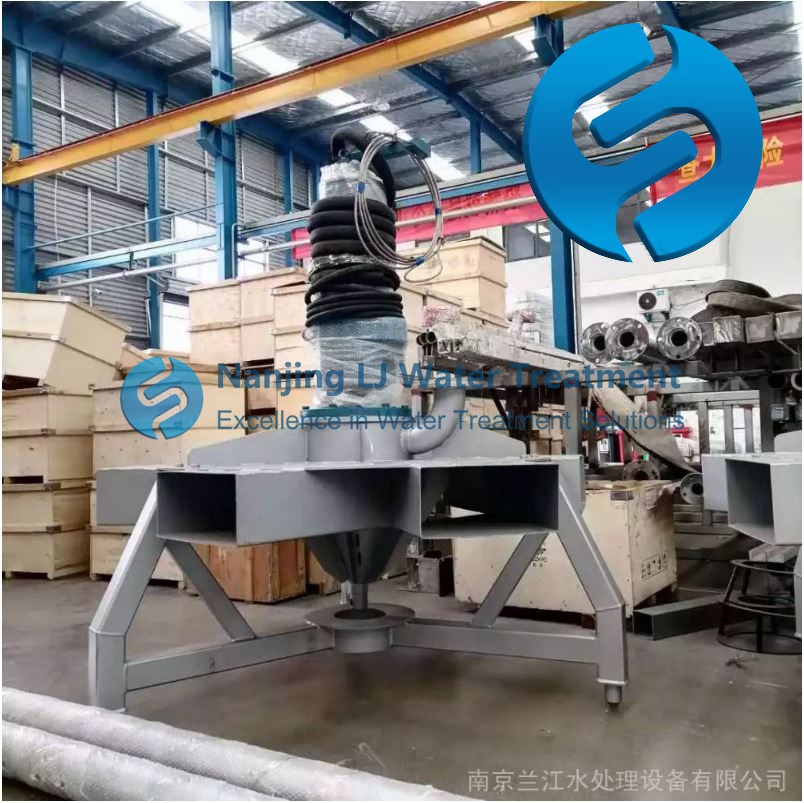
Aeration mixer enhances water treatment efficiency - a comprehensive solution
Optimizing water treatment efficiency with well-matched aeration mixer solutions is a core priority for facilities aiming to balance stable effluent quality and long-term operational reliability.Read more -
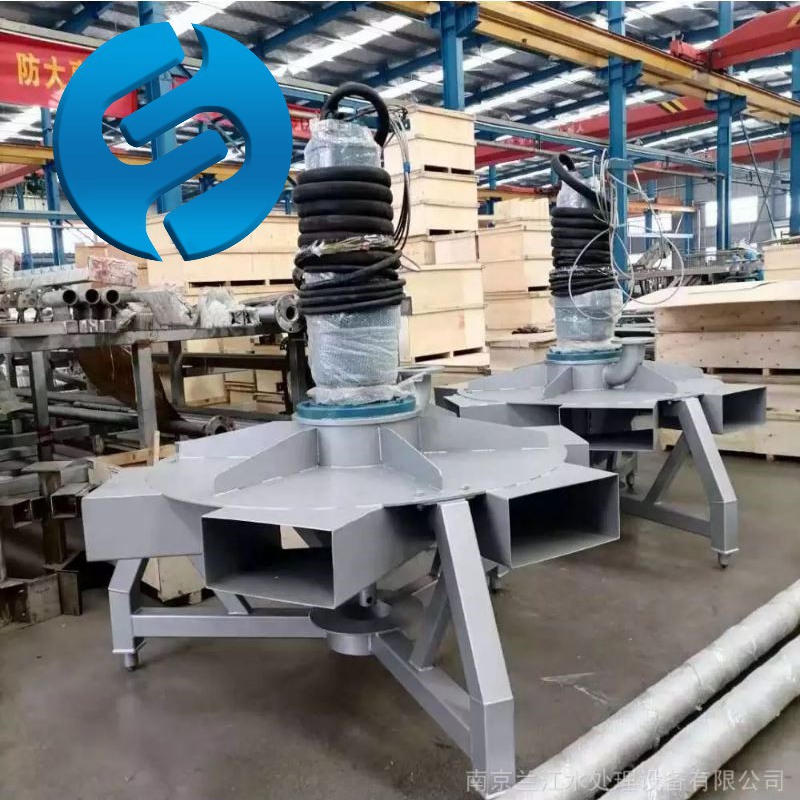
Selection ideas for biological water body treatment using aerator mixers
Ecological water body restoration projects face far more variable natural conditions than standard industrial or municipal treatment tanks. Unlike enclosed, controlled environments, open natural water bodies have changing water depth, uneven sediment distribution, unpredictable water flow and complex local ecological characteristics.Read more -
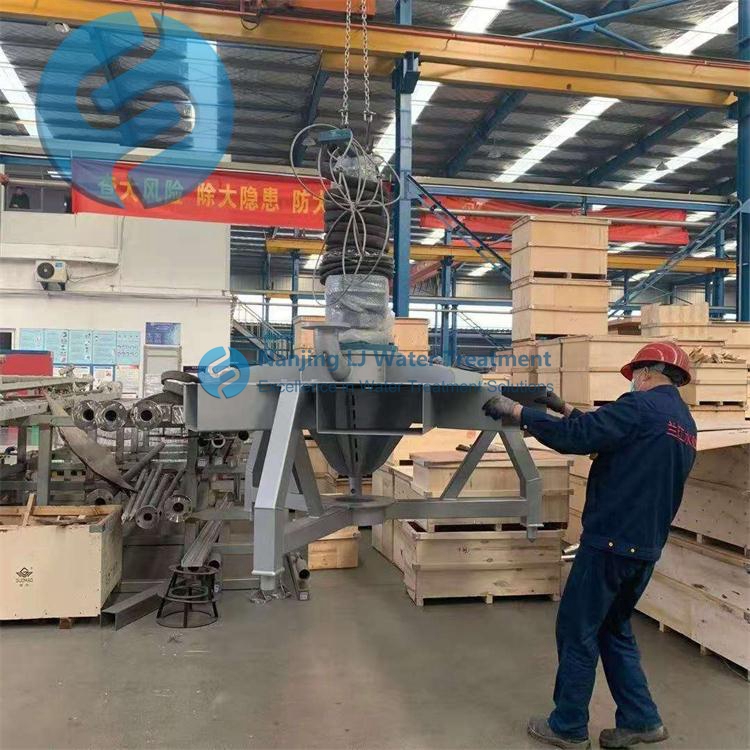
Selection and Adaptation for Renovation of Old Water Tanks with Aeration Mixers
Many aging water treatment tanks that have been in operation for more than a decade often face hidden performance drops that are easy to overlook during daily checks. The aeration mixing system, which sits at the core of biochemical treatment, gradually loses its original efficiency as components wear down over years of continuous contact with corrosive water, suspended solids and fluctuating wateRead more
