News
-
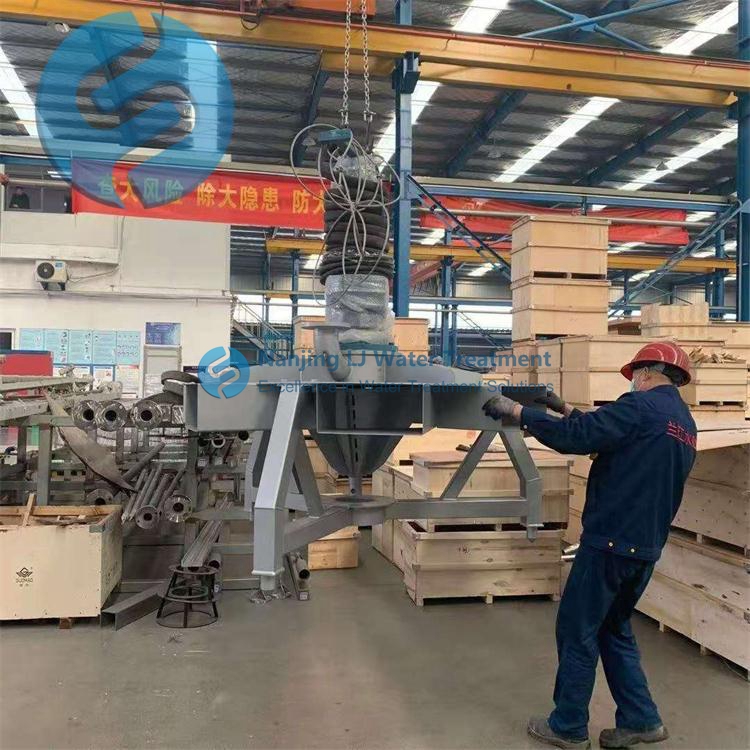
The selection ideas for aerator mixers in remote water areas
Remote water aeration mixer selection follows a different logic from standard facility-based projects, since site access, power supply limits, and long-term unattended operation become far more important than they are in urban or industrial settings.Read more -
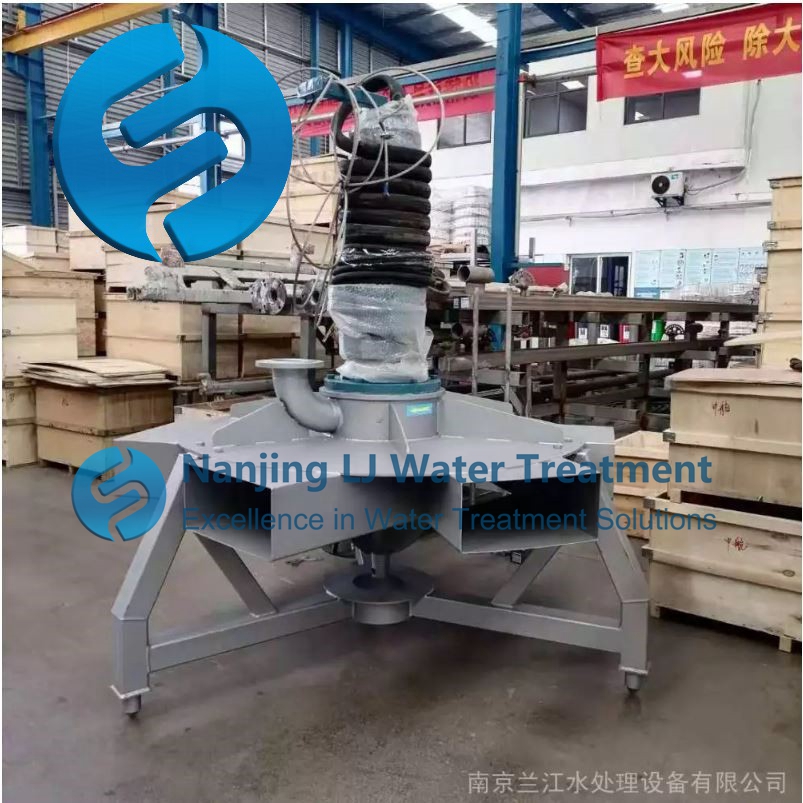
Selection Reference for Noise Reduction of Aeration Mixers
When working on aeration mixer projects, noise control often becomes one of the most overlooked but critical parts of a successful installation.Read more -
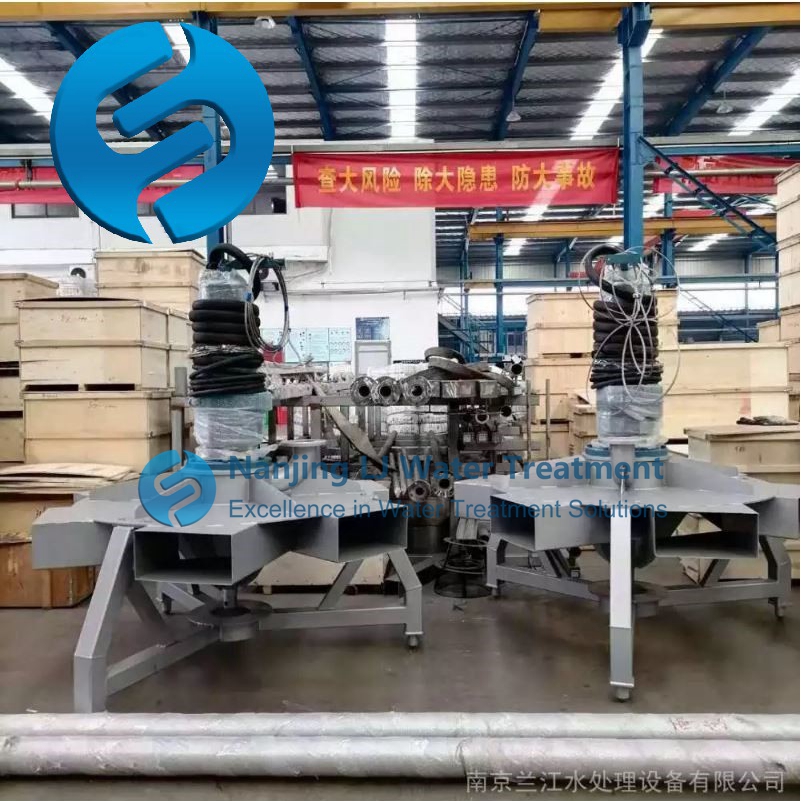
The configuration method of the aeration mixer and the gas supply equipment
When designing the supporting air supply layout for aeration mixers, the matching logic must follow the actual flow field demand of the water body rather than a fixed set of standard parameters. A well-coordinated air supply system can maximize the oxygen dissolution effect while reducing unnecessary energy consumption during long-term operation.Read more -
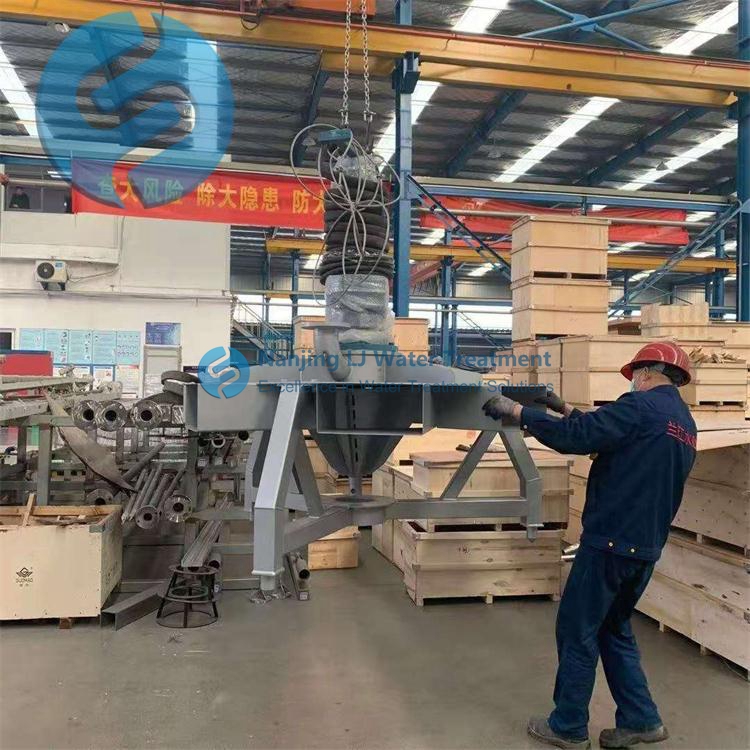
Selection of aeration mixer for clean water activation process conditions
When selecting aeration mixers for clean water commissioning, every detail of the working condition directly determines the final oxygen transfer performance and long-term operating stability.Read more -
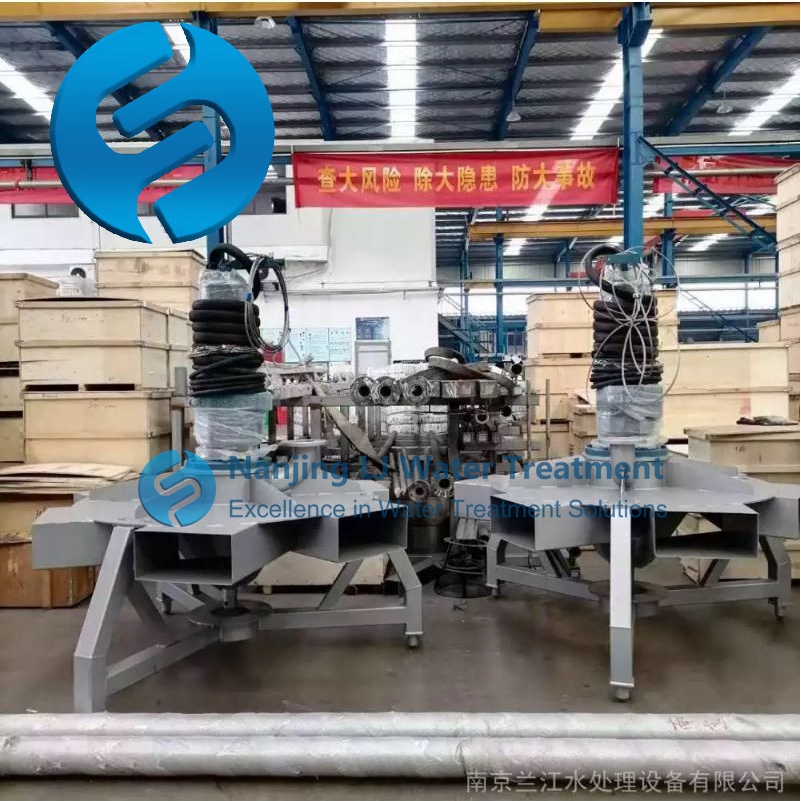
Selection techniques for aeration mixer in situations with large sludge volume
Selecting an aeration mixer for high-sludge operating conditions demands targeted attention to flow dynamics and load tolerance that standard general-purpose units cannot fully address. Heavy sludge environments create unique challenges for mixing stability, oxygen transfer consistency, and long-term equipment uptime.Read more
