News
-
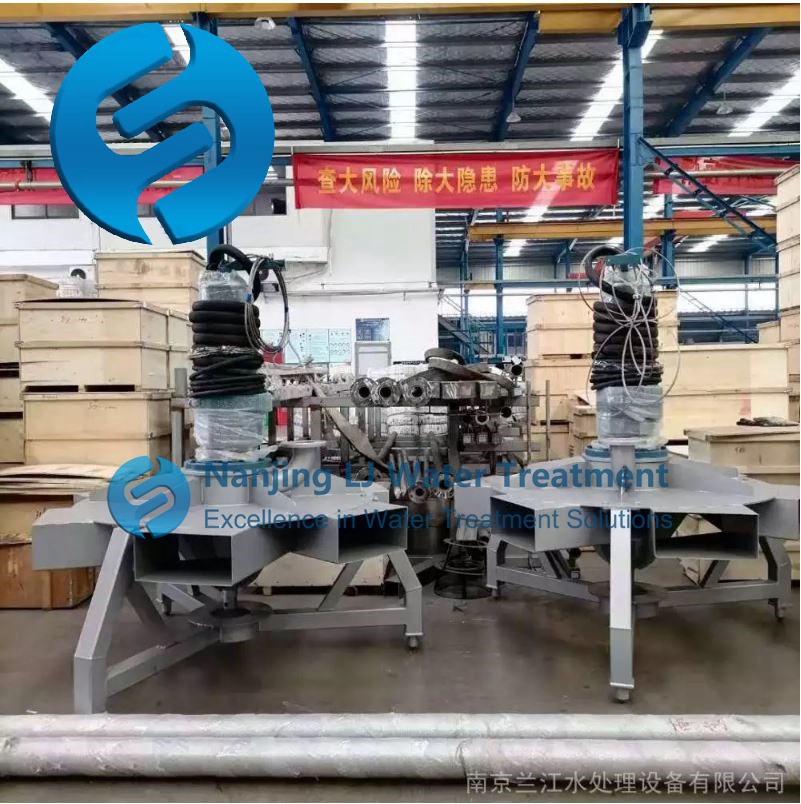
Key points for selecting continuous operation models of aeration mixers
Choosing a continuous-operation aeration mixer for long-running water treatment projects requires practical, field-tested judgment that aligns with real-world operating conditions.Read more -
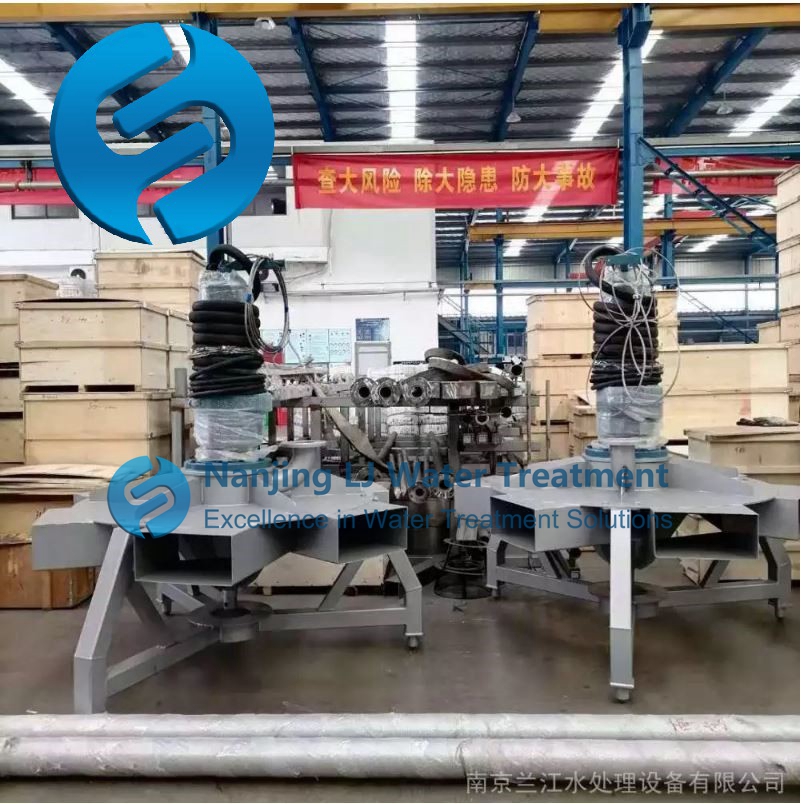
Selection of intermittent operation models for aeration mixers
Intermittent operation of aeration mixers is a common setup in many water treatment systems, where units run for set periods and then pause completely to match variable process demands, reduce unnecessary energy consumption, or support staged biochemical reaction cycles.Read more -
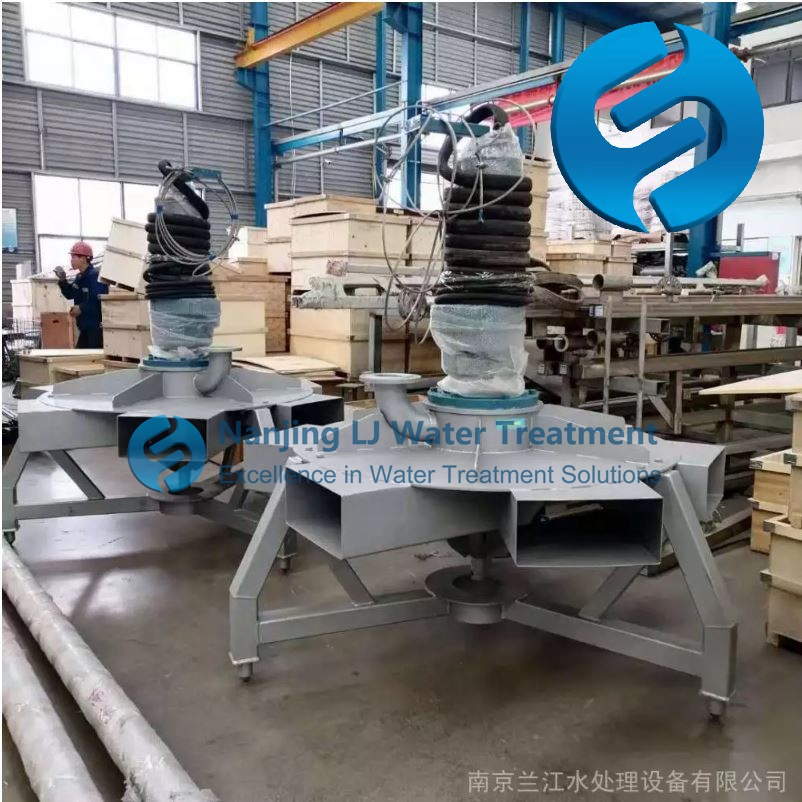
Aeration mixer selection scheme for large-scale water treatment ponds
Selecting the right aeration mixer for large water treatment tanks directly determines how consistently dissolved oxygen levels stay stable, how evenly flow circulates across the entire tank volume, and how much energy the whole system consumes over years of continuous operation.Read more -
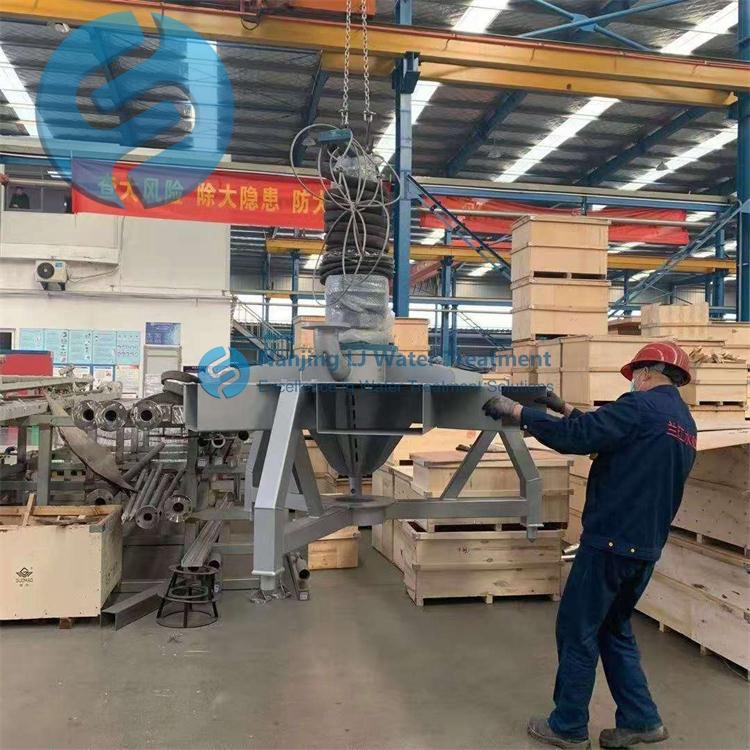
Selection method for aeration mixer in small-scale sewage tanks
Selecting the right aeration mixer for a small wastewater basin requires careful consideration of site-specific conditions, operational demands, an Shallow basins under 2.5 meters in depth require different flow patterns compared to deeper structures, as vertical bubble rise alone cannot guarantee full water circulation across the entire tank volume.Read more -
Selection and Adaptation Principles for Aeration Mixer in River Channel Management
Aeration mixer selection for river restoration projects requires careful alignment with unique site conditions, pollution profiles, and long-term ecological goals.Read more
