News
-
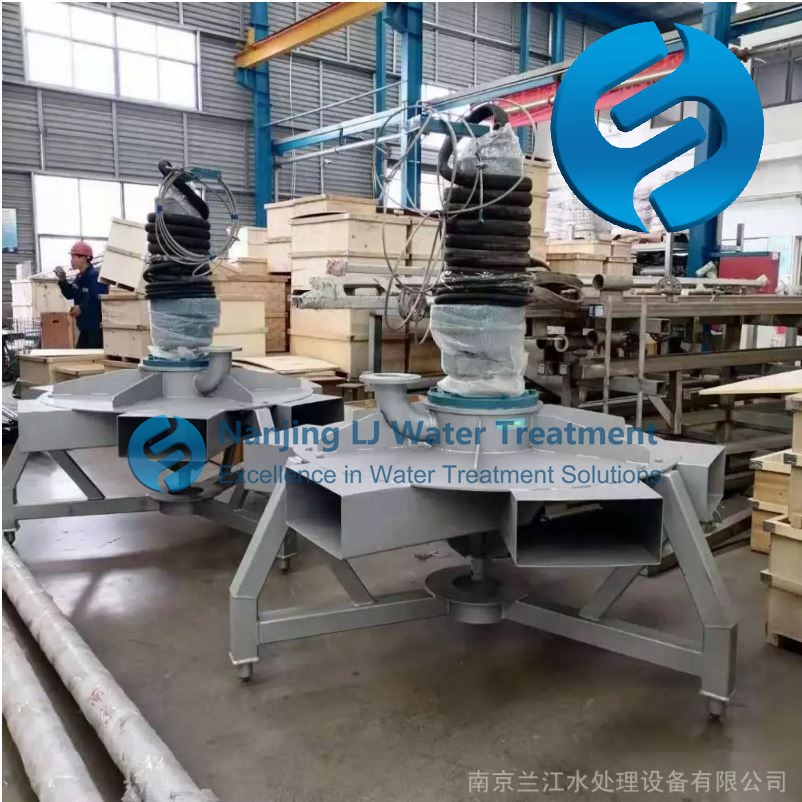
Selection Key Points for Aeration Mixers in Aquaculture Applications
Choosing the right aeration mixer for aquaculture directly impacts long-term pond performance, stocking density, and overall operational stability.Read more -
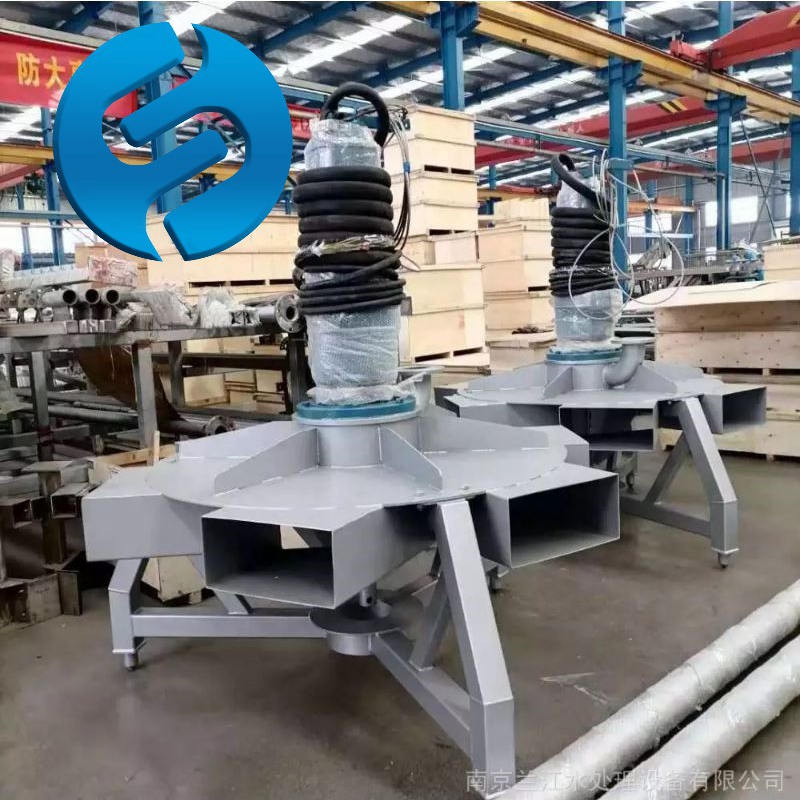
Selection criteria for aeration mixer in high corrosion-resistant conditions
The foundation of reliable corrosion resistance for aeration mixers in harsh operating environments begins with precise material matching to the specific chemical composition of the process stream.Read more -
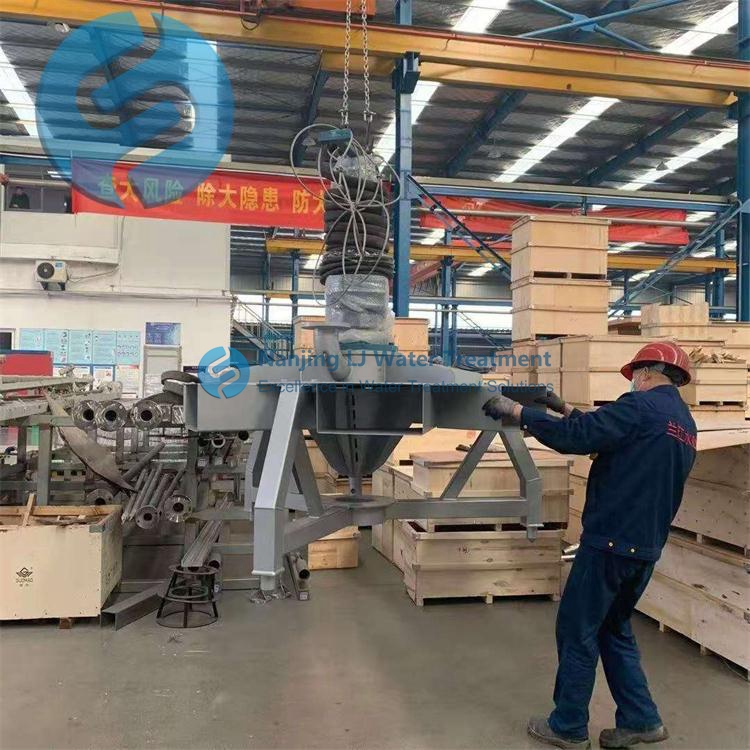
Key points for selecting low-energy consumption models of aeration mixers
Selecting an energy-efficient aeration mixer starts with matching its power profile to the actual process requirements, rather than over-sizing the unit to cover hypothetical peak loads.Read more -
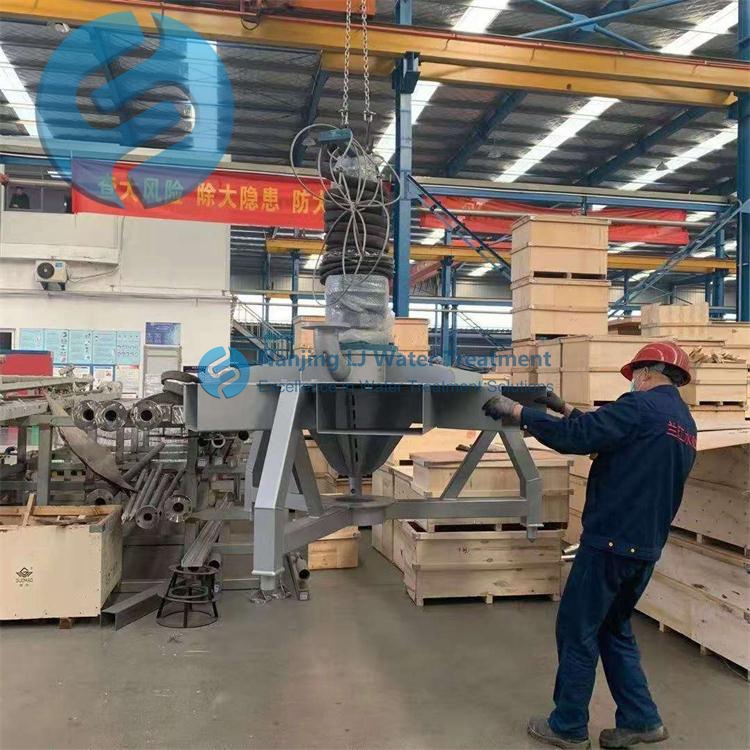
The combined operation scheme of aeration mixer and mixer pump
Combined operation of aeration mixers and flow pushers has become a widely adopted strategy in modern water treatment systems, as it addresses two core challenges that single-unit operation often fails to resolve: maintaining consistent dissolved oxygen penetration at different water depths and preventing sediment accumulation in low-flow corners.Read more -
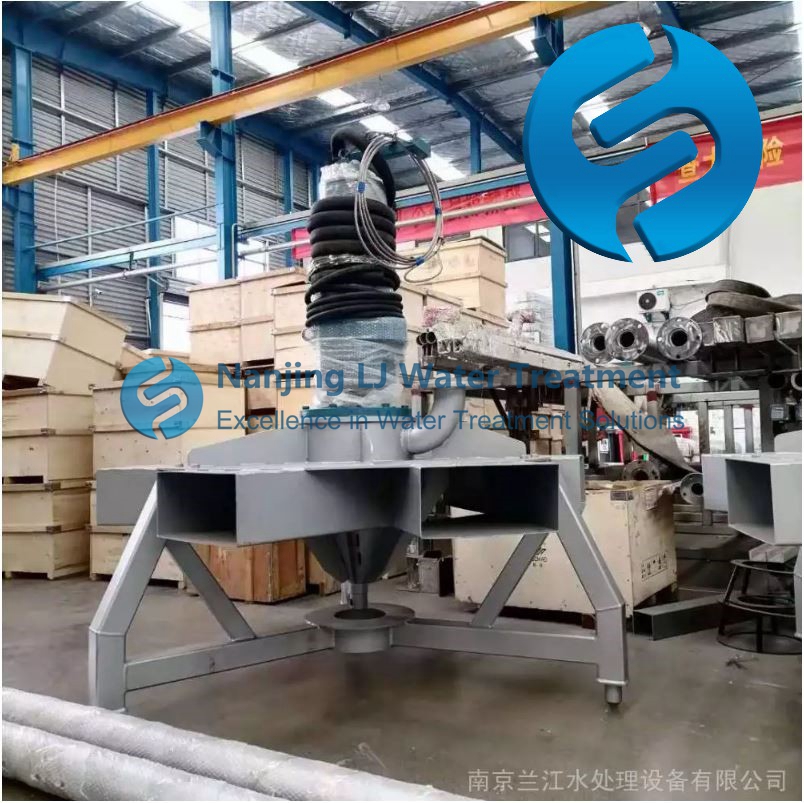
Techniques for Using Aeration Mixers in Combination with Aeration Discs
Proper coordination between aeration mixers and aeration discs directly determines the long-term performance of water treatment systems, and many operators overlook small operational details that lead to uneven oxygen distribution, unnecessary energy waste, and shortened equipment service life.Read more
