When working to boost dissolved oxygen transfer in any water treatment or aquaculture system, following clear, field-tested efficiency standards helps you avoid wasted energy and inconsistent water quality results. Many operators make incremental tweaks to their aeration setup without referencing established performance benchmarks, leading to months of unnecessary high electricity use and persistent low-oxygen dead zones that hurt biological processing. These standards are built on decades of real-world field testing across thousands of different water body types, and they provide a clear roadmap to measure, validate, and improve how effectively your system moves oxygen from air into the water column.
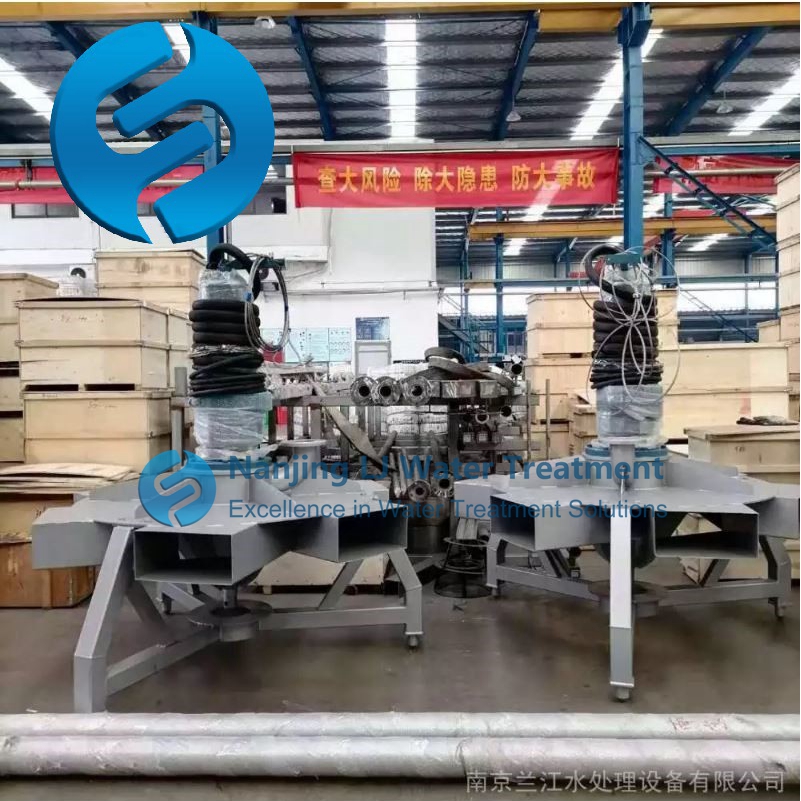
Baseline clean water testing benchmarks for standardized performance
This set of standards uses controlled, deoxygenated clean water tests to establish a neutral reference point that removes variables like organic waste, temperature swings, and background dissolved oxygen from your performance measurements. Tests follow a non-steady state procedure that tracks DO levels at regular, timed intervals as the system runs, calculating the overall oxygen mass transfer coefficient across the full water volume. These benchmarks require that test points are placed at multiple depths and locations, not just near the mixer itself, to capture a full picture of system-wide performance instead of a misleadingly high local reading. The standard also accounts for atmospheric pressure and water temperature adjustments, so you can compare results across different seasons and different geographic sites without skewed data. This baseline step is the foundation of all efficiency improvement work, because it gives you a clear, unmodified starting point to measure every future adjustment against.
Process-side efficiency validation for real operating conditions
Once you have clean water baseline data, this next set of standards shifts focus to real, in-service conditions where organic loading, sludge concentration, and water chemistry change how oxygen moves through the system. These standards require you to measure actual oxygen uptake rates from active microbial communities, instead of relying only on clean water lab numbers that never match real operational demands. Key checks here include verifying that dissolved oxygen levels stay above 2 mg/L in all aerobic zones, while avoiding over-aeration that pushes DO far higher than needed and wastes energy on unnecessary extra transfer. This standard also accounts for mixing uniformity, making sure no section of the water body gets left with DO levels too low to support healthy biological activity, even as organic load shifts after heavy rain or seasonal temperature changes. Many teams skip this validation step and end up with a system that looks efficient on paper, but fails to deliver enough usable oxygen to the parts of the process that need it most.
Continuous performance tracking and long-term improvement protocols
This final set of standards lays out regular, repeatable checks to make sure efficiency does not drift down over months and years of continuous operation. These protocols require scheduled, periodic re-testing of oxygen transfer rates, paired with records of any changes to water depth, organic load, or mixer operating parameters over time. The standard also includes clear guidance on how to adjust for gas-side oxygen depletion, a common overlooked issue where low oxygen levels in the air near the mixer reduce transfer efficiency far below the original baseline test values. Teams that follow these protocols catch small performance drops early, before they turn into full water quality failures that require emergency over-aeration and costly process corrections. This consistent tracking also lets you build a clear historical performance dataset for your specific site, so you can make targeted, data-backed adjustments instead of guessing at what changes might improve results.
Every efficiency improvement step should be measured against these clear, consistent standards to make sure you are getting real, verifiable gains instead of superficial changes that do not move the needle on actual dissolved oxygen delivery. Even small, consistent improvements tracked over time can add up to major gains in overall system performance and operational stability.
Post time:2026-07-30
