Assembly Key Points for Integrated Aeration Mixers
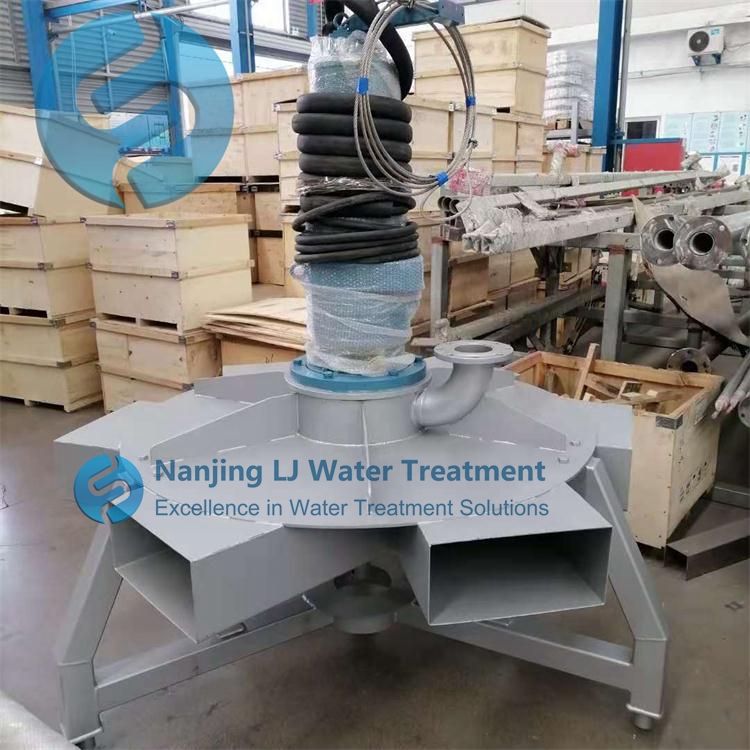
Integrated aeration mixers are widely used in wastewater treatment plants, aquaculture systems, industrial mixing tanks, and environmental engineering projects. Their compact structure combines aeration and mixing functions into a single unit, which helps simplify installation and improve operational efficiency. Proper assembly procedures are essential for maintaining stable performance, reliable oxygen transfer, and long-term equipment durability.
Preparation Before Assembly
Careful preparation helps ensure smooth assembly and stable operation after installation.
Inspection of Structural Components
Before assembly begins, all major components should be checked for damage, deformation, or surface defects. Particular attention should be given to the motor housing, impeller, shaft, and sealing areas.
Cleaning of Connection Surfaces
Dust, oil, and debris should be removed from connection points and sealing surfaces. Clean assembly conditions help improve fitting accuracy and reduce the risk of leakage.
Verification of Assembly Tools
Proper lifting devices, fastening tools, and alignment equipment should be prepared in advance to improve assembly precision and operational safety.
Motor and Transmission Assembly
The motor and transmission system are critical sections of the integrated structure.
Accurate Shaft Alignment
The motor shaft and impeller shaft must remain properly aligned during assembly. Incorrect alignment can increase vibration, bearing wear, and energy loss during operation.
Secure Bearing Installation
Bearings should be installed carefully to avoid excessive force or uneven pressure. Stable bearing positioning supports smooth rotational movement and long-term mechanical reliability.
Stable Coupling Connection
Coupling components should be tightened evenly to ensure consistent power transmission between the motor and rotating assembly.
Impeller Assembly Requirements
The impeller directly affects aeration efficiency and liquid circulation performance.
Correct Blade Orientation
Impeller blades must be installed according to the designed rotational direction. Incorrect orientation can reduce mixing efficiency and disrupt liquid flow patterns.
Balanced Rotational Structure
The impeller assembly should maintain proper balance to minimize vibration during high-speed operation. Balanced rotation improves mechanical stability and protects internal components.
Adequate Clearance Control
Sufficient spacing should be maintained between the impeller and surrounding structural surfaces to prevent friction or blockage during operation.
Mechanical Seal Installation
Mechanical seals protect the motor chamber from water intrusion.
Clean Seal Contact Surfaces
Seal faces should remain free from scratches, dirt, and contaminants during installation. Clean contact surfaces improve sealing performance and reduce leakage risk.
Proper Compression Adjustment
Seal compression should follow assembly specifications to maintain effective waterproof protection without excessive mechanical stress.
Protection Against Dry Friction
Lubrication or protective measures may be required during installation to avoid dry friction damage before the equipment enters operation.
Aeration System Assembly
The aeration structure works together with the mixing system to improve oxygen transfer efficiency.
Secure Air Intake Connections
Air channels and intake structures should be connected tightly to prevent leakage and maintain stable airflow during operation.
Stable Diffusion Component Positioning
Bubble diffusion structures must remain securely fixed to ensure consistent oxygen distribution throughout the liquid.
Unobstructed Airflow Path
Internal airflow channels should remain clear of debris or assembly obstructions that could reduce aeration efficiency.
Structural Frame and Support Assembly
Stable support structures are essential for long-term operational reliability.
Reinforced Mounting Connections
Support brackets and frame structures should be tightened evenly to maintain equipment stability during continuous operation.
Vibration Reduction Measures
Shock-absorbing components or flexible supports may help reduce vibration transfer and improve operational smoothness.
Correct Equipment Positioning
The assembled unit should remain level and properly centered to maintain balanced liquid circulation and mechanical stability.
Electrical Assembly Considerations
Electrical installation quality directly affects equipment safety and operational reliability.
Waterproof Cable Installation
Power cables should use waterproof protective systems to prevent moisture intrusion and mechanical damage.
Reliable Electrical Connections
All terminals and connection points should remain tightly secured to minimize electrical resistance and reduce operational interruptions.
Grounding Protection Arrangement
Proper grounding systems help improve electrical safety and reduce the risk of leakage current during submerged operation.
Final Inspection After Assembly
A complete inspection should be performed before the equipment enters service.
Rotational Movement Check
The impeller and shaft assembly should rotate smoothly without abnormal resistance, vibration, or contact noise.
Fastener Tightness Verification
All bolts, brackets, and connection points should be checked again to ensure structural stability.
Operational Testing Procedure
Trial operation under controlled conditions helps confirm stable aeration performance, balanced circulation, and reliable mechanical operation.
Post time:2026-05-27
