For large artificial lakes in urban parks, residential complexes and scenic areas, long-term water quality degradation caused by static water flow is a persistent challenge that traditional chemical dosing or periodic water replacement cannot solve sustainably. The application of aeration mixing systems in these water bodies adapts the core principles of industrial wastewater treatment to the unique needs of open, naturalistic aquatic environments, creating a continuous self-cleaning cycle that works silently beneath the water surface.
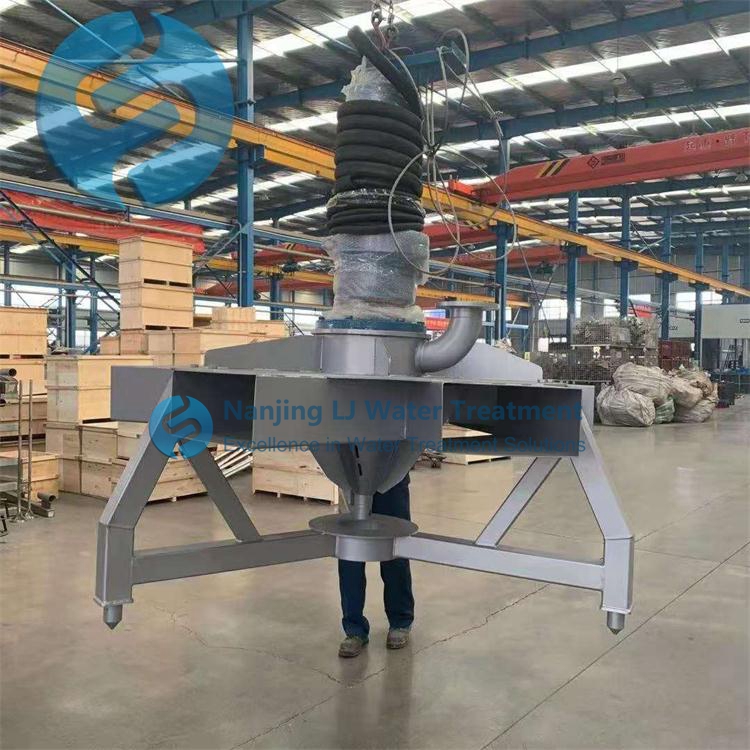
Matching Hydraulic Circulation to Lake Basin Shape and Depth Profile
The key to successful application lies in customizing the water flow pattern to match the specific underwater topography and shoreline geometry of each individual artificial lake.
For deep, narrow lakes with a bowl-shaped bottom profile, the mixing system focuses on creating a strong vertical upward flow that lifts low-oxygen water from the deep central area up to the surface, while pushing oxygen-rich surface water down along the sloping sides to form a full-depth circulation loop that leaves no stagnant water zones. For shallow, wide lakes with large surface area and uniform depth, the system generates a gentle horizontal flow that moves the entire water mass slowly along the shoreline, preventing surface algae from gathering in wind-sheltered corners and keeping fine suspended solids in motion until they settle in designated shallow water plant filter zones. This tailored flow design also takes into account the location of water inlets and outlets, making sure the circulated water passes through the entire lake volume before exiting, instead of forming short flow paths that bypass large sections of the lake and leave them untouched by the purification process.
Supporting Natural Aquatic Ecosystem Balance with Oxygen Enrichment
The dissolved oxygen introduced by the aeration component creates the foundation for a healthy, self-regulating aquatic ecosystem that can process organic pollutants without external chemical intervention.
The evenly distributed oxygen levels across all water layers activate native aerobic bacteria that naturally break down dead plant material, leftover fish food and other organic debris, converting them into harmless carbon dioxide and water instead of letting them accumulate and decompose anaerobically to release foul-smelling gases. This oxygen-rich environment also supports the growth of submerged aquatic plants that absorb excess nutrients like nitrogen and phosphorus, directly competing with algae for the resources needed to form surface blooms. Small fish and zooplankton that thrive in well-oxygenated water further contribute to the ecological balance by feeding on algae and mosquito larvae, creating a natural food chain that keeps the entire lake system stable and reduces the need for manual algae removal or insect control measures.
Preventing Sediment Accumulation and Bottom Sludge Formation
The gentle bottom water movement generated by the mixing action stops fine silt and organic particles from settling and forming thick anaerobic sludge layers on the lake bed.
Without this continuous low-velocity flow, wind-blown dust, decaying plant matter and other organic debris would sink to the bottom and build up into a black, oxygen-deprived sediment layer that releases dissolved nutrients back into the water column, fueling algae growth in a vicious cycle. The slow circulation keeps these fine particles suspended in the water long enough for them to be carried to shallow shoreline areas where emergent plants and natural filtration systems can trap and process them. This process also prevents the formation of methane and hydrogen sulfide gas bubbles that would otherwise rise from the decomposing bottom sludge, disturbing the water surface with unsightly bubbles and releasing unpleasant odors that ruin the recreational value of the lake. Over time, this natural sediment control reduces the frequency of expensive dredging operations, keeping the lake depth stable and maintaining its designed water storage capacity for years.
Post time:2026-07-06
