For landscape ponds and ornamental water bodies that sit in public parks, residential communities and urban green spaces, long-term static water flow is the root cause of most common water quality issues including algae blooms, bottom sludge accumulation and unpleasant odor release. The aeration mixing driven water circulation system creates a continuous, gentle flow pattern that breaks the natural static layering of the water body, turning stagnant water into active, living water that stays clear and healthy all year round.
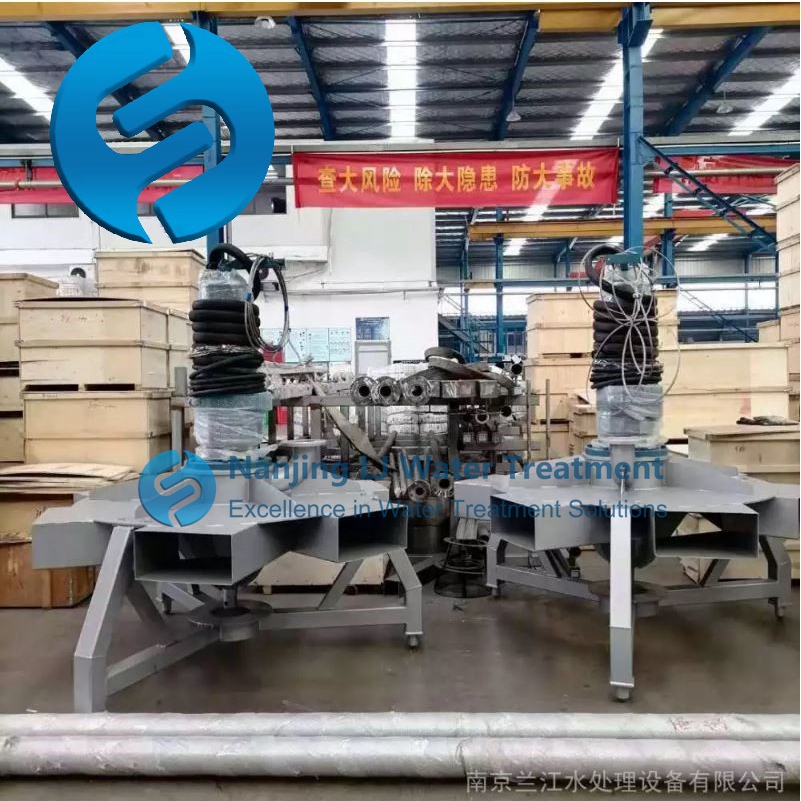
Breaking Thermal Stratification to Eliminate Stagnant Water Zones
The core function of this circulation approach is to disrupt the stable thermal layering that forms in still landscape water during long periods of warm sunny weather.
When the water stays completely static for weeks, the surface layer heated by sunlight forms a warm low-density top zone, while the deeper water below stays cold and isolated, with no way to exchange oxygen or nutrients with the upper layer. The slow upward flow generated by the mixing action pulls low-oxygen water from the deep bottom area up to the surface, pushing the oxygen-rich surface water down to fill the empty space, creating a full vertical circulation that connects every layer of the water body. This continuous exchange removes the isolated anoxic zones where anaerobic bacteria thrive, stopping the decomposition of organic matter in deep water from releasing black, foul-smelling substances that ruin the water clarity and make the landscape pond look unkempt. Even in summer when the surface water temperature rises fast, this steady circulation keeps the whole water column at a more uniform temperature, removing the perfect still environment that lets blue-green algae multiply rapidly to form dense surface blooms.
Boosting Natural Dissolved Oxygen Distribution Across All Depths
The coordinated aeration and mixing action spreads dissolved oxygen evenly through every corner of the landscape pond, creating ideal living conditions for native aquatic plants and beneficial microbial communities.
Instead of letting all the newly absorbed oxygen stay only in the top few centimeters of the water surface, the gentle circulating flow carries the oxygen-rich water down to the near-bottom area, raising the dissolved oxygen level right above the surface of the sediment layer. This higher oxygen environment activates the naturally existing aerobic microbes that live in the water and on the surface of bottom sediment, letting them break down accumulated fallen leaves, leftover fish food and other organic waste at a steady rate, without needing extra manual cleaning work. The even distribution of dissolved oxygen also prevents the growth of mosquito larvae that prefer shallow, stagnant low-oxygen water, reducing the number of flying insects around the landscape pond and making the surrounding space far more comfortable for people to visit and relax.
Creating Gentle Water Flow to Prevent Algae Aggregation
The low-speed continuous water movement generated by the circulation system disrupts the still water conditions that algae need to gather and form dense visible clusters on the water surface.
Most common types of planktonic algae rely on calm, static water to stay suspended in the sunlit top layer and multiply into large colonies, but the slow steady flow makes it impossible for them to stay in the ideal sunlit zone long enough to form thick visible blooms. This gentle flow also stops floating debris and fine suspended particles from gathering in one corner of the pond, pushing them to move slowly through the whole water body so they can be captured and processed by the natural ecological filter system built inside the landscape pond. Unlike strong, turbulent water flow that would disturb the growth of ornamental aquatic plants and scare off small native fish, this soft circulation pattern maintains a calm, natural look of the landscape water, while quietly keeping the water transparent and free of the murky green tint that ruins the visual effect of ornamental water features.
Post time:2026-07-03
