When deploying aeration mixers in deep water bodies, the ability to withstand sustained hydrostatic pressure is a non-negotiable performance requirement that directly impacts long-term operational stability and safety. Many teams overlook depth-specific pressure constraints during initial setup, assuming standard surface-rated components will hold up at greater depths, only to face unexpected leaks, performance drops, or full system failures after a few months of continuous submersion. These targeted performance requirements are built on decades of field data from deep lagoons, aquaculture raceways, and industrial treatment tanks, laying out clear, practical benchmarks that prevent avoidable downtime even under the most demanding submerged operating conditions.
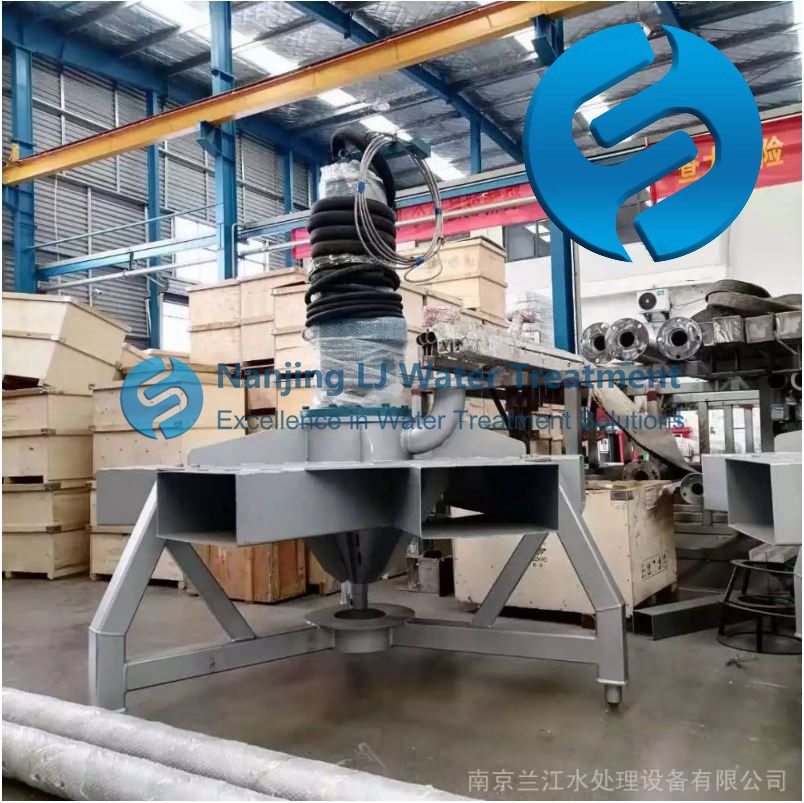
Static long-term submersion pressure rating
This core baseline requirement defines the maximum continuous hydrostatic pressure the unit can withstand 24/7, year-round, without any degradation to seals, housings, or internal flow components. The rating must account for the full maximum operating depth of the site, not just the average water level, to cover seasonal water level spikes after heavy rain or temporary overflow events that push submersion depth far above normal baseline levels. It also accounts for long-term material fatigue, ensuring that repeated cycles of pressure change from daily water level fluctuations do not create micro-cracks or seal gaps that develop into leaks over time. This requirement is calibrated to hold steady even in cold, high-altitude locations where water density is slightly higher than standard, creating extra pressure load that generic shallow-water ratings do not account for. Skipping this check often leads to sudden, unplanned system shutdowns in the middle of peak aeration demand, when operators can least afford downtime.
Dynamic pressure surge resistance for variable flow conditions
This set of requirements focuses on the sudden, short-duration pressure spikes that happen during normal system operation, rather than steady static submersion. These surges can come from rapid changes in flow direction, sudden startup under full water load, or unexpected water hammer events triggered by nearby valve adjustments in connected piping systems. The performance standard here mandates that all pressure-bearing components can absorb these sharp, temporary spikes without deforming, shifting, or losing seal integrity, even if the peak pressure briefly exceeds the static long-term rating by a significant margin. This is especially critical for deep basin systems, where the full weight of the overlying water column amplifies every small flow disturbance into a much larger pressure shock that travels all the way down to the submerged unit. Without this level of surge resistance, even minor operational adjustments can create hidden damage that builds up over weeks, eventually leading to catastrophic failure with no prior warning signs.
Pressure cycling endurance for fluctuating water level sites
For sites with regular, large shifts in water depth, this requirement lays out performance benchmarks for thousands of repeated pressure cycles, as the unit moves between shallow and deep submersion levels over months and years of operation. These cycles create constant expansion and contraction stress on seals, gaskets, and joint connections, which can cause flexible materials to lose their shape and sealing ability over time if they are not rated for this specific use case. The standard requires that components maintain full pressure integrity even after thousands of full depth cycles, with no measurable drop in performance or increase in leak risk. This is a common pain point for stormwater basins, sequencing batch reactors, and flood control ponds, where water levels can swing from almost dry to maximum depth in a matter of hours. Units that lack this cycling endurance often develop slow, hard-to-detect leaks that gradually reduce aeration efficiency, long before any obvious failure becomes visible to operators.
Even a small mismatch between site depth pressure and the unit’s actual performance rating can create cascading issues that hurt aeration efficiency and force unplanned maintenance work. Testing pressure integrity under simulated maximum depth conditions before full deployment will help you catch hidden weak points before the system goes into continuous service.
Post time:2026-07-31
