If you are managing a lake or small reservoir, you have likely noticed how summer heat can turn once clear water into a system struggling with uneven temperatures, low oxygen at the bottom, and unexpected algae blooms. These issues do not happen by accident. When warm surface water sits on top of cooler, denser bottom water for weeks on end, it creates a thermal barrier that stops natural mixing from happening. Over time, the deep layer loses access to fresh oxygen, and that is where most of the hidden water quality problems start to build up.
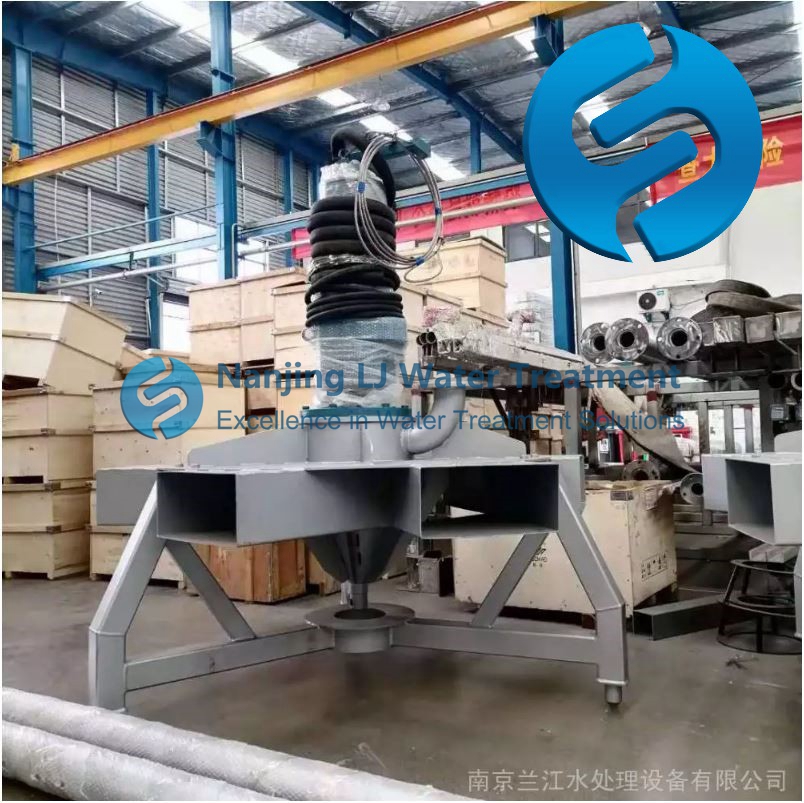
How targeted mixing works to break thermal layers
Many people assume adding air bubbles is the only way to fix low oxygen levels, but gentle, consistent mixing moves far beyond that basic step. It pulls oxygen-rich surface water down to the lake bottom, while bringing cooler, nutrient-rich bottom water back up to circulate through the full water column. This slow, steady exchange does not create harsh turbulence that disturbs sediment all at once. Instead, it evens out water temperatures across every depth, so there is no sharp barrier that traps low-oxygen water near the lake bed.
When the entire water column stays well mixed, surface water never gets the chance to become super-saturated with oxygen that feeds fast algae growth. The bottom sediment also stays exposed to consistent dissolved oxygen levels, which stops the release of stored nutrients that would otherwise fuel sudden blue-green algae outbreaks. This is not a temporary fix that washes away after a few days. It creates a stable, natural circulation pattern that the lake can sustain through the hottest parts of the summer season.
Real-world effects on lake ecosystem health
You will start to see small, noticeable changes within just a few weeks of running a steady mixing system. The sharp difference between surface and bottom water temperatures that used to show up on every depth test will fade away. Deep water that once held less than 2 milligrams per liter of dissolved oxygen will climb to levels that support healthy bottom-dwelling insects, fish, and beneficial bacteria that break down excess organic waste.
These changes also cut down on the sudden, unpleasant algae blooms that used to cover large sections of the shoreline after a week of hot, still weather. Without the trapped nutrient-rich low-oxygen layer feeding them, algae populations never get the chance to explode out of control. Local wildlife that relies on the lake for drinking water and habitat will return to areas that were once too low in oxygen to support life. Even the water clarity improves over time, as suspended fine sediment stays circulating instead of settling into thick, black sludge on the lake floor.
Practical, low-disturbance setup for long-term use
You do not need to install large, heavy underwater structures that disrupt the existing lake shore or require constant, complicated maintenance. Most effective mixing systems use floating units placed a safe distance away from swimming areas, native plant beds, and shallow shoreline zones. The units pull water from the top 1 to 2 meters of the lake, then push that flow down through a simple submerged manifold that creates a gentle draw of surrounding bottom water as it moves.
This design means you do not have to run high-pressure compressors 24 hours a day to get results. Many lake managers run their systems on a timed schedule that matches local weather patterns, turning units up during stretches of hot, calm weather and scaling back on cooler, windier days when natural wind mixing already does part of the work. There is no need for frequent chemical treatments to kill algae or bind excess nutrients, which means you never introduce foreign substances that could disrupt the native aquatic food web.
Many small community lakes, agricultural storage ponds, and urban stormwater lakes have used this approach over the past 15 years to keep their water stable through every summer season. The process works especially well for water bodies that do not have strong natural flow through them, where thermal stratification would otherwise last for months on end. Over years of consistent use, you will see the layer of soft organic sludge on the lake floor thin out slowly, as aerobic bacteria break down that waste instead of letting it build up year after year. This creates a self-reinforcing cycle of better water quality, where the lake itself becomes more resilient to heavy rain events, high summer heat, and the normal nutrient runoff that comes from surrounding agricultural or residential land.
Post time:2026-06-26
