Brewery wastewater carries a distinct profile of high biochemical oxygen demand, suspended grain solids, residual sugars, ethanol traces, and hops compounds that create unique operational challenges for aerobic biological treatment systems. Unlike more uniform municipal wastewater, it often arrives in sharp, concentrated batches tied directly to brewing production cycles, creating rapid swings in organic loading that can destabilize microbial communities if mixing and oxygen distribution are not carefully controlled. An aeration mixer forms the backbone of this treatment process, working to combine uniform oxygen dispersion, full-tank fluid circulation, and consistent biomass suspension to break down these brewery-specific pollutants efficiently, without the common process upsets that plague many under-optimized facilities.
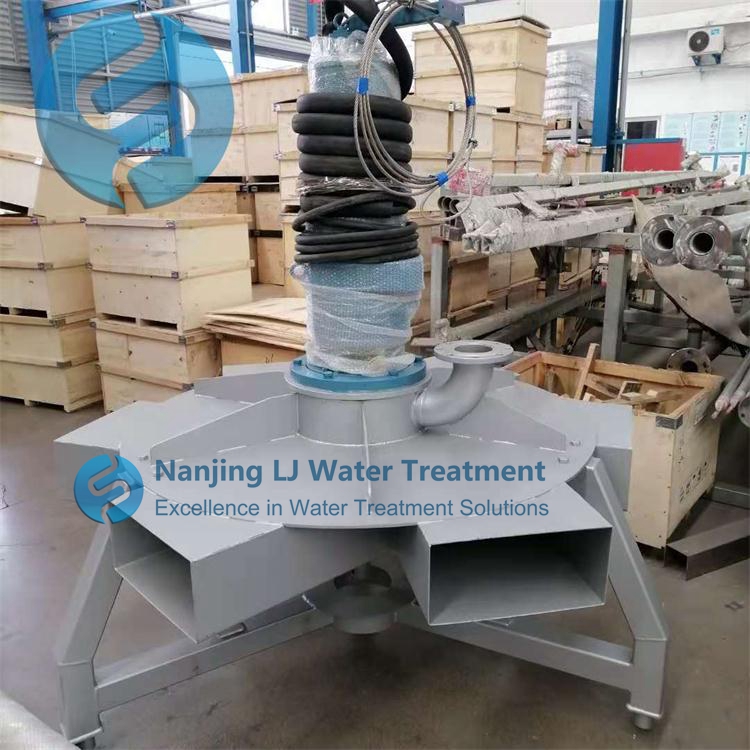
Unique Operational Challenges in Brewery Wastewater Aeration
One of the most persistent issues in brewery wastewater treatment is the heavy load of suspended malt particles, spent grain fragments, and residual yeast that tend to settle rapidly on the tank floor when mixing intensity drops even slightly. These settled organic solids quickly decompose anaerobically, releasing volatile fatty acids and creating localized low-oxygen zones that produce strong, unpleasant odors and drive down the overall pH of the aeration basin. Over time, thick sludge layers build up on the tank bottom, reducing the effective working volume of the basin and creating hidden pockets of anaerobic activity that can randomly release large, shocking loads of concentrated organic material into the main flow.
Brewery wastewater also experiences extremely variable loading patterns that follow the facility’s brewing schedule. Many craft and mid-sized breweries operate in batch production runs that dump large volumes of high-strength wastewater over a few short hours, followed by long periods of much lower organic input. This creates dramatic peaks in oxygen demand that can catch poorly designed aeration systems off guard, leading to rapid dissolved oxygen crashes that kill off large portions of the aerobic microbial population. Without consistent, responsive mixing that circulates fresh oxygen to every part of the tank during these peak events, the biological treatment process can take days to recover, leading to non-compliant effluent discharges.
Excessive foaming is another widespread, brewery-specific problem that directly undermines aeration performance. Residual sugars, proteins from malt, and degraded yeast cell walls create extremely stable, thick foam layers that can quickly cover the entire surface of the aeration tank. This foam traps air bubbles, blocks normal gas exchange at the water surface, and can overflow tank edges to create slippery, messy conditions around the basin, while also preventing oxygen from dissolving properly into the bulk water. Most standard aeration systems lack the mixing flow pattern needed to pull this foam back down into the water phase, allowing it to build up continuously until operators are forced to use manual, temporary defoaming treatments that introduce unnecessary extra chemicals into the process.
Optimizing Mixing Flow and Oxygen Distribution for Brewery Conditions
A well-tuned aeration mixer for brewery wastewater generates a continuous, multi-directional circulation pattern that eliminates dead zones across every section of the basin. This flow pulls settled grain and yeast solids off the tank floor before they can form thick anaerobic sludge layers, carries floating foam down into the bulk water to break it apart naturally, and ensures dissolved oxygen is distributed evenly to every corner of the tank. No section of the basin is left stagnant, and the active aerobic microbial biomass stays fully suspended, so it makes constant, consistent contact with the dissolved organic pollutants from the brewery process.
The fluid motion created by the mixer also extends the residence time of fine air bubbles in the water, drastically improving overall oxygen transfer efficiency. During the sharp organic load spikes that are typical in brewery operations, this high-efficiency oxygen delivery ensures there is always enough dissolved oxygen available to support the accelerated microbial activity needed to break down sugars, ethanol, and other easily degradable compounds quickly. Instead of wasting large volumes of compressed air that escapes unused to the atmosphere, the system directs almost all available oxygen directly to where it is needed most, reducing unnecessary energy consumption even during peak demand periods.
Properly balanced mixing intensity also prevents the unnecessary shear force that can damage sensitive floc structures in the activated sludge. Many brewery wastewater systems struggle with poor sludge settling in secondary clarifiers, a problem that often traces back to overly aggressive mixing that breaks large, stable flocs into tiny, fine particles that do not settle well. The aeration mixer is calibrated to deliver exactly enough flow to keep all solids suspended, without generating excessive turbulence that would tear apart the microbial communities that form healthy, settleable flocs. This creates a far more stable sludge population that performs reliably even under variable loading conditions.
Routine Monitoring and Long-Term Process Stability Practices
Even the most carefully configured aeration mixing system requires consistent, targeted monitoring to maintain peak performance through months and years of brewery operation. Track dissolved oxygen levels at multiple points across the basin, including deep near the tank floor, in the middle of the water column, and near the surface close to the foam layer. If you notice large, unexpected variations in dissolved oxygen readings between different locations, this is an early warning sign that mixing flow is weakening, partial clogging is reducing air distribution, or settled sludge is starting to accumulate in hidden dead zones.
Build a regular inspection and maintenance schedule aligned with your brewery’s production rhythm. Check aeration mixer components for accumulated yeast residue, tangled spent grain fibers, and hardened mineral deposits that can build up over time and reduce mixing efficiency. Clear soft, adherent fouling layers during planned production downtime before they harden into thick, stubborn deposits that require major, time-consuming cleaning work. Pay special attention to areas near the tank inlet, where the highest concentration of suspended brewery solids first enters the basin, as this is where clogging and buildup tend to start first.
Keep detailed, dated records of all inspection results, dissolved oxygen measurements, cleaning events, and observed changes in wastewater loading patterns. Over time, these records will help you identify recurring trends, such as which production days create the highest organic load spikes, when seasonal temperature changes alter microbial oxygen demand, and how slowly mixing performance degrades between cleaning cycles. You can then adjust mixing intensity and aeration rates proactively, instead of reacting to unexpected process upsets, and create a far more robust, reliable wastewater treatment process that keeps up with every change in brewery production activity.
Post time:2026-11-05
