Material Characteristics of Stainless Steel Aeration Mixers
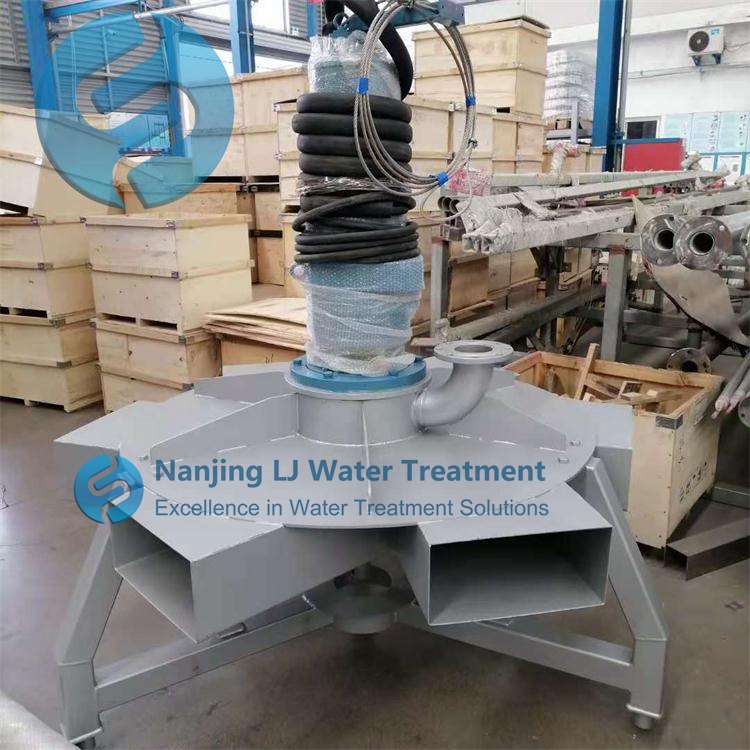
Stainless steel aeration mixers are widely used in wastewater treatment plants, aquaculture systems, chemical processing facilities, and environmental engineering projects. Their material properties make them suitable for long-term operation in humid, corrosive, and high-load environments. Understanding the characteristics of stainless steel structures helps improve equipment durability, operational reliability, and maintenance efficiency.
Corrosion Resistance Performance
One of the most important material characteristics of stainless steel aeration mixers is strong corrosion resistance.
Resistance to Moisture and Oxidation
Stainless steel surfaces form a protective oxide layer that helps prevent rust formation when exposed to water and oxygen. This protective layer supports stable operation in submerged and humid conditions.
Adaptability to Wastewater Environments
Aeration mixers often operate in liquids containing organic matter, chemicals, and dissolved impurities. Stainless steel materials can tolerate many corrosive treatment environments without rapid structural deterioration.
Reduced Surface Degradation
Compared with ordinary metal structures, stainless steel components are less likely to experience pitting, cracking, or surface peeling during long-term exposure to wastewater or outdoor conditions.
High Mechanical Strength
Aeration mixers require durable structural materials capable of withstanding continuous rotational loads.
Stable Structural Support
Stainless steel provides strong mechanical stability under high-speed operating conditions. The material maintains structural integrity even during continuous vibration and hydraulic impact.
Resistance to Deformation
Heavy-duty operating environments may create significant mechanical stress on the equipment frame and rotating components. Stainless steel materials help reduce the risk of bending or structural deformation.
Long-Term Load Capacity
The material can support prolonged operation under changing pressure conditions while maintaining stable mechanical performance.
Wear Resistance Characteristics
Continuous liquid circulation and suspended particles create abrasive operating conditions.
Protection Against Abrasive Particles
Wastewater and sludge may contain sand, sediment, and suspended solids that gradually wear mechanical surfaces. Stainless steel structures provide improved resistance against abrasive damage.
Durable Impeller Surface
Impellers manufactured from stainless steel can maintain smoother surfaces and stable hydraulic performance even after extended operation.
Reduced Mechanical Friction Damage
High-strength material surfaces help reduce wear caused by repeated rotational movement and liquid impact.
Hygienic and Environmental Properties
Stainless steel materials are widely valued for their clean surface characteristics.
Smooth Surface Finish
The smooth external surface reduces the accumulation of biological deposits, sludge, and contaminants. Cleaner surfaces also simplify routine maintenance procedures.
Resistance to Biological Growth
Stainless steel is less likely to support excessive microbial attachment compared with rough or corroded metal surfaces.
Environmentally Stable Material
The material maintains stable chemical properties during long-term exposure to water treatment environments, reducing the risk of contamination caused by material degradation.
Temperature and Weather Resistance
Outdoor and industrial operating conditions may expose aeration mixers to temperature fluctuations.
Stability Under Temperature Variation
Stainless steel maintains consistent structural performance across a wide range of operating temperatures. This helps ensure reliable operation in both hot and cold environments.
Outdoor Weather Durability
Rain, sunlight, humidity, and seasonal climate changes can affect equipment lifespan. Stainless steel structures provide strong resistance against weather-related deterioration.
Resistance to Thermal Stress
Frequent temperature changes may cause expansion and contraction in mechanical systems. Stainless steel materials help maintain dimensional stability during these variations.
Maintenance Advantages of Stainless Steel Structures
The material characteristics also contribute to easier maintenance management.
Simplified Cleaning Procedures
Smooth corrosion-resistant surfaces allow easier removal of sludge, algae, and sediment deposits during routine maintenance.
Lower Risk of Structural Failure
Because the material resists rust and cracking, maintenance intervals may remain more stable during long-term operation.
Improved Seal Compatibility
Stainless steel surfaces provide reliable contact conditions for sealing components, helping improve waterproof performance and reduce leakage risk.
Structural Adaptability in Different Applications
Stainless steel aeration mixers can adapt to a wide range of operating environments.
Suitable for Submerged Operation
The material performs well in underwater installations where continuous exposure to moisture is unavoidable.
Compatibility With Industrial Liquids
Many industrial treatment systems involve chemically active liquids that require durable corrosion-resistant structural materials.
Flexible Manufacturing Capability
Stainless steel can be formed into various structural shapes, allowing manufacturers to optimize impeller geometry, housing design, and support structures for different operational requirements.
Post time:2026-05-22
