Layout Techniques for Vertical Aeration Mixers
Vertical aeration mixers are widely used in wastewater treatment plants, oxidation tanks, industrial mixing systems, and aquaculture facilities. Proper equipment layout is essential for achieving efficient oxygen transfer, stable liquid circulation, and balanced biological treatment conditions. A carefully planned arrangement can also reduce energy loss, minimize dead zones, and improve long-term operational stability.
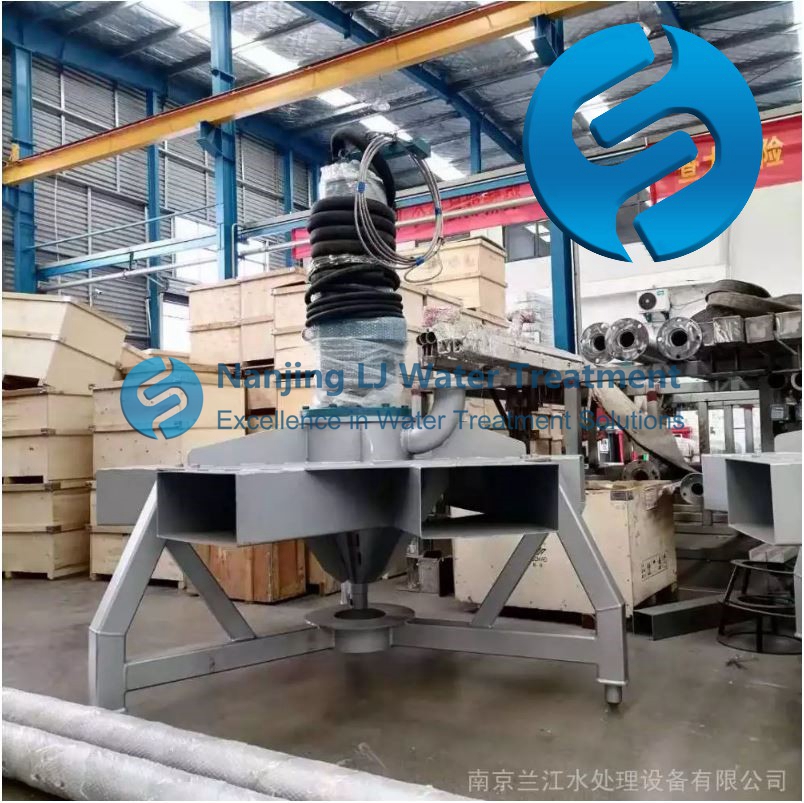
Importance of Proper Equipment Layout
The placement of vertical aeration mixers directly influences treatment performance and circulation efficiency.
Improving Oxygen Distribution
Correct positioning helps oxygen spread evenly throughout the treatment tank. Uniform dissolved oxygen levels support stable biological activity and reduce localized low-oxygen areas.
Enhancing Liquid Circulation
Well-designed layout arrangements create continuous water movement across the entire tank. Effective circulation helps prevent sediment accumulation and stagnant flow regions.
Reducing Operational Interference
Proper spacing between multiple mixers minimizes hydraulic interference. Balanced flow patterns improve overall system efficiency and reduce unnecessary turbulence.
Tank Shape and Layout Planning
Tank dimensions and structural characteristics should always be considered before installation.
Circular Tank Arrangement
In circular tanks, vertical aeration mixers are often positioned near the center to create radial circulation patterns. This layout supports balanced oxygen diffusion throughout the tank volume.
Rectangular Tank Distribution
For rectangular basins, mixers are usually installed at intervals along the tank length. Proper spacing improves horizontal circulation and helps maintain uniform treatment conditions.
Deep Tank Positioning
In deeper tanks, installation depth becomes especially important. Vertical positioning should support oxygen transfer across both upper and lower liquid layers.
Spacing Techniques Between Multiple Mixers
The distance between units affects flow stability and aeration performance.
Avoiding Overlapping Flow Zones
If mixers are installed too close together, competing circulation currents may reduce mixing efficiency. Sufficient spacing helps maintain smoother water movement.
Maintaining Continuous Circulation
Properly distributed units create connected circulation paths throughout the treatment area. This helps eliminate dead zones and improves oxygen consistency.
Balancing Hydraulic Load
Uniform layout distribution prevents excessive flow concentration in one section of the tank while leaving other areas under-aerated.
Installation Depth Optimization
Correct immersion depth plays a major role in operational effectiveness.
Suitable Impeller Submersion
The impeller should remain fully submerged to maintain stable water movement and prevent air intake instability during operation.
Clearance From Tank Bottom
Adequate distance between the mixer and the bottom surface reduces sediment disturbance while preventing blockage caused by sludge accumulation.
Surface Turbulence Control
Excessively shallow installation may create unnecessary splashing and unstable flow conditions. Balanced depth helps maintain controlled aeration performance.
Flow Direction Control Techniques
Flow orientation affects oxygen transfer and mixing consistency.
Coordinated Flow Alignment
Multiple mixers should be arranged to support complementary circulation patterns rather than opposing flow directions.
Elimination of Stagnant Areas
Strategic positioning helps maintain liquid movement in corners and difficult-to-reach sections of the tank.
Controlled Turbulence Distribution
Moderate turbulence improves oxygen dispersion, but excessive turbulence may reduce operational stability. Proper flow direction helps maintain balanced circulation.
Structural Support and Stability Layout
Mechanical stability is essential for long-term operation.
Stable Mounting Structures
Support frames and fixing systems should maintain vertical alignment during continuous operation. Secure installation reduces vibration and mechanical stress.
Vibration Reduction Arrangement
Spacing and structural reinforcement help minimize vibration transfer between multiple operating units.
Accessible Maintenance Positioning
The layout should allow sufficient space for inspection, lifting, and maintenance activities without interrupting nearby equipment operation.
Electrical and Safety Layout Considerations
Electrical installation planning is also important during equipment arrangement.
Protected Cable Routing
Power cables should be routed away from high-flow areas and protected against moisture exposure or mechanical damage.
Safe Access Pathways
Maintenance personnel should have clear and safe access routes to all installed mixers for inspection and servicing procedures.
Reliable Grounding Distribution
Proper grounding arrangements improve operational safety and help reduce electrical risks in humid treatment environments.
Environmental and Operational Adaptation
Different operating environments require flexible layout strategies.
Adapting to Variable Water Levels
In systems with changing liquid levels, mixer placement should maintain effective aeration performance under fluctuating conditions.
Handling High Solid Concentrations
Tanks containing sludge or suspended solids may require modified spacing and positioning to maintain stable circulation.
Supporting Long-Term Continuous Operation
A well-planned layout helps reduce equipment overload, improve energy efficiency, and maintain stable treatment performance over extended operating periods.
Post time:2026-05-21
