Operating Principle of Horizontal Aeration Mixers
Horizontal aeration mixers are widely used in wastewater treatment systems, oxidation ditches, industrial reaction tanks, and aquaculture environments. Their primary function is to combine liquid mixing with oxygen transfer in a continuous operating process. By generating horizontal water circulation and dispersing air into the liquid, these systems help improve dissolved oxygen levels and maintain stable flow conditions throughout the treatment area.
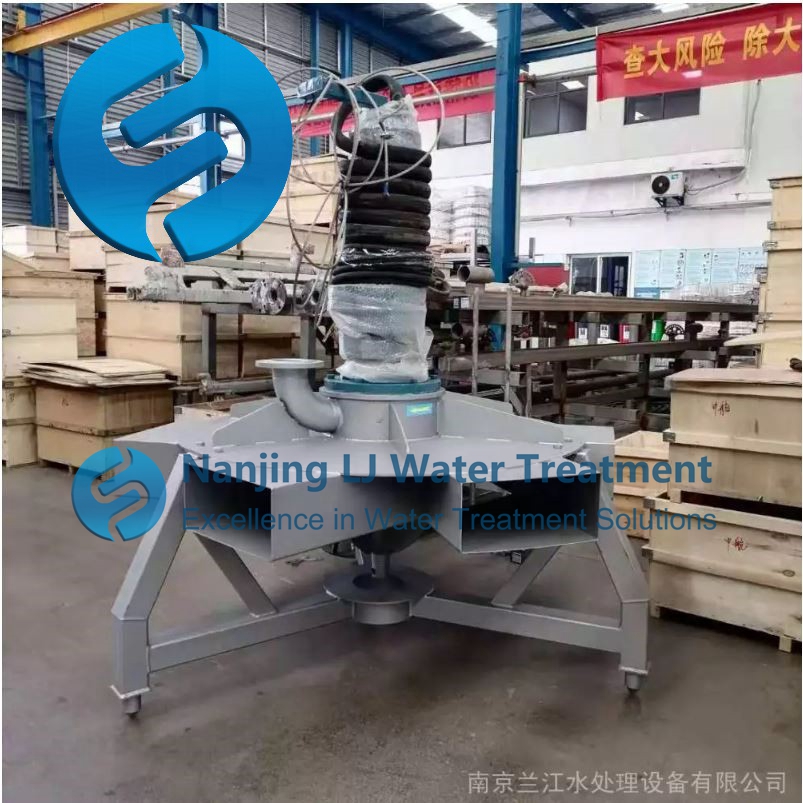
Basic Operating Mechanism
The working principle of a horizontal aeration mixer is based on coordinated rotation, liquid movement, and air diffusion.
Motor-Driven Rotational Movement
The motor supplies rotational power to the shaft and impeller assembly. As the impeller rotates at high speed, it creates strong horizontal water flow inside the tank or channel.
Generation of Liquid Circulation
The rotating impeller pushes water forward in a continuous horizontal direction. This movement creates circulation patterns that help distribute oxygen evenly and prevent stagnant zones.
Simultaneous Aeration Process
During operation, air is introduced into the flowing liquid through intake channels or aeration structures. The interaction between air and moving water increases oxygen transfer efficiency.
Impeller Mixing Principle
The impeller is one of the most important components in the operating process.
High-Speed Water Propulsion
The impeller blades generate strong thrust that moves water across the treatment area. Horizontal propulsion improves mixing depth and circulation coverage.
Formation of Turbulent Flow
As water moves around the rotating blades, turbulence is created within the liquid. Turbulent flow improves oxygen dispersion and enhances contact between air and water.
Prevention of Sediment Accumulation
Continuous liquid movement helps keep suspended solids in motion, reducing the risk of sludge deposition at the bottom of tanks or channels.
Aeration Principle
The aeration process improves dissolved oxygen concentration within the liquid.
Air Intake Through Negative Pressure
In many horizontal aeration mixers, impeller rotation creates negative pressure that draws external air into the liquid stream.
Bubble Formation and Dispersion
The incoming air is broken into smaller bubbles by the rotating flow field. Smaller bubbles provide a larger contact surface area for oxygen exchange.
Oxygen Transfer Into Water
As bubbles move through the liquid, oxygen dissolves into the surrounding water. Continuous mixing improves oxygen distribution throughout the treatment system.
Horizontal Flow Characteristics
Horizontal aeration mixers are specifically designed to generate directional circulation.
Long-Distance Water Movement
The horizontal arrangement allows water to travel across larger sections of the treatment basin, improving overall circulation efficiency.
Uniform Oxygen Distribution
Continuous horizontal flow helps distribute dissolved oxygen more evenly, reducing low-oxygen regions inside the system.
Improved Biological Activity
Stable oxygen circulation supports biological treatment processes by maintaining suitable conditions for aerobic microorganisms.
Structural Coordination During Operation
Several structural systems work together during continuous operation.
Shaft Transmission System
The shaft transfers rotational energy from the motor to the impeller. Stable shaft alignment helps reduce vibration and maintain efficient power transmission.
Bearing Support Mechanism
Bearings support high-speed rotation and help maintain smooth mechanical movement during extended operation.
Sealing Protection Structure
Mechanical seals prevent water intrusion into the motor chamber and protect internal components from moisture-related damage.
Energy and Hydraulic Operating Features
The hydraulic design directly affects operational efficiency.
Optimized Water Flow Path
The internal flow structure is designed to reduce unnecessary hydraulic resistance and improve circulation performance.
Efficient Air-Water Mixing
The combination of high-speed flow and controlled aeration helps maximize oxygen transfer while maintaining stable energy usage.
Reduced Dead Zones
Continuous horizontal circulation minimizes areas with poor liquid movement, helping improve treatment consistency.
Continuous Operating Conditions
Stable operating conditions are essential for maintaining long-term performance.
Suitable Immersion Depth
Proper installation depth helps maintain efficient aeration and stable liquid circulation during operation.
Stable Electrical Supply
Consistent power supply helps maintain uniform rotational speed and prevents operational interruptions.
Routine Maintenance Requirements
Regular inspection of impellers, bearings, seals, and electrical connections helps maintain efficient operating conditions and prolong equipment lifespan.
Post time:2026-05-21
