Selecting and pairing aeration mixers for biological treatment processes directly shapes how consistently dissolved oxygen levels are maintained, how evenly suspended solids stay distributed, and how smoothly microbial communities break down organic matter across different tank geometries and load conditions. Many operational teams overlook the fine balance between mixing intensity and aeration output, which often leads to unexpected sediment buildup, unstable nutrient removal performance, and unnecessary spikes in long-term energy consumption.
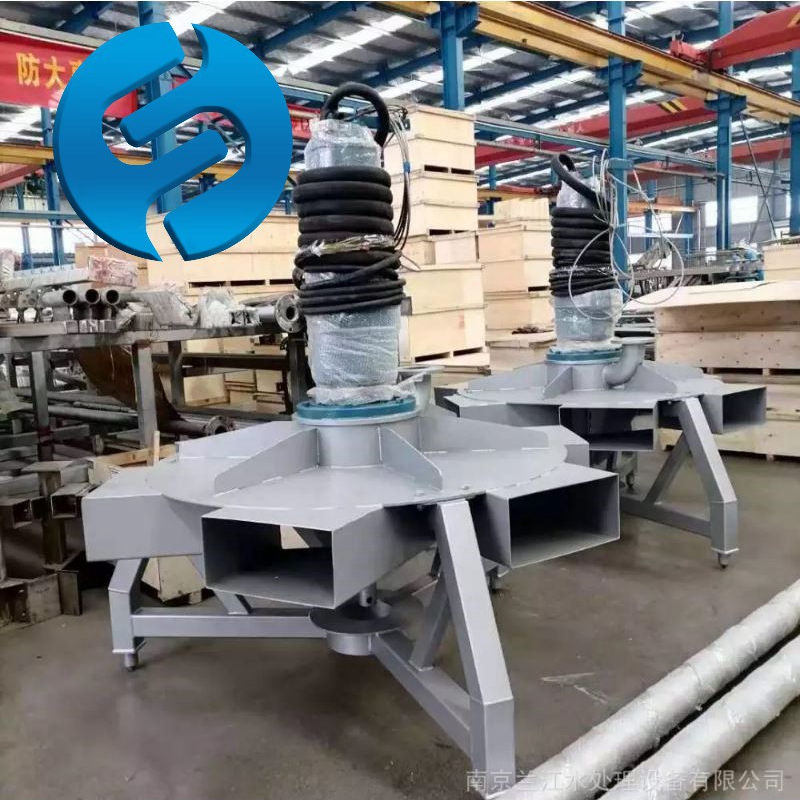
Core process parameters that define matching requirements
The first step in proper pairing is mapping out the exact biological process configuration and its corresponding hydraulic and organic loading constraints. Systems operating for carbon oxidation will prioritize steady bulk mixing to keep activated sludge in suspension, while those designed for simultaneous nitrification and denitrification require segmented zones with carefully tuned velocity gradients and targeted oxygen setpoints. Even small shifts in inlet flow volume or seasonal temperature changes can alter the required mixing coverage, so the selected layout must account for both peak and minimum operating conditions instead of only matching nominal design values.
Depth and flow pattern alignment in different tank geometries
Tank dimensions and internal baffle arrangements play a critical role in preventing dead zones where settled solids accumulate and biochemical reactions slow down. Shallow, wide basins benefit from distributed mixing points that push flow horizontally across the entire floor, while deeper, narrower tanks rely on combined vertical lift and aeration shear to circulate water from bottom to surface without creating disruptive vortexes. Each installation position must be calculated to avoid flow shadow areas behind structural supports, ensuring that every section of the tank receives consistent fluid movement and uniform gas dispersion.
Dissolved oxygen gradient management for multi-stage biological zones
Different functional zones within a single biological treatment train require distinct aeration and mixing tuning rules to match their microbial activity needs. Aerobic zones need enough gas transfer and gentle mixing to keep dissolved oxygen stable within the optimal range for nitrifying bacteria, while anoxic and anaerobic sections require controlled low-shear agitation that prevents sedimentation without introducing excess oxygen that interferes with denitrification or phosphorus release. Proper pairing ensures that mixing power and aeration output can be adjusted independently for each zone, allowing operators to respond flexibly to variable inlet water quality without compromising overall treatment stability.
Post time:2026-09-18
