When installing aeration mixers in permanent or semi-permanent submerged applications, selecting the correct waterproofing standard is a fundamental safety and reliability requirement that determines long-term operational viability. Many operators focus on hydraulic performance specifications while overlooking ingress protection ratings, leading to premature electrical failures, bearing corrosion, and unexpected downtime when water penetrates sensitive internal components. These standardized ratings provide a clear, internationally recognized framework for matching equipment protection levels to actual operating environments, from occasional splash exposure to continuous deep submersion.
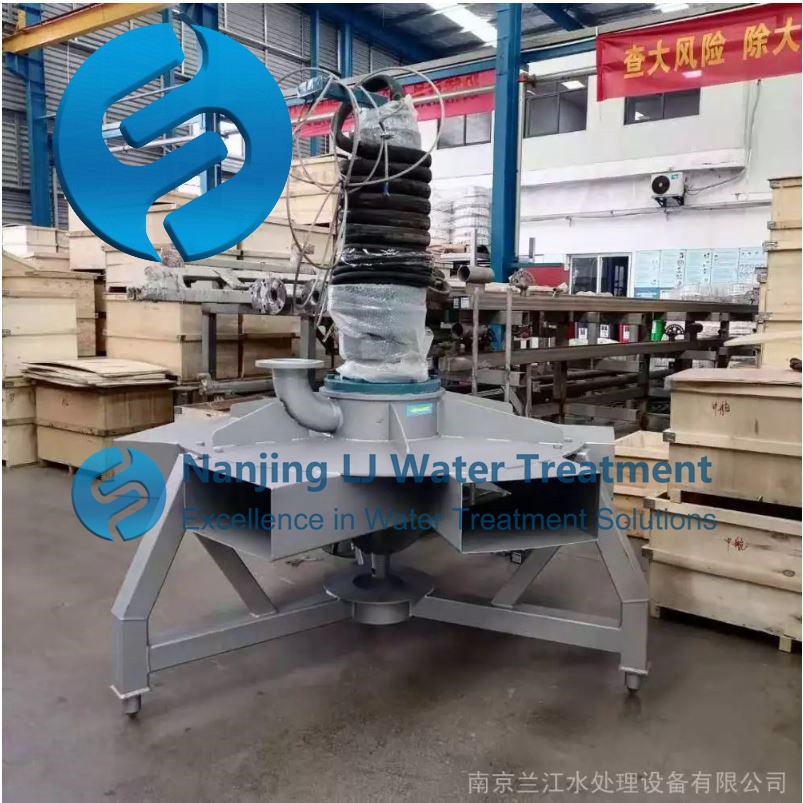
Ingress protection coding for electrical compartment security
This classification system uses a two-digit code to define protection levels against solid particle ingress and liquid water intrusion. The first digit indicates protection from dust and other solid objects, with higher numbers representing tighter sealing against fine particulates. The second digit specifically addresses water protection, ranging from basic drip resistance to protection against powerful water jets and continuous immersion. For most submerged aeration applications, the minimum acceptable rating for electrical components starts at a level that prevents harmful water ingress during temporary, limited-depth submersion. Systems installed in areas with high wave action, strong currents, or frequent storm-driven splashing require even higher ratings to handle the dynamic hydraulic forces that can push water past standard seals. This rating must be verified through independent testing, not just manufacturer claims, to ensure long-term reliability in real-world conditions.
Continuous immersion durability for permanent underwater operation
For mixers designed to operate fully submerged for extended periods, this performance standard goes beyond basic ingress protection to address long-term material compatibility and seal integrity under constant hydrostatic pressure. The specification requires that all external seals, gaskets, and housing interfaces maintain a complete water barrier even after months or years of continuous immersion, with no measurable leakage into internal compartments. This includes resistance to microscopic seepage that might not cause immediate failure but can lead to internal corrosion and insulation breakdown over time. The standard also accounts for the effects of water temperature cycles, chemical exposure, and biological growth on seal materials, ensuring that performance does not degrade as environmental conditions change. Systems meeting this standard undergo prolonged pressure testing at depths greater than their maximum rated operating depth, verifying that no water penetration occurs even under extreme conditions.
Dynamic seal performance under operational vibration and movement
Aeration mixers in operation generate constant vibration from impeller rotation and motor forces, and many installations also experience some degree of movement from mooring lines, floating platforms, or shifting bottom sediments. This standard evaluates how well the waterproofing system maintains integrity under these dynamic conditions, rather than just static immersion. The testing protocol includes cyclic pressure variations that simulate wave action, vibration frequencies that match normal operating ranges, and movement patterns that stress cable entry points and housing joints. Seals that perform well under static conditions can sometimes fail quickly when subjected to these real-world dynamic stresses, allowing water ingress through fatigue cracks or loosened fittings. Compliance with this standard indicates that the waterproofing design has been validated under conditions that closely match actual field operation, not just ideal lab environments.
Even a mixer with excellent hydraulic performance will eventually fail if its waterproofing standards do not match the specific demands of its installation environment. Verifying ingress protection ratings through independent testing data, rather than relying on general marketing claims, provides the confidence needed for long-term, trouble-free operation in demanding water treatment applications.
Post time:2026-08-06
