When installing aeration equipment in noise-sensitive environments near residential areas, hospitals, or outdoor recreational spaces, low-noise operational characteristics become a critical selection factor alongside traditional performance metrics. Many standard aeration systems generate significant audible and structural vibration noise that can lead to community complaints, regulatory violations, and operator fatigue, even when treatment performance remains excellent. Advanced quiet-running designs address these issues through integrated engineering solutions that reduce noise at its source rather than attempting to contain it after generation, creating systems that operate effectively without becoming a nuisance to surrounding areas.
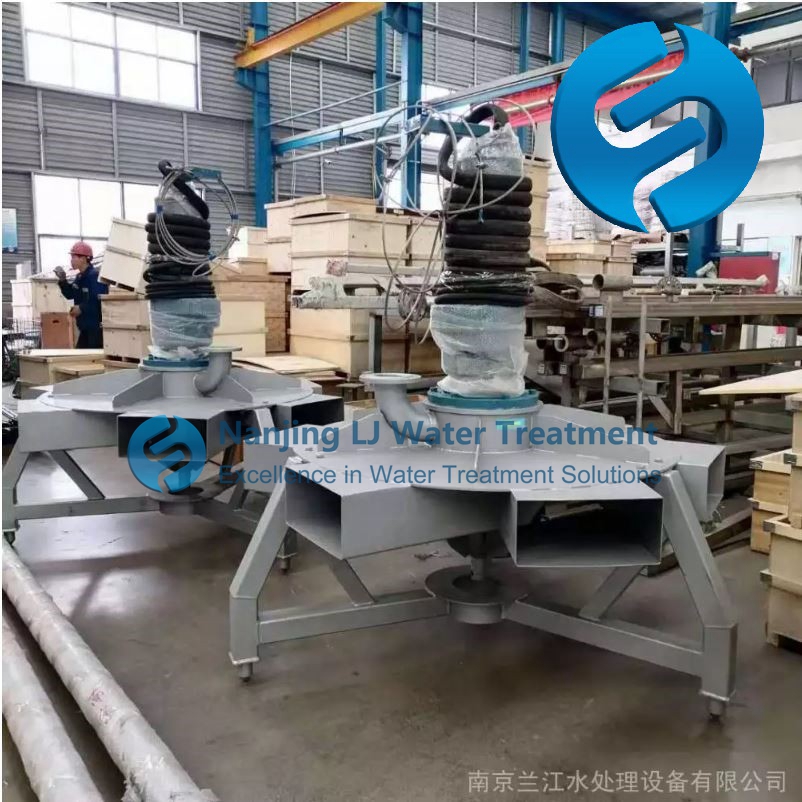
Vibration isolation and structural damping design
The most significant source of operational noise in many aeration systems comes not from airborne sound, but from structure-borne vibration transmitted through mounting hardware into surrounding walls, floors, and water containment structures. This performance characteristic focuses on isolating the vibration source through flexible couplings, dampened mounting points, and balanced rotating assemblies that minimize the forces transferred to support structures. Effective designs use tuned mass dampers or viscoelastic materials that absorb specific vibration frequencies before they can travel into building elements, preventing the low-frequency humming that is particularly difficult to block with conventional sound barriers. This approach is especially important in retrofits or upgrades where existing structures may amplify certain frequencies, turning a minor vibration into a major noise issue that affects adjacent spaces.
Hydrodynamic flow smoothing for reduced turbulence noise
As water moves rapidly across impeller blades and through discharge ports, it creates turbulence that generates both underwater and airborne noise through surface agitation and pressure fluctuations. Quiet-running systems optimize flow paths to minimize sudden directional changes and velocity spikes, creating smoother water movement that produces less audible disturbance. This involves computational fluid dynamics modeling to identify and eliminate flow separation points, edge tones, and cavitation inception zones that act as underwater noise amplifiers. The result is a system that moves the same volume of water with significantly less hydrodynamic noise, particularly in the higher frequency ranges that are most noticeable to human hearing and most difficult to mitigate with conventional methods.
Enclosed component and low-noise motor integration
Traditional open-frame motor designs and exposed gear mechanisms generate significant electromagnetic and mechanical noise that radiates directly into the surrounding environment. Advanced quiet systems enclose these components in sound-dampened housings with acoustic insulation that absorbs noise before it can escape, while maintaining adequate cooling through carefully designed ventilation paths that don’t create whistle effects. Motor selection also plays a crucial role, with permanent magnet and slow-speed direct-drive options producing less audible and vibration noise than standard induction motors running at higher speeds through gear reducers. These integrated approaches allow the system to meet strict noise regulations without requiring expensive external sound enclosures that complicate maintenance access and reduce cooling efficiency.
Even in industrial settings where noise regulations may be less strict, reducing operational sound levels can improve workplace communication, reduce operator fatigue, and minimize the masking of important mechanical sounds that indicate developing maintenance issues. Testing under real installation conditions with proper sound measurement equipment will reveal both airborne and structure-borne noise contributions that might not be apparent in manufacturer specifications or controlled test environments.
Post time:2026-08-06
