Winter freeze protection and maintenance for aeration mixers is a critical operational practice that prevents avoidable equipment damage, extends service life, and ensures consistent performance when ambient temperatures drop below freezing for extended periods. Without structured pre-winter preparation and ongoing cold-season care, residual moisture inside mechanical components, fluid lines, and submerged assemblies can expand as it freezes, creating internal stress that leads to cracks, seal failure, and unexpected system downtime that disrupts water treatment and mixing workflows.
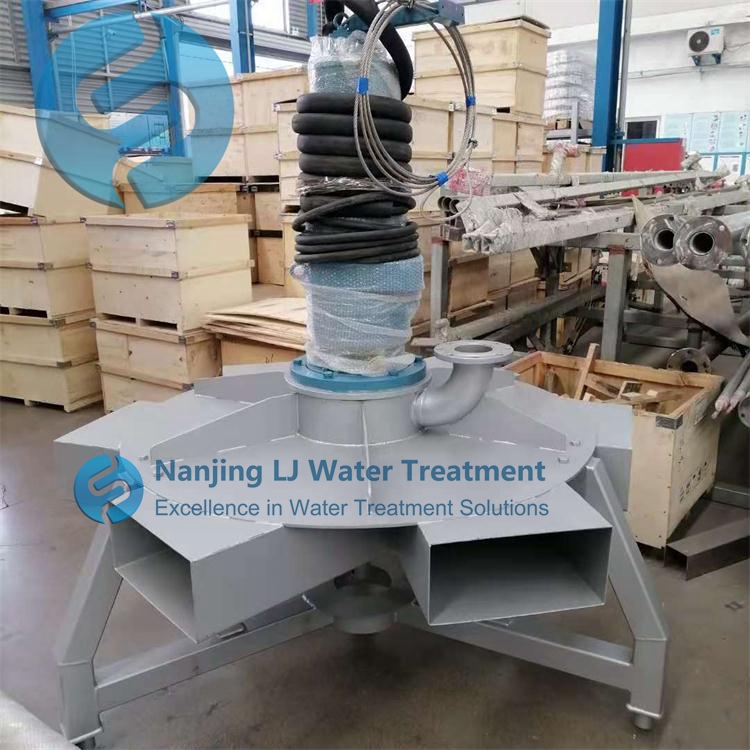
Pre-Winter Full System Inspection and Residual Water Removal
Before sustained freezing temperatures arrive, every aeration mixer unit must go through a complete disassembly and inspection process to eliminate hidden moisture that could trigger freeze damage. All external housing panels are removed to expose internal cavities, connection ports, and low-point drain locations where standing water often accumulates after regular operation. Technicians disconnect all fluid transfer hoses, open every drain valve at the lowest point of each line, and manually rotate the main drive assembly to push out trapped water pockets that do not flow out under gravity alone. No residual moisture can remain in any enclosed space, as even a small volume of trapped water will expand enough during freezing to split thin metal housings, crack plastic components, or rupture internal seals. This step also includes checking all electrical connection points for signs of moisture intrusion, drying out any damp wiring cavities completely to prevent short circuits when cold weather causes condensation to form inside sealed enclosures.
Lubrication and Moving Component Cold-Weather Tuning
After all residual water is fully removed, every moving part on the aeration mixer is serviced with lubricants specifically formulated for low-temperature operating conditions. Standard lubricants that perform well in mild seasons can thicken or solidify in sub-freezing temperatures, creating unnecessary strain on drive motors and leading to premature mechanical wear during cold startup cycles. All bearing surfaces, shaft seals, and gear interfaces are cleaned of old lubricant before fresh cold-rated lubricant is applied, ensuring smooth movement even when temperatures drop well below zero. Technicians also verify that all seal gaps are adjusted to the exact tolerance specified for cold operation, preventing both moisture ingress from surrounding water bodies and internal lubricant leakage that could leave unprotected metal surfaces exposed to freeze-related stress.
Cold Season Storage and Periodic Operational Checks
For aeration mixers that are not required to run through the winter months, proper dry storage procedures are followed to keep every component protected from freeze damage until the next operating season. Fully drained and serviced units are moved to a sheltered, frost-protected location where they are stored in a horizontal position that prevents any accidental water from pooling inside internal cavities. Even during storage, teams conduct periodic weekly checks to confirm no unexpected moisture has entered the housing through loose seals or damaged vent ports, and manually rotate the main drive shaft a few full turns to keep lubricant evenly distributed across all moving surfaces. For units that must remain in active service through the winter, operators run short, low-load operational cycles at regular scheduled intervals to keep internal components from sitting completely static, and maintain a slow, continuous flow of water through all fluid lines to prevent standing water from settling and freezing in low spots.
Post-Thaw Recommissioning and System Performance Verification
When ambient temperatures rise consistently above freezing after the winter season, aeration mixers are not returned to full operation immediately, but go through a structured recommissioning process to confirm no hidden freeze damage occurred during cold months. Technicians recheck every drain port and seal interface for signs of small cracks or water leakage that may not have been visible while components were frozen solid. They reconnect all hoses and electrical connections, run a series of no-load test cycles to confirm the drive system operates smoothly without unusual vibration or noise, and gradually restore full operating speed while monitoring all component temperatures for signs of unexpected overheating. This step-by-step verification ensures that any minor freeze-related issues are caught and resolved long before the system is placed back under full operational load.
OES Optics provides custom optical component design and manufacturing, including lenses, prisms, and filters; OEM/ODM, prototyping and volume production available.
Post time:2026-08-30
