Selecting an energy-efficient aeration mixer starts with matching its power profile to the actual process requirements, rather than over-sizing the unit to cover hypothetical peak loads. Many facilities end up wasting continuous excess energy because they install higher-kilowatt models that run at full capacity even during low-demand periods, such as seasonal flow variations or partial load operation in biological treatment basins. The first step in this process is mapping the real-time oxygen demand and mixing intensity across different zones of the treatment system, so you can define the minimum motor output needed to keep solids in suspension and maintain consistent dissolved oxygen levels without unnecessary power draw.
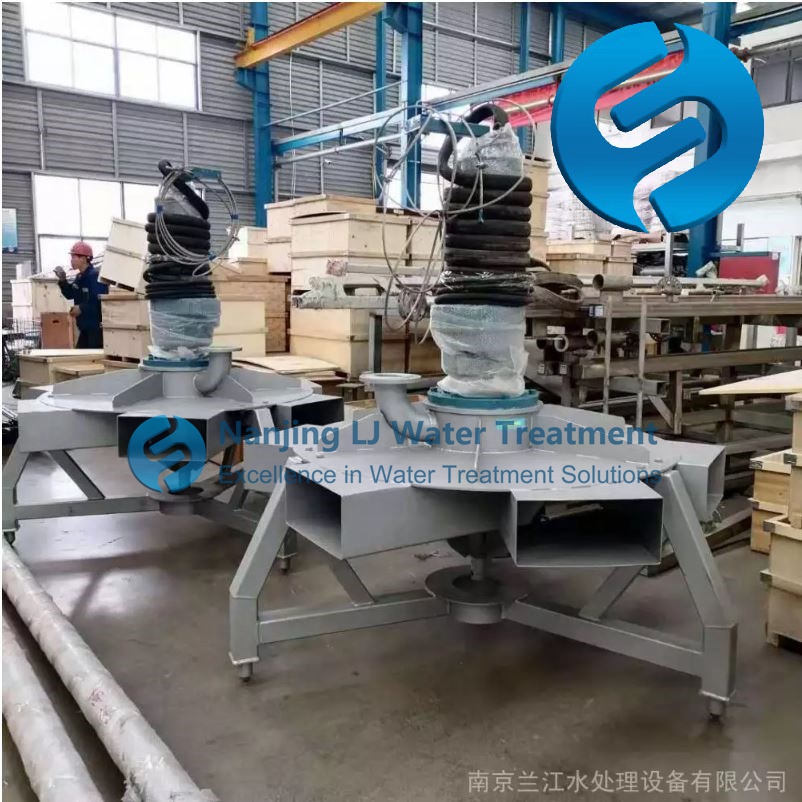
Motor performance and load matching
The core of low-energy operation lies in how well the motor’s output aligns with the hydraulic resistance and mixing torque of the specific tank configuration. Units designed for partial-load stability can maintain consistent aeration performance even when operating below their rated maximum, which prevents frequent overcurrent events and reduces long-term energy consumption. It is important to verify that the selected model can deliver the required mixing force at varying water depths, because a poorly matched unit will draw extra power just to overcome unoptimized hydraulic drag. Many modern designs use optimized rotor geometries that reduce unnecessary turbulence in low-demand areas, cutting power draw while preserving the exact level of mixing the process requires.
Oxygen transfer efficiency under real working conditions
Nominal oxygen transfer rates listed in general technical documents often do not reflect actual performance in field conditions, where wastewater contains suspended solids, organic compounds, and varying water temperatures that change how oxygen moves from air to liquid. A truly energy-efficient aeration mixer must maintain high oxygen utilization even when operating in these non-ideal environments, instead of requiring extra air flow or higher motor speed to compensate for declining performance. Look for designs that create fine, evenly distributed bubbles across the entire basin, because uniform bubble dispersion eliminates localized dead zones that force operators to run the system longer at higher power to meet minimum dissolved oxygen targets. Consistent, wide-ranging bubble distribution also reduces the need for supplementary mixing equipment that would add extra energy load to the whole system.
Hydraulic design and depth adaptation
The way an aeration mixer interacts with different water depths directly determines how much energy is wasted on unnecessary water movement instead of useful aeration. Models optimized for specific depth ranges can create a steady, spiral flow pattern that circulates water from the bottom of the basin all the way to the surface without breaking the water surface in a way that wastes energy on unproductive splashing. Units that maintain proper submergence during normal operation avoid unnecessary air ingress at shallow depths, which prevents uneven mixing that forces operators to increase power output to compensate for weak circulation in lower sludge layers. When the hydraulic profile matches the tank dimensions exactly, the mixer can achieve full basin coverage with far less power than generic units that have to push against unoptimized flow resistance.
Long-term operational energy stability
Many low-energy designs deliver strong performance in short-term tests but lose efficiency quickly after months of continuous use, as small amounts of sediment, grease, or biological buildup begin to affect rotor and flow channel performance. A properly selected low-energy aeration mixer should maintain its original power draw and transfer efficiency over years of operation, without requiring frequent overhauls or extra power input to overcome minor fouling. This means choosing configurations with flow paths that resist accumulation of solids, so the unit does not slowly drift into higher energy consumption as part of normal daily operation. Consistent long-term efficiency prevents hidden energy costs that accumulate over thousands of operating hours, making the initial selection of a well-adapted low-energy model far more cost-effective across the full service life of the equipment.
Post time:2026-09-21
