Upward movement of bottom water generated by aeration mixing systems forms a foundational driver of vertical water exchange in stagnant or stratified aquatic environments. This process does not create violent turbulence, but builds a gentle, persistent flow path that pulls water from near-sediment zones toward upper layers, altering the physical and chemical state of the entire water column over time.
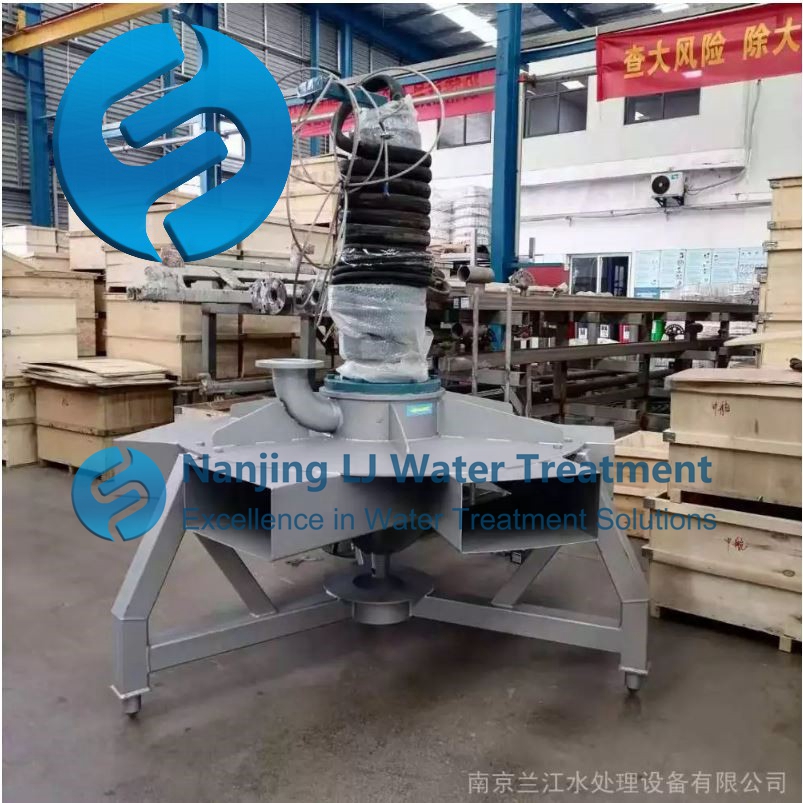
The Physics That Drives Steady Bottom Water Ascent
Rising air bubbles create a continuous drag effect on surrounding water as they move from deep release points toward the surface. This drag pulls adjacent bottom water into the bubble stream, forming a defined upward current that does not dissipate immediately even at significant water depths. The cumulative force of thousands of small bubbles moving in a coordinated path builds enough momentum to lift water that has remained isolated at the bottom for months, trapped beneath a stable thermal or density barrier.
Secondary physical forces reinforce this upward movement without additional external energy input. The slight density reduction of water that has come into contact with rising bubbles adds extra buoyancy to the flow, helping it travel further upward than the initial bubble drag alone could support. This creates a self-sustaining vertical flow that can reach well past the typical thermocline boundary in many deep lakes and reservoirs.
Effects on Stratification Breakdown and Water Layer Connection
As lifted bottom water moves upward, it carries unique chemical properties from the benthic boundary layer into mid-water zones. Water that spent long periods in low-oxygen conditions, holding accumulated dissolved minerals and metabolic byproducts, mixes gradually with oxygen-rich upper water instead of being trapped indefinitely below the density divide. This slow, steady mixing prevents the sudden, disruptive full water column turnover that often triggers water quality crashes in untreated stratified systems.
The consistent upward flow also weakens sharp density gradients that separate water layers for months at a time. Over weeks of continuous operation, the once-rigid boundary between warm surface water and cold bottom water softens, creating more gradual transitions that allow natural diffusion processes to work across a wider range of depths. This prevents the formation of large, completely isolated anoxic zones that can no longer support most forms of aquatic life.
Biological Ripple Effects of Sustained Bottom Water Lifting
Microbial communities that once only survived in dark, low-oxygen sediment layers get transported upward into zones with limited light and small amounts of dissolved oxygen. This exposure creates new niche environments for different types of decomposer organisms, breaking down accumulated organic matter at a slower, more stable rate that avoids releasing large pulses of harmful compounds all at once. These moving microbial communities also support a more balanced food web that connects benthic and pelagic zones which were previously disconnected.
The expanded vertical habitat created by connected water layers lets more aquatic species move freely across different depth ranges. Many fish and invertebrate species that were once restricted to narrow, oxygen-rich surface zones can now travel down to deeper areas to feed or seek cooler temperatures, without encountering lethal oxygen levels. This redistribution of aquatic life supports a more resilient ecosystem that is less vulnerable to sudden population collapses triggered by seasonal temperature shifts.
Post time:2026-07-14
