Material compatibility with process fluid properties
The foundation of reliable corrosion resistance for aeration mixers in harsh operating environments begins with precise material matching to the specific chemical composition of the process stream. Many installations experience unexpected premature failure because general-purpose construction materials are selected without accounting for trace contaminants, fluctuating pH levels, or periodic spikes in corrosive ion concentration that occur under real production conditions. It is essential to map the full range of fluid characteristics across all operating modes, including normal steady-state flow, upset conditions, and seasonal variations, to identify every corrosive agent that will come into direct contact with wetted components. This detailed profile ensures the selected material resists both general surface corrosion and localized attack mechanisms that can penetrate component walls even at low overall corrosion rates.
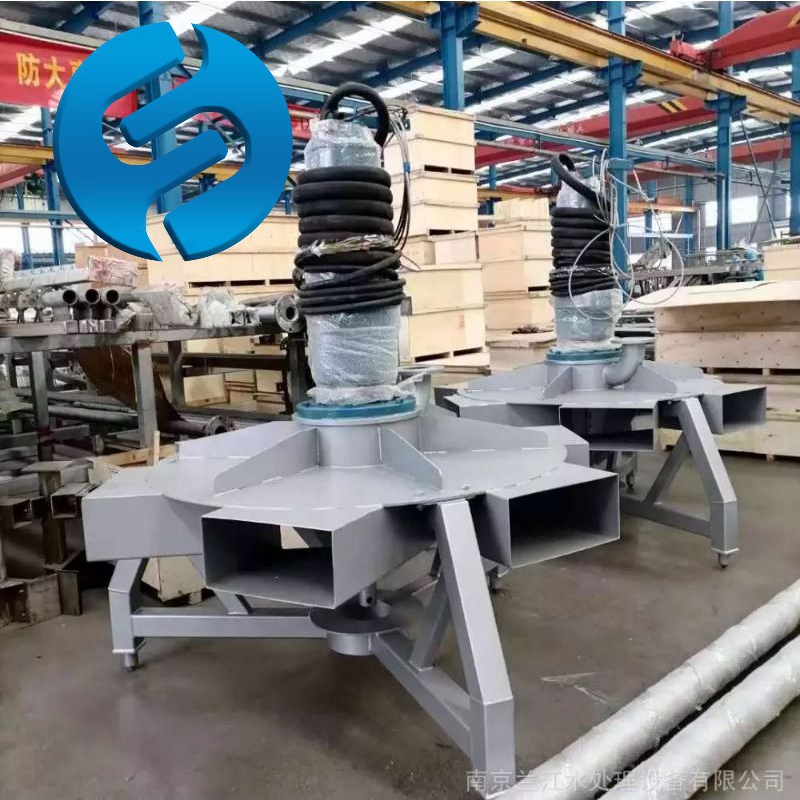
Structural design that eliminates hidden corrosion points
Even highly resistant materials can fail prematurely if the overall design creates unprotected gaps, crevices, or dissimilar metal contact points that accelerate degradation over time. Joints that trap stagnant fluid, unpolished weld seams, and exposed fasteners in high-moisture zones often become the first locations where corrosion initiates, even when the main body of the unit is constructed from properly specified material. Integrated, seamless construction that minimizes the number of separate connected parts removes most of these high-risk weak points, preventing corrosive agents from accumulating in narrow spaces where they can create localized concentration cells. Designs that avoid mixing different uncoated metals in direct contact also eliminate galvanic corrosion risk, which can rapidly degrade the less noble material even when surrounding fluid conditions appear relatively mild.
Performance validation under actual operating temperature ranges
Corrosion resistance ratings measured at room temperature do not always translate reliably to the elevated process temperatures that many industrial and heavy-duty treatment systems operate at continuously. As fluid temperature rises, the reaction rate between corrosive agents and component surfaces increases significantly, and materials that show excellent performance at ambient conditions can experience sudden, rapid degradation once operating temperatures exceed a certain threshold. It is necessary to verify long-term corrosion performance data at the exact maximum sustained temperature of the application, including periods where process heat may temporarily push conditions above standard design baselines. This ensures the selected construction maintains its integrity even during extended high-temperature operation, rather than experiencing unexpected material breakdown after only a few months of service.
Resistance to combined corrosion and abrasion
In many heavy-duty process environments, corrosive agents do not act alone, and suspended grit, crystalline particles, or abrasive sludge continuously scours component surfaces while chemical attack is taking place. This combined effect removes passive protective layers that would normally slow down corrosion, exposing fresh, unprotected material to direct chemical attack at a much faster rate than would occur in clean fluid. Materials that perform well in purely chemical corrosion tests can fail quickly under these combined conditions, as constant surface erosion prevents the formation of stable, self-healing passive films. Selecting configurations that combine high chemical inertness with sufficient surface hardness to resist continuous particle scouring ensures the unit maintains full corrosion protection even when processing fluids with high suspended solid loads.
Field-proven performance in comparable operating environments
One of the most reliable ways to confirm suitability for high-corrosion applications is to reference long-term operating data from installations that handle identical or very similar process streams under matching temperature and depth conditions. General laboratory corrosion data can never fully replicate the complex interaction of cyclic loading, intermittent exposure to different chemical batches, and continuous mechanical vibration that occurs in real field operation. Verified performance records showing multiple years of uninterrupted service in the same type of harsh environment confirm that the selected construction will not experience unexpected failure modes that standard material testing cannot predict. This practical validation step removes much of the uncertainty that comes with specifying equipment for highly aggressive process conditions.
Post time:2026-09-21
