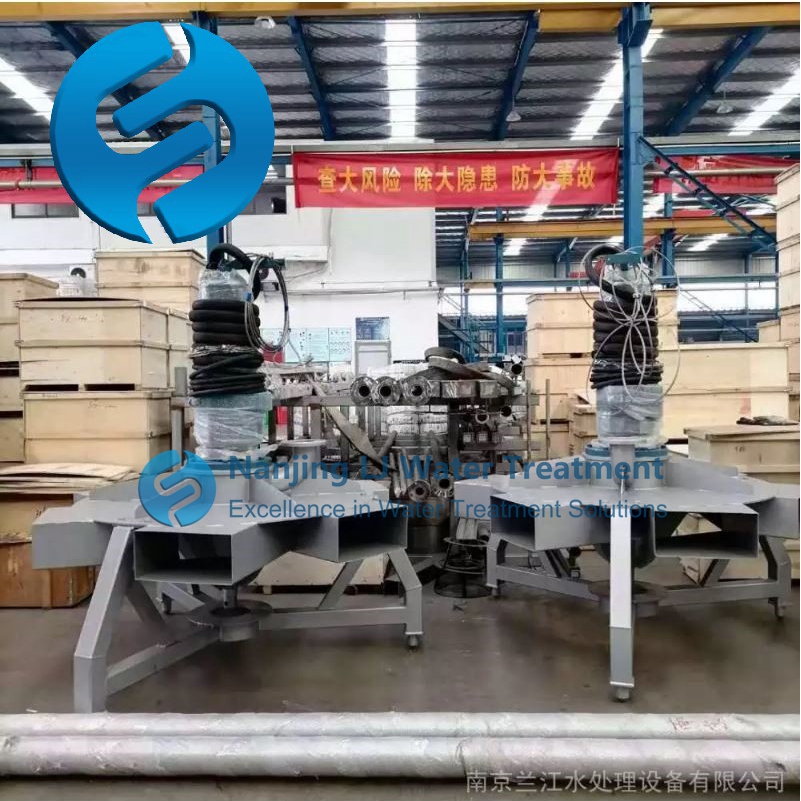
Aeration mixer systems play a critical role in maintaining stable, high-efficiency performance across every stage of biogas digester operation, addressing one of the most common and impactful challenges in anaerobic digestion: preventing uneven substrate distribution that disrupts microbial activity and reduces gas output. Without consistent, targeted mixing, heavy organic solids settle to the bottom of the digester to form thick, dense sludge blankets, while lighter materials rise to create a rigid surface crust that traps biogas and blocks it from reaching collection systems. These unbalanced conditions create isolated pockets with no contact between active methanogens, fresh feedstock, and essential nutrients, leading to fluctuating pH levels, toxic volatile fatty acid buildup, and extended periods of low or inconsistent biogas production.
Key Operational Benefits for Anaerobic Digestion Stability
Properly implemented aeration mixing in biogas digesters delivers a set of interconnected advantages that directly strengthen the reliability and output of the entire anaerobic process. First, it continuously homogenizes the entire digester volume, ensuring fresh incoming feedstock disperses evenly through the active microbial community instead of accumulating in localized spots that can trigger sudden acidification. This uniform distribution eliminates the sharp shifts in environmental conditions that shock methanogen populations, allowing the slow-growing, gas-producing microbes to maintain steady metabolic activity over long periods. Second, gentle, consistent mixing prevents the formation of large, dense floating scum layers that can block gas pipes, create dangerous pressure imbalances inside the tank, and reduce the effective working volume of the digester by 20% or more in severe cases. The controlled movement of liquid also helps release trapped biogas bubbles from within the sludge matrix, ensuring more gas is captured rather than remaining locked in the substrate, and prevents temperature stratification that creates cold, low-activity zones far from the digester’s heating elements.
Field-Proven Strategies to Optimize Mixing Performance
Operators with long-term experience running biogas facilities rely on targeted, data-backed adjustments to get the best results from their aeration mixing workflows, rather than running systems at full power around the clock. Most successful facilities use staggered, intermittent mixing schedules that align with feedstock loading cycles: they activate mixing for short, carefully timed bursts immediately after new substrate is added, then pause mixing for several hours to give methanogens time to settle and carry out gas production without unnecessary disturbance. Teams regularly test samples taken from multiple depths of the digester to check for consistent total solids levels and uniform pH readings, using any detected variation across different sampling points to identify unmixed dead zones that need adjusted mixer positioning or extended mixing intervals. They also adjust mixing intensity seasonally, slowing agitation during colder months when microbial activity is slower, and increasing flow rates during periods when they are processing higher volumes of high-fiber substrates like agricultural manure or crop silage. Regular checks for accumulated fibrous debris around submerged mixer components prevent unexpected mechanical failures that can leave the digester completely unmixed for days, a scenario that often leads to full process recovery taking weeks to resolve.
Synergy with Upstream and Downstream Biogas Process Stages
Aeration mixing performance in the main digester directly ripples out to improve the efficiency of every other connected stage of a full biogas production system. At the upstream feed preparation stage, consistent pre-mixing of slurried organic material before it enters the digester removes large air pockets and creates a uniform, pumpable substrate that does not introduce disruptive oxygen spikes or uneven particle sizes into the anaerobic environment. This pre-conditioned feed reduces stress on the main digester’s mixing system and ensures every new batch of material integrates smoothly into the active digestion mass. Downstream, well-mixed digester effluent carries a consistent, low-viscosity profile that moves easily through solid-liquid separation equipment, producing a more uniform digestate byproduct that can be safely processed into stable nutrient fertilizer without additional treatment steps. For facilities that co-digest multiple feedstock types, from food waste to agricultural residues, reliable aeration mixing eliminates the risk of incompatible materials segregating inside the tank, allowing operators to adjust their feedstock ratios flexibly to match local waste availability without risking process imbalance. This level of system-wide compatibility makes aeration mixing a foundational, adaptable component that supports consistent long-term biogas output for both small farm-scale systems and large industrial anaerobic digestion facilities.
Post time:2026-11-02
