Aeration mixer systems play a critical role in maintaining stable water quality conditions for all types of aquaculture ponds, from small-scale backyard grow-out operations to large commercial production facilities. Unlike basic surface aerators that only disturb the top layer of water, these combined aeration and mixing units address the root causes of common water quality issues that directly impact stock health and harvest consistency.
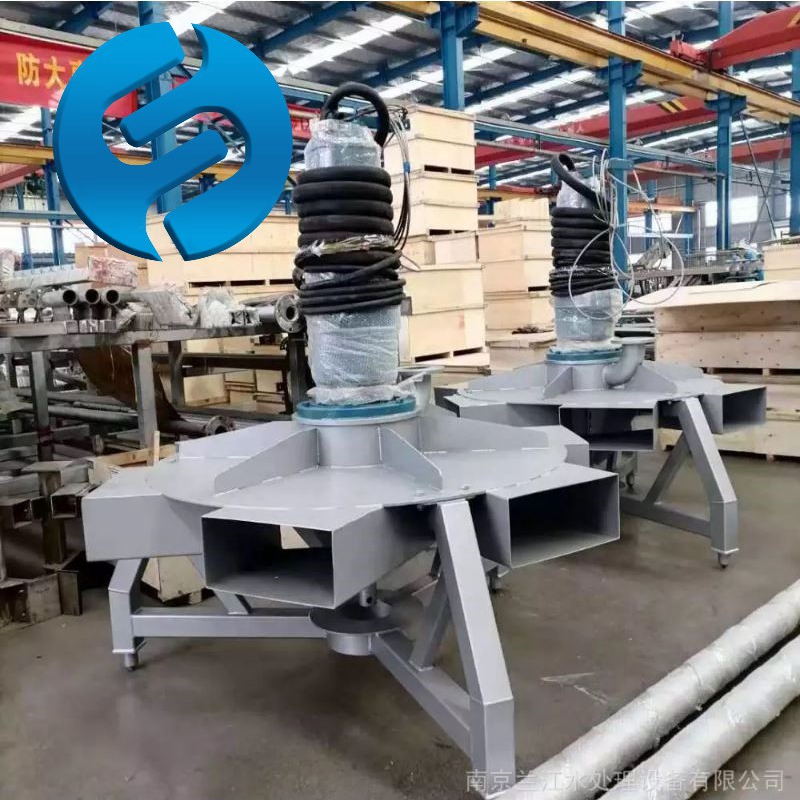
Full water column oxygen distribution and thermal destratification
The biggest advantage an aeration mixer brings to an aquaculture system is its ability to push fine oxygen-rich bubbles through every layer of the pond, rather than leaving the bottom zone starved of dissolved oxygen. As the unit circulates water horizontally and vertically at the same time, it breaks down the thermal and chemical stratification that often forms on calm, warm days. This stops the low-oxygen, nutrient-heavy bottom water from being trapped near the sediment, where it would otherwise feed harmful algae blooms and release toxic metabolites into the pond.
With consistent full-column mixing, dissolved oxygen levels stay uniform from surface to pond bottom, eliminating the dangerous situation where fish and shrimp crowd into a narrow narrow band of acceptable oxygen and cannot access the full volume of the pond. This even distribution also supports a healthier population of beneficial aerobic bacteria, which break down uneaten feed and fish waste far more efficiently than anaerobic microbes that thrive in stagnant bottom zones.
Zoned deployment strategies for different pond layouts
Aeration mixers can be positioned across the pond to create intentional directional flow patterns that match the specific shape, depth, and stock density of each aquaculture site. For long, narrow raceway-style ponds, placing units at staggered intervals along the central axis creates a steady, gentle current that prevents waste from settling in low-flow corners, making routine siphoning far more effective. For large, irregularly shaped grow-out ponds, positioning units around the perimeter pushes water toward a central drainage zone, concentrating suspended waste particles in one easy-to-manage area.
In high-intensity stocking systems, extra units can be added around feeding zones to maintain high dissolved oxygen levels exactly where fish and shrimp are most active and consume the most oxygen during feeding times. Even in shallow nursery ponds that are prone to sudden overnight oxygen crashes, a properly arranged set of mixers keeps water circulating continuously to prevent sudden stratification that would otherwise trigger a critical drop in oxygen levels after sunset.
Routine operational tuning to match seasonal and production shifts
Running an aeration mixer system at full power 24 hours a day is rarely necessary, and targeted operational adjustments help operators maintain ideal conditions while avoiding unnecessary energy consumption. During early morning hours when natural photosynthesis has not yet replenished dissolved oxygen levels after dark, operators can ramp up mixer output to push oxygen distribution to every corner of the pond before stock activity picks up at sunrise. On cool, overcast days with low algae activity, they can extend mixer run times slightly to compensate for the lack of natural oxygen production from aquatic plants.
As stock grows and total biomass in the pond increases over the grow-out cycle, operators gradually adjust mixer coverage and runtime to match the higher oxygen demand and larger volume of waste being generated. Before scheduled water exchange events, running the mixers for an extra 30 to 60 minutes homogenizes the entire pond water column, so outgoing water carries away more suspended waste instead of leaving concentrated nutrient pockets behind near the bottom. These small, consistent adjustments align aeration performance with real-time pond conditions, creating a far more stable growing environment for stock across the entire production cycle.
Post time:2026-10-23
