Uneven aeration distribution in aeration mixers disrupts fluid mixing efficiency, reduces biological treatment performance, and creates inconsistent dissolved oxygen levels across different zones of the processing tank. This issue often develops gradually over extended operation, making early identification and structured reform and rectification steps critical to restoring stable system performance without unnecessary downtime.
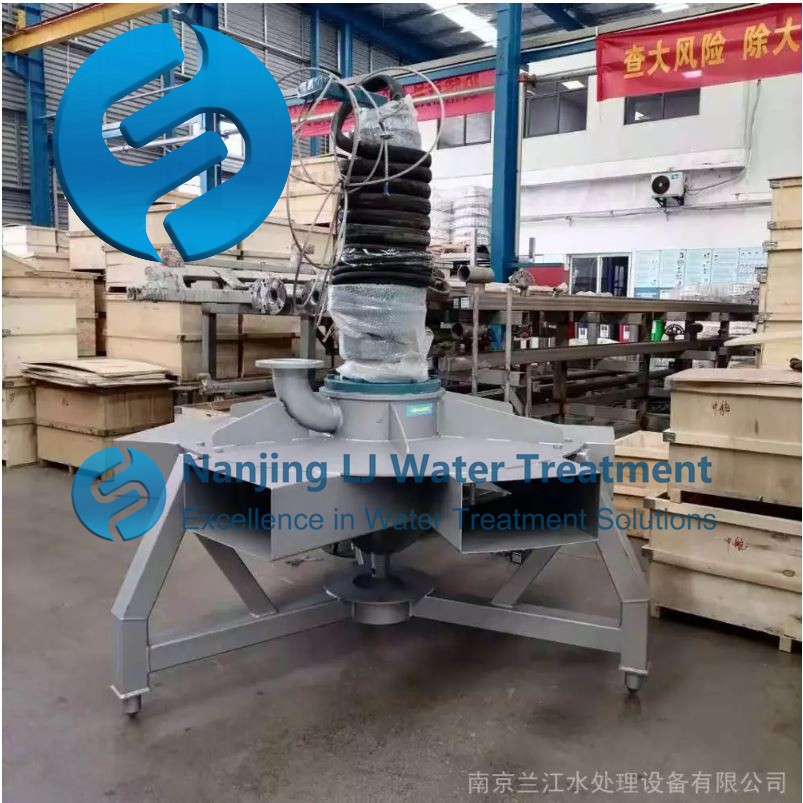
Initial On-Site Condition Assessment
Start the assessment by mapping dissolved oxygen levels at multiple evenly spaced points across the entire tank volume, at different depths and distances from the aeration mixer installation position. Record readings over a continuous period that covers both low and high system load conditions, to identify which specific zones consistently show oxygen levels far outside the designed operating range. This data helps distinguish localized blockage issues from system-wide airflow imbalance problems that affect the entire tank.
Next, perform a full visual inspection of all accessible air distribution paths, checking for accumulated sediment, biological growth, or residual debris that may be partially blocking air outlet openings. Pay special attention to areas near the bottom of the tank where settled sludge can drift into air ports during idle periods, creating partial restrictions that alter airflow patterns. Document any signs of uneven wear or physical deformation on mixer components that come into direct contact with the process fluid.
Verify the operating parameters of the air supply system, checking for unexpected pressure fluctuations that do not align with the original design specifications. Even small changes in system backpressure can shift airflow distribution across different branches of the aeration network, creating uneven output that was not present during initial system commissioning. Cross-reference current operating data with historical baseline records to identify any gradual drift that may have gone unnoticed during routine daily checks.
Targeted Correction and Adjustment Procedures
Begin the整改 process by isolating and clearing any identified partial blockages in the aeration distribution network, using non-intrusive cleaning methods that avoid damaging precision airflow control features. For blockages located deep within submerged components, perform the work following standard confined space safety protocols, and ensure all removed debris is fully extracted from the tank to prevent it from drifting back into other air ports after the system is restarted.
Once all blockages are cleared, perform a sequential airflow balancing adjustment across all distribution branches, following the system’s original hydraulic design logic. This step ensures that airflow volumes delivered to different tank zones match the calculated design values, eliminating the over-supply and under-supply conditions that create uneven mixing. Make small, incremental adjustments and allow system conditions to stabilize fully between each change, to avoid over-correcting and creating new distribution imbalances.
After mechanical adjustments are complete, run the aeration mixer through a full dynamic test cycle under normal process load conditions. Re-map dissolved oxygen levels across all previously measured points to confirm that readings now fall within the acceptable tolerance range defined for the process. Check for abnormal vibration or unusual noise patterns that may indicate unintended stress on rotating components caused by changes in airflow resistance.
Long-Term Distribution Stability Maintenance
Establish a regular scheduled inspection routine that tracks aeration distribution performance over extended operating cycles, using the original baseline measurement points as reference benchmarks. This allows operators to detect early signs of slowly developing blockages or component wear long before they cause noticeable uneven aeration issues that disrupt process performance. Document all inspection results in a centralized system log to build a clear historical record of system behavior across different operating seasons and load conditions.
Integrate aeration distribution checks into the standard post-maintenance verification workflow every time the aeration mixer is disassembled for servicing. This ensures that every time components are removed and reinstalled, the airflow alignment remains consistent with design intent, preventing accidental misalignment that could create new distribution dead zones. Train on-site operation teams to recognize early warning signs of uneven aeration, such as inconsistent fluid movement patterns or unexpected changes in energy consumption for the same process load.
For facilities looking to upgrade existing systems to achieve more robust long-term aeration performance, targeted design optimization of internal airflow paths can significantly reduce the risk of future uneven distribution events. This type of optimization work is carried out based on detailed historical operating data collected from the specific site, ensuring all modifications align with the unique process characteristics and operating conditions of the installation.
Post time:2026-09-09
