Frequent cycling of an aeration mixer can disrupt water treatment consistency, shorten component lifespan, and create unexpected process fluctuations that are hard to trace in daily operation. Many operators overlook subtle pre-failure signs and treat random restarts as minor nuisances, until the system drifts far from its designed performance baseline.
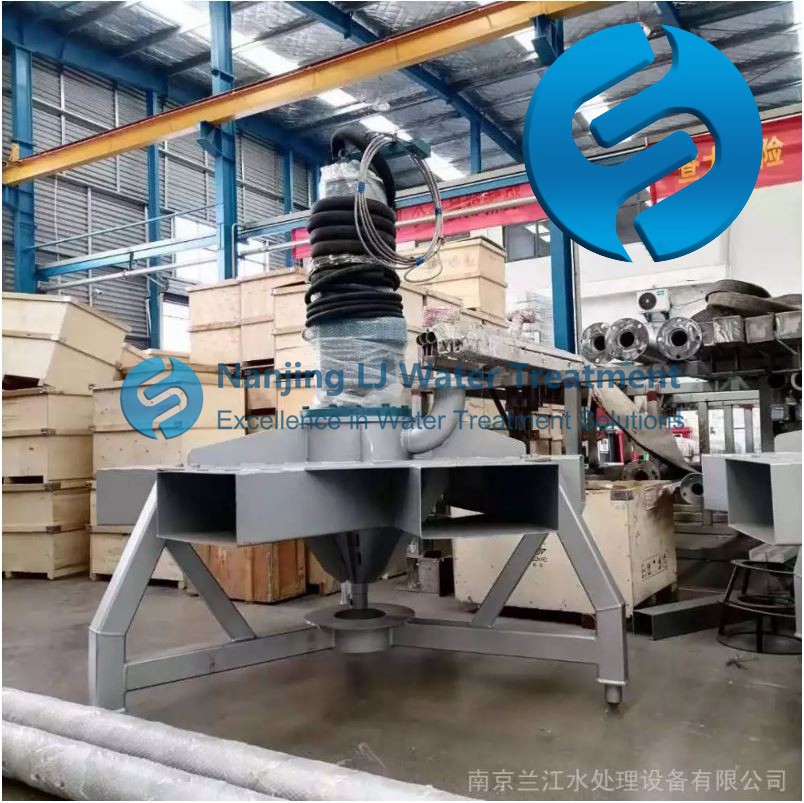
Common electrical trigger conditions that cause repeated cycling
Unstable power supply conditions are one of the most frequently overlooked sources of unexpected mixer stops and restarts. Voltage sags during peak consumption periods can trip internal protective relays, forcing the unit to shut down temporarily and re-engage once power stabilizes. Loose terminal connections along the main circuit, control wiring, or auxiliary safety interlocks can also create intermittent contact that breaks the operational signal without triggering a permanent fault code.
Improperly calibrated overload protection settings
When overload thresholds are set too close to normal operating current, even minor transient load spikes from uneven sludge buildup or temporary fluid density changes can trip the protective circuit. This forces the mixer to stop, reset automatically after a short cooling interval, and attempt to restart under nearly identical load conditions. Over time, this repeated cycle places extra thermal stress on motor windings and contactor points.
Mechanical load resistance that forces unexpected shutdown
Even when electrical signals appear stable, unexpected mechanical drag can push operating current beyond the safety limit and trigger an immediate stop. Impeller obstruction from accumulated fibrous debris, settled sediment, or tangled foreign material creates sudden torque spikes that the drive system cannot sustain under normal running parameters.
Degraded bearing and seal condition
Worn bearing surfaces or seal failure that allows moisture ingress can increase rotational friction gradually until the motor draws excess current. The system will shut down to prevent permanent damage, then attempt to restart once internal temperatures drop slightly. This pattern often repeats at irregular intervals as lubrication breaks down and contamination spreads deeper into rotating assemblies.
System-level process and installation factors
Poor alignment between the motor shaft and mixing shaft introduces cyclic mechanical stress that raises vibration levels and increases effective power draw over time. If the mounting base shifts slightly after months of continuous operation, even a small angular offset can create periodic torque peaks that push the unit toward protective shutdown.
Incorrect submersion depth and flow resistance
When the mixer is positioned too deep or flow patterns create unexpected backpressure against the impeller, the effective load can exceed the original design specification. Operators may notice the unit runs fine under low-water conditions but begins frequent cycling once tank levels rise beyond a certain threshold. This type of issue often goes unlogged because it only appears under specific process states.
Post time:2026-09-09
