Aeration mixer systems form the functional backbone of most modern municipal and industrial wastewater treatment workflows, directly shaping how effectively dissolved oxygen circulates through mixed liquor and supports the biological breakdown of organic contaminants. Their performance does not only influence treatment efficiency, it also has a direct impact on long-term operational stability and compliance with effluent discharge standards for facilities of all sizes.
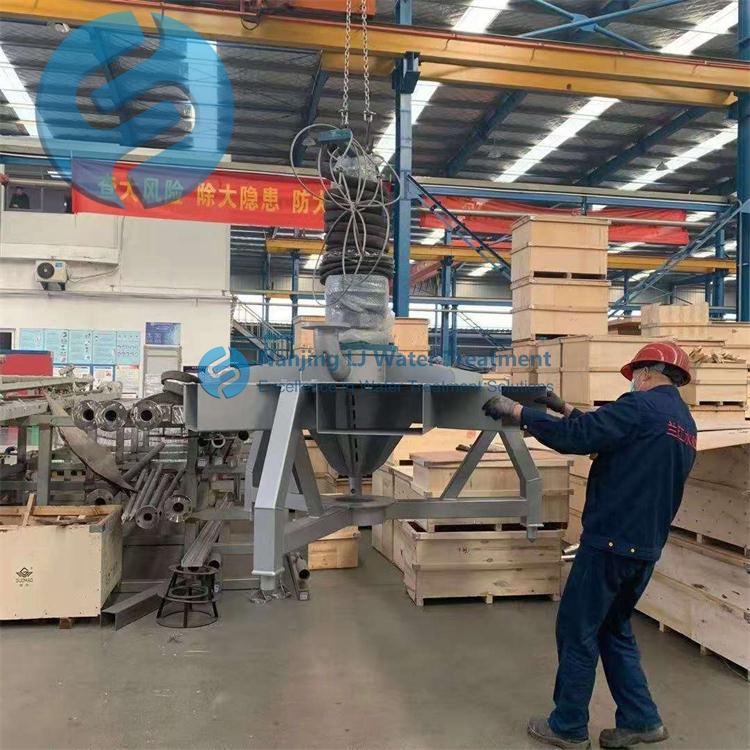
Oxygen transfer and sludge homogenization in active bioreactors
The core function of any aeration mixer setup is to combine two critical processes that many standalone systems cannot deliver in a single unit: consistent oxygen diffusion and full-volume liquid mixing. Instead of releasing air bubbles that only rise vertically and leave large dead zones in lower tank sections, these systems push combined air and water streams horizontally across the entire tank footprint. This motion keeps activated sludge particles suspended uniformly, so every microbial colony has equal access to both dissolved oxygen and incoming organic waste.
This uniform distribution eliminates the low-oxygen pockets that would otherwise trigger unwanted anaerobic reactions, prevent the formation of settled sludge layers at the tank bottom, and reduce the risk of incomplete treatment that shows up as irregular BOD and COD readings in final effluent. Operators often adjust flow patterns based on real-time dissolved oxygen sensor data, tuning output to match shifting organic load levels from industrial input or peak municipal flow periods.
Installation flexibility across different tank configurations
Aeration mixer units are designed to integrate smoothly into both newly constructed treatment plants and retrofitted older facilities without requiring full draining or major structural modification of existing basins. Systems can be mounted on floating platforms for lagoon-style treatment ponds that experience frequent water level fluctuations, or fixed to pre-existing walkway brackets for concrete activated sludge tanks with stable water depth. This means facilities can upgrade their aeration performance without tearing out existing tank walls or replacing entire basin liners.
For oxidation ditch and extended aeration processes, the mixers can be positioned at precise intervals along the channel to maintain consistent horizontal flow velocity, preventing sludge settling in low-movement corners. Even in deep tank applications that would normally require multiple separate aeration and agitation units, a properly arranged set of aeration mixers can deliver full coverage without extra auxiliary equipment taking up valuable tank space.
Routine operational adjustments to extend service life and maintain performance
Long term reliable performance of aeration mixer systems depends on small, regular operational checks that prevent minor issues from escalating into unplanned downtime. Operators inspect air intake paths at scheduled intervals to remove accumulated debris that could restrict air flow and lower oxygen transfer efficiency, and they check shaft seal conditions to make sure no unwanted liquid leaks into internal drive components. They also monitor current draw on drive motors over time, tracking small shifts that can signal early impeller wear before performance drops noticeably.
During low-load seasonal periods, teams can stagger the running schedule of individual units to avoid unnecessary continuous operation, distributing wear evenly across the whole system instead of overworking a small subset of mixers. When facilities run periodic sludge wasting operations, they temporarily adjust mixer output to match lower mixed liquor levels, preventing unnecessary agitation that could disturb sludge age balance across the whole biological treatment train. These consistent, low-effort adjustments keep the system running reliably for years, while keeping energy consumption aligned with actual treatment demand.
Post time:2026-10-23
