When you work with sewage tank mixing, getting consistent and reliable performance out of your aeration mixer setup directly shapes how smoothly your whole wastewater treatment process runs. Many teams spend extra time troubleshooting uneven flow, settled sludge, or low oxygen distribution without realizing small adjustments to their mixing approach can resolve most of these common pain points quickly.
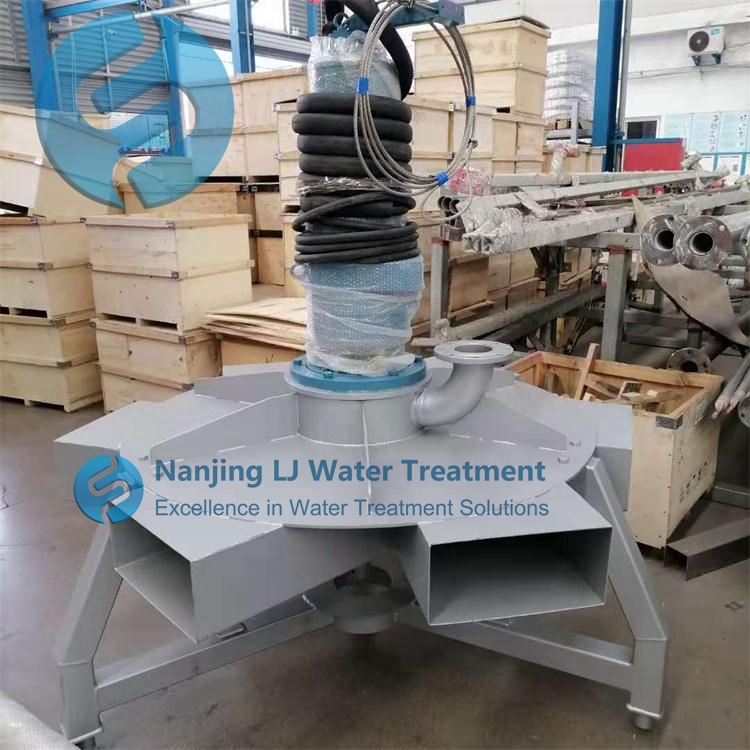
The right mixing strategy keeps every part of the tank active, so no dead zones form where organic matter can build up and cause unexpected odors or process delays. Even small changes to flow patterns can make a noticeable difference in how well your biological treatment stages perform day after day.
Core functional advantages of integrated aeration and mixing
Combining aeration and mixing in one coordinated system eliminates the gaps that often happen when separate pieces of equipment work against each other. The high-performance impeller movement breaks incoming air into extremely fine bubbles, then pushes that air-water mixture evenly across the full volume of the tank. This means oxygen reaches every corner of the water body instead of only staying near the surface or the air inlet points.
This kind of setup also supports full homogeneity across the entire tank floor, so settled solids never get a chance to accumulate in hard-to-reach edges. Every part of the wastewater stays in constant gentle motion, which keeps biological colonies active and prevents unnecessary sludge buildup that would require extra manual cleaning later.
Flexible operation for different treatment modes
One of the most practical benefits of this mixing approach is how easily it switches between aerobic and anaerobic processing without major equipment changes. You can adjust the air supply to ramp up oxygen delivery for active biological degradation, or pause the air flow entirely to maintain steady, low-oxygen mixing for anaerobic digestion stages.
This level of flexibility works perfectly for facilities that run batch treatment cycles, or sites that need to shift between different process modes to match variable incoming wastewater loads. You do not need to reconfigure piping, move heavy equipment, or drain the tank to make these adjustments, which cuts down on downtime and keeps your treatment schedule running on track.
Long-term operational and maintenance benefits
A well-designed aeration mixing system cuts down on unnecessary energy waste by moving water in consistent, targeted horizontal patterns that keep velocity steady across the whole tank. This avoids the wasted energy that comes from overworking equipment just to push flow past settled sludge or break up stagnant layers.
Most modern setups are built for easy access during routine checks, so teams can complete inspections and basic servicing without needing to fully drain the tank or send staff into confined underwater spaces. This reduces safety risks, cuts down on maintenance hours, and extends the working life of your whole mixing setup far beyond basic, less purpose-built alternatives.
Over months and years of regular use, this consistent performance translates to fewer unplanned shutdowns, more stable effluent quality, and a much more predictable operational routine for every member of your wastewater management team.
Post time:2026-10-26
