Aerobic digestion tanks rely on steady, well-distributed oxygen and consistent fluid movement to break down organic waste efficiently, and the performance of your aeration mixer directly determines how reliable that process stays over long operational cycles. Many facilities struggle with inconsistent digestion results, uneven sludge stabilization, and unexpected odor issues that trace back to poor synchronization between aeration output and mixing coverage.
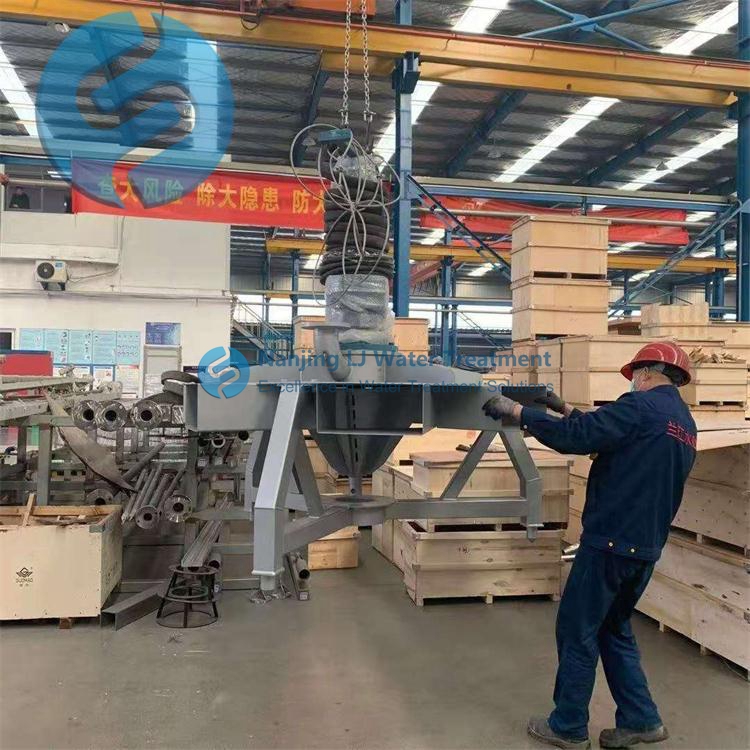
Getting this balance right means you avoid over-aerating sections of the tank while other areas sit stagnant, and you create a uniform environment where aerobic bacteria can work at their full processing capacity. Small, consistent improvements to your mixing strategy can deliver noticeable gains in treatment stability without requiring major overhauls of your existing tank infrastructure.
Key design considerations for aerobic digestion tank mixing
The most effective aeration mixing setups for this application prioritize full basin coverage that reaches every part of the tank floor, so no pockets of thick, undisturbed sludge get the chance to settle and accumulate. The flow pattern generated needs to move fluid horizontally across the full tank radius, not just create localized turbulence near the equipment installation point, to ensure every suspended particle stays in constant motion.
You also need to account for variable water levels that naturally shift as sludge volume changes through different digestion stages. A system that can maintain consistent mixing performance across a wide depth range will avoid performance drops when tank levels rise or fall, which prevents unexpected process disruptions during high-load or low-activity periods.
Optimizing oxygen transfer for biological processing
When aeration and mixing work in full coordination, fine oxygen bubbles stay suspended in the water for far longer instead of rising straight to the surface and escaping unused. This extended contact time between air and sludge drastically improves the amount of oxygen that dissolves into the mixed liquor, giving aerobic bacteria constant access to the oxygen they need to break down volatile solids effectively.
You also get full independent control over aeration intensity and mixing strength, so you can adjust oxygen delivery to match the exact activity level of your microbial colony at any given time. During peak digestion phases, you can ramp up oxygen flow to support fast breakdown, and during lower-activity stabilization phases, you can reduce air input while keeping mixing running nonstop to maintain uniform conditions across the entire tank.
Practical installation and maintenance best practices
You can deploy most well-engineered aeration mixer configurations directly into an existing aerobic digestion tank without requiring you to drain the entire basin first. This wet installation approach eliminates the huge operational disruption that comes with dewatering a full tank, so you can upgrade your system or replace old equipment without shutting down your digestion line for days at a time.
These setups are also built to operate reliably for long stretches with very few moving parts submerged under water, which cuts down on the need for frequent underwater servicing. All major service points are positioned above the water line for easy access during routine checks, so your maintenance team can complete inspections, perform minor adjustments, and resolve small issues quickly without specialized dive teams or confined space entry procedures.
This low-fuss operational model keeps your aerobic digestion process running with far fewer unplanned interruptions, and it reduces the long-term labor burden on your facility’s operations staff over years of continuous use.
Post time:2026-10-26
