Abnormal operating noise in an aeration mixer is one of the most common early warning signs of underlying mechanical or hydraulic issues that can gradually reduce mixing efficiency, shorten equipment service life, and even trigger unexpected system shutdowns in wastewater treatment operations. Timely, systematic troubleshooting and targeted maintenance can eliminate hidden risks before they develop into severe failures, keeping the dissolved oxygen delivery and flow mixing performance stable for long continuous operation cycles.
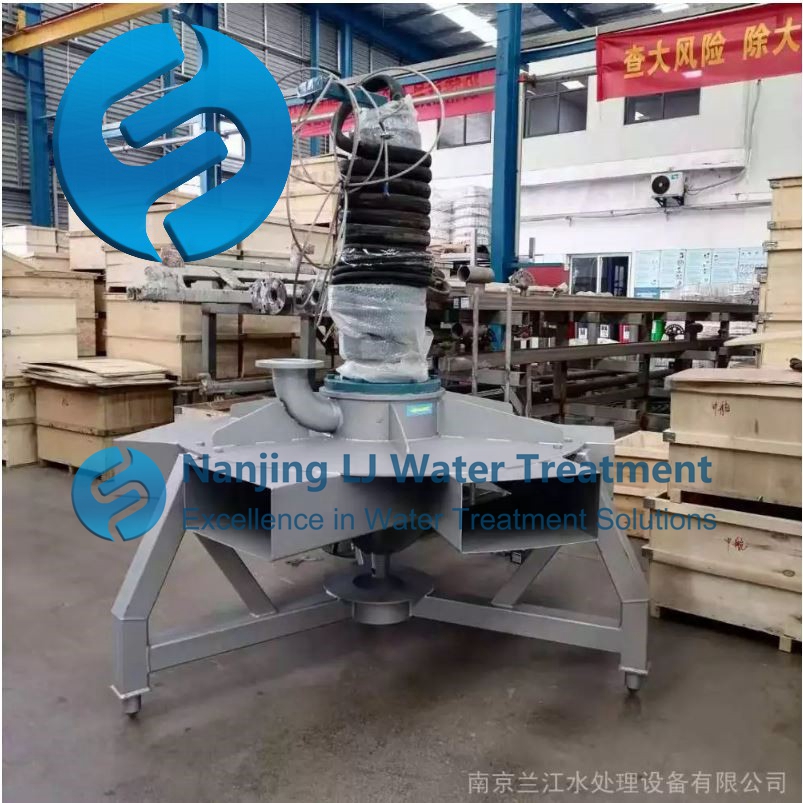
Pre-inspection and noise source localization
Before any disassembly or maintenance work, technicians first run the aeration mixer under normal operating conditions at different load levels, marking the exact time point and corresponding operating parameters when the abnormal noise appears. They use a combination of auditory inspection near different parts of the equipment and vibration detection tools to narrow down the noise source, distinguishing between metal-to-metal friction noise, cavitation rumble from the water flow, loose component rattle, and abnormal high-frequency hum from the power drive unit. Technicians also check the surrounding operating environment, confirming if the water level in the tank falls outside the design range, if large floating debris is visible near the working zone, or if recent system pressure fluctuations have introduced unexpected hydraulic impacts. This step avoids blind disassembly and ensures all subsequent maintenance actions directly target the root cause of the abnormal sound.
Mechanical component inspection and fault elimination
After confirming the noise originates from the mechanical transmission or rotating assembly, technicians first lock the power supply and follow standard lockout-tagout safety procedures before accessing internal components. They check all mounting bolts, connection flanges, and fasteners along the entire transmission path, tightening any loose parts that could generate periodic rattle during operation. Technicians then inspect the impeller or mixing rotor for wrapped fibrous debris, surface wear, or partial blade damage that could create unbalanced rotation and generate consistent friction or impact noise. All rotating bearings are checked for lubrication status, abnormal play, or surface pitting, and worn or insufficiently lubricated bearings are serviced or replaced to eliminate high-frequency friction noise during high-speed operation. The alignment between the motor output shaft and the mixing shaft is also verified, as even minor misalignment can generate persistent vibration noise that transfers to the entire equipment structure.
Hydraulic and post-maintenance validation
For abnormal noise linked to hydraulic conditions, technicians check the water inlet flow path, confirming no partial blockage that could create localized negative pressure zones and trigger cavitation inside the mixing chamber. They verify that the aeration mixer’s actual operating speed and submergence depth stay within the design specifications, as operating far outside the recommended parameters often leads to unstable flow patterns that produce low-frequency rumble. After all troubleshooting and maintenance actions are completed, technicians restart the equipment under gradually increasing load conditions, monitoring noise level, vibration amplitude, current draw, and mixing uniformity across the full operating range. They run extended continuous test cycles to confirm no abnormal noise reappears, and record all inspection, adjustment, and replacement details in the equipment’s maintenance log for future reference. This full validation process ensures the aeration mixer returns to smooth, stable operation with no hidden residual issues.
Regular, scheduled inspection of these key noise-related components as part of a preventive maintenance plan can greatly reduce the probability of unexpected downtime, especially for facilities that run their aeration systems under high-load, continuous 24/7 operating conditions.
Post time:2026-08-21
