Dairy wastewater carries a unique mix of high organic loads, fats, proteins, suspended solids, and residual dairy compounds that create distinct challenges for biological treatment systems. Unlike general municipal wastewater, it tends to foam easily, form thick floating scum layers, and create uneven oxygen distribution that can stall the activity of aerobic microbial communities. An aeration mixer sits at the center of this process, working to break down thick surface layers, circulate dissolved oxygen evenly through every section of the tank, and keep active microbial biomass fully suspended so it can make consistent contact with the organic pollutants in the water. Without properly optimized mixing and aeration performance, even a well-designed dairy treatment system will struggle to meet effluent discharge standards and will face frequent operational disruptions.
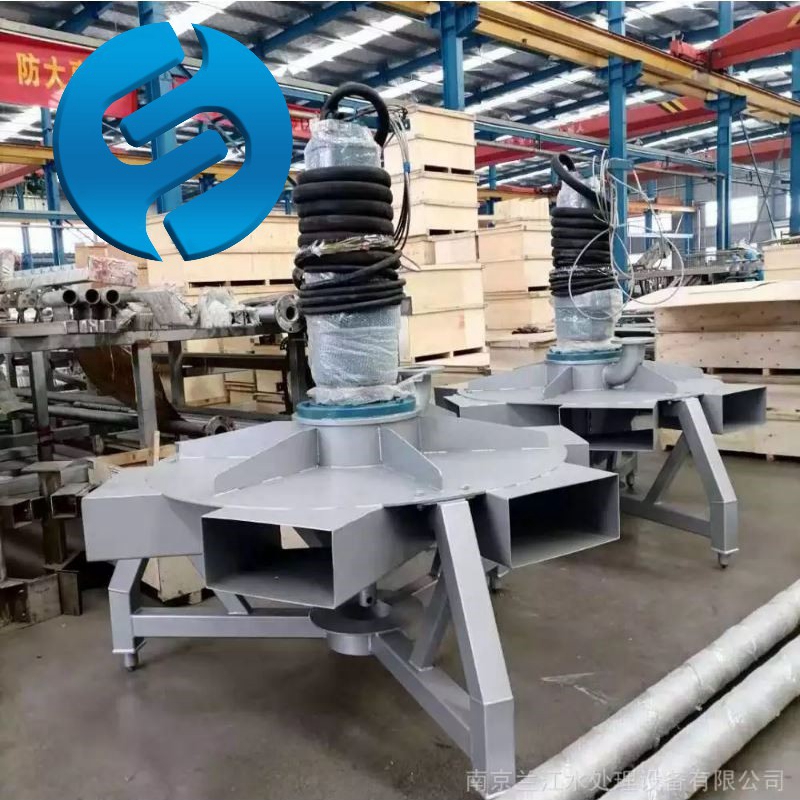
Key Operational Demands for Dairy Wastewater Aeration
The first major challenge in dairy wastewater treatment is handling the high concentration of fats, oils, and greasy residues that do not break down easily in standard aerobic conditions. These substances tend to accumulate on the surface of aeration components, clog small openings, and form thick, impermeable layers that block oxygen transfer from air bubbles into the bulk water. If mixing performance is insufficient, these greasy materials will also separate into stagnant floating mats that remain untouched by the aerobic treatment process, slowly turning into anaerobic sludge deposits that release odors and degrade overall system performance.
Dairy wastewater also experiences wide, unpredictable swings in organic loading on a daily basis. Production schedules at dairy processing facilities often create sharp spikes in wastewater flow and pollutant concentration for several hours each day, followed by much lower load periods during shift changes or downtime. The aeration mixer system must be able to adapt to these rapid changes, delivering enough mixing power to keep solids suspended and enough oxygen to support microbial activity during peak load periods, without wasting unnecessary energy during low-demand hours. Many conventional aeration systems fail to handle these variable conditions, leading to inconsistent dissolved oxygen levels, sludge settling issues, and frequent process upsets.
Long-term reliability in a high-fouling environment is another non-negotiable requirement. The continuous presence of milk solids, fine casein particles, and soft organic sludge creates constant risk of clogging, material buildup, and component jamming. If the aeration mixer design cannot resist these fouling tendencies, operators will face frequent unexpected shutdowns, time-consuming manual cleaning cycles, and rising energy consumption as blocked components work harder to deliver the same level of mixing and oxygen transfer.
Optimizing Oxygen Transfer and Fluid Circulation
Effective aeration mixing for dairy wastewater does not rely solely on blowing large volumes of air into the tank. The system must create a continuous, powerful horizontal and vertical circulation pattern that pulls floating scum layers down into the bulk water, pushes settled sludge off the tank floor, and carries fine air bubbles evenly across every zone of the aeration basin. This full-tank circulation ensures that no dead zones form where dissolved oxygen levels drop to zero, and no pockets of stagnant sludge are allowed to accumulate and turn anaerobic.
The flow pattern generated by the aeration mixer also directly impacts bubble residence time in the water. By breaking larger air bubbles into much finer, more evenly dispersed bubbles and keeping them suspended in the flow for an extended period, the system dramatically improves oxygen transfer efficiency. This means far more of the oxygen pumped into the tank actually dissolves into the water to support microbial activity, instead of rising straight to the surface and escaping unused. For dairy wastewater, this high-efficiency oxygen transfer is especially valuable during peak organic load periods, when the microbial community has extremely high oxygen demand to break down proteins and fats quickly.
Properly balanced mixing performance also helps control unwanted foaming that is extremely common in dairy treatment aeration basins. When the flow circulation is strong enough to pull foam back down into the water phase, it prevents thick, stable white foam layers from building up on the tank surface and overflowing onto walkways and surrounding equipment. This eliminates a major source of housekeeping work, reduces the risk of foam carrying active sludge out of the basin, and creates a much more stable, predictable aerobic treatment environment.
Long-Term Maintenance and Process Stability Practices
Even the most well-designed aeration mixing system for dairy wastewater requires structured, routine monitoring to maintain consistent performance over years of operation. Track dissolved oxygen levels across multiple points in the aeration basin every week, paying special attention to corners, near tank walls, and at different water depths. If you notice large, unexpected differences in dissolved oxygen readings between different locations, that is an early warning sign that mixing flow is weakening, fouling is building up on components, or partial clogging is starting to reduce air distribution.
Establish a regular inspection and cleaning schedule that matches the specific fouling characteristics of your dairy wastewater. Check all aeration and mixing components for accumulated dairy solids, grease buildup, and tangled fibrous residues that can wrap around moving parts or block air flow paths. Remove soft, adherent fouling layers before they harden into thick, stubborn deposits that are far more difficult to clean, and confirm that all rotating parts move freely without unexpected resistance. For facilities that run continuous 24-hour operations, schedule these inspection tasks during planned production downtime windows, so you never have to shut down the full wastewater treatment process unexpectedly.
Document every inspection, cleaning event, and performance measurement over time. These long-term records will help you spot slow, gradual trends in energy consumption, mixing efficiency, and oxygen transfer rate that would otherwise go unnoticed until they cause a full process upset. You can then adjust operational parameters, fine-tune mixing intensity for different load periods, and extend the working life of the aeration mixer system, while keeping the dairy wastewater treatment process running reliably and consistently through every seasonal and production-related change in incoming wastewater characteristics.
Post time:2026-11-05
