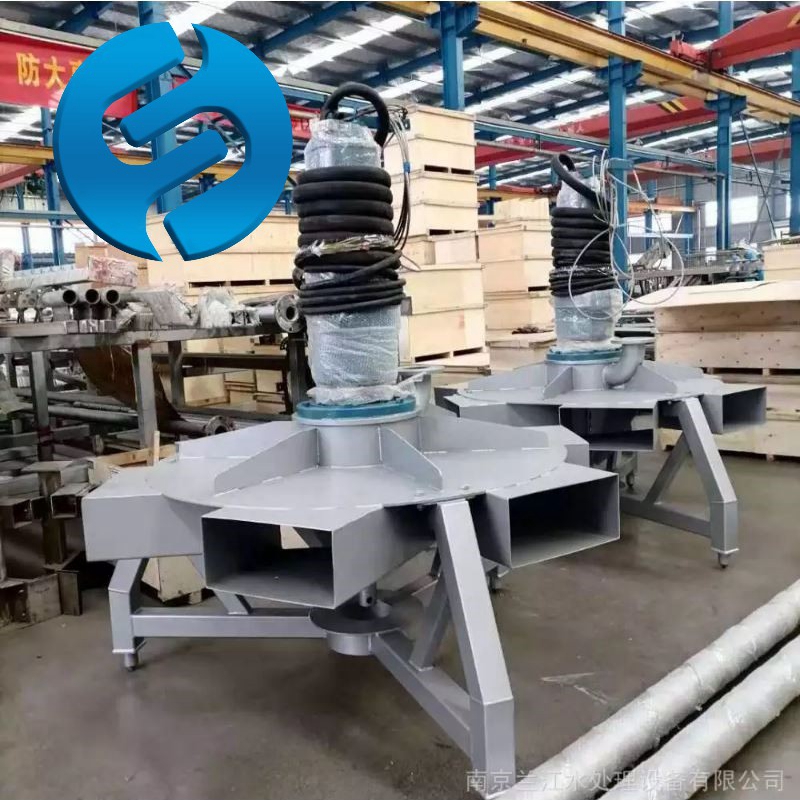
Aeration mixers are widely recognized as a foundational component in food processing wastewater treatment, where variable organic loads, suspended solids, and seasonal production shifts demand robust, adaptable process performance. Food processing wastewater often contains high concentrations of carbohydrates, proteins, fats, and residual food particles that can quickly degrade water quality, create odors, and place heavy stress on biological treatment systems if not properly managed. Effective aeration and mixing work together to create the stable hydraulic and environmental conditions that allow treatment processes to operate reliably, even when daily production volumes change significantly.
Role in Maintaining Consistent Biological Activity
In food processing facilities, biological treatment systems rely on aeration mixers to distribute oxygen evenly while preventing organic solids from settling into thick, anaerobic layers at the tank bottom. When flow patterns are consistent across the entire basin, microbial colonies remain fully suspended and exposed to both dissolved oxygen and incoming organic contaminants, which accelerates the breakdown of sugars, starches, and biodegradable fats that are characteristic of food processing waste. This uniform suspension also avoids localized over-aeration in some zones and under-aeration in others, which helps maintain a stable mixed liquor environment and prevents sudden swings in treatment performance that can happen when heavy organic loads enter the system after peak production shifts. Many operational teams have observed that well-calibrated mixing patterns reduce the risk of filamentous sludge bulking, a common issue in food processing systems that can cause poor settling and elevated effluent suspended solids.
Adaptability to Variable Food Production Waste Streams
Food processing operations often see dramatic changes in wastewater strength and flow, with high-load periods following harvest seasons, batch production cycles, or daily cleaning routines that release large amounts of food residues and sanitizing agents into the drain. Aeration mixers create flexible flow dynamics that help the treatment system absorb these shocks by rapidly homogenizing incoming wastewater, diluting sudden spikes in organic concentration, and preventing localized areas of low oxygen that could stall biological activity. For facilities that process different raw materials across seasons, such as fruit and vegetable canning, meat processing, or dairy production, the ability to maintain consistent mixing under widely varying load conditions reduces the need for frequent manual process adjustments and lowers the risk of non-compliant effluent discharges. This operational flexibility is especially valuable for facilities that do not have large equalization tanks to buffer every fluctuation in production output.
Impact on Sludge Management and Downstream Process Stability
Properly configured aeration and mixing performance directly improves the overall efficiency of sludge handling and downstream separation stages in food processing wastewater plants. When biological flocs remain uniformly suspended and well oxygenated, they develop denser, more settleable characteristics that reduce the volume of waste sludge generated over time. This makes subsequent thickening, dewatering, and sludge disposal operations more efficient and less prone to unexpected interruptions caused by poorly settling sludge or floating sludge layers. In aerobic digestion zones, continuous mixing also supports more complete stabilization of waste biological solids, reduces odor generation from partially degraded organic material, and helps avoid the buildup of heavy, organic-rich sediment that would otherwise require frequent, labor-intensive tank cleaning. These combined effects help extend the consistent operational runtime of the entire treatment train and reduce unplanned maintenance events that can interfere with regular food production schedules.
Post time:2026-11-04
