Application and Introduction
Traditional fixed bar screens often face problems such as difficult cleaning, pipe clogging, water quality deterioration during lifting, and lack of
manpower in small wastewater plants.
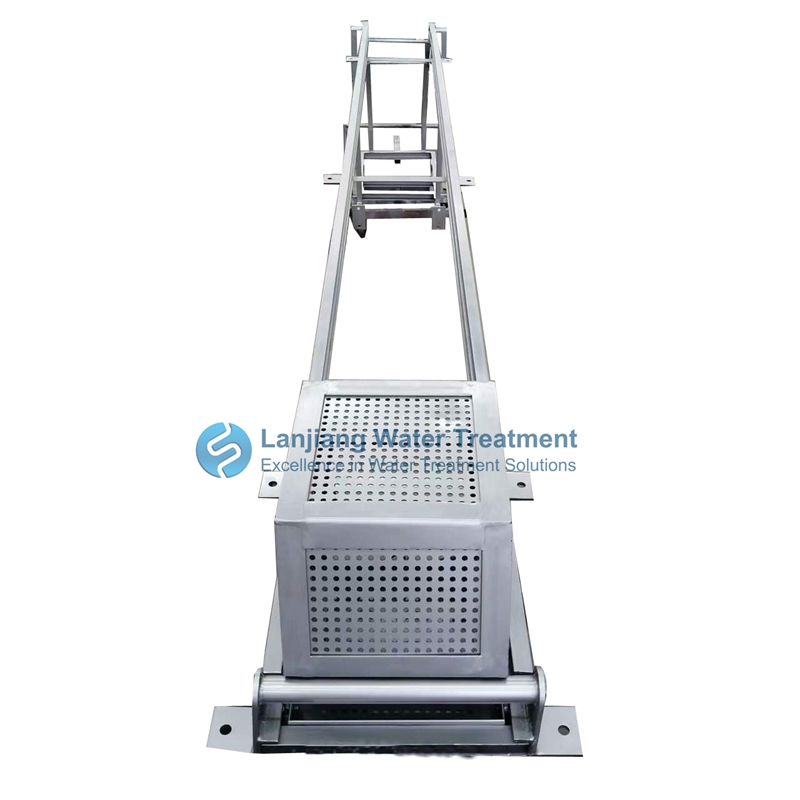
The Basket Bar Screen solves these pain points with a modular design that supports both manual and automatic filtration. It effectively removes
floating debris, sand, branches, and other visible pollutants, protects pumps and pipelines, reduces pollutant loads, and ensures a solid foundation for
downstream treatment processes.
Advantage
The equipment mainly consists of the following components: amphibious motor, reducer, machine body, cutting blades, gaskets, dual rotating shafts, intermediate support shaft, mechanical seal device, machine base, vertical rotating water-passing drum screen, automatic coupling device, overflow screen, and maintenance screen.
Saves Material – Lighter but stronger
Lower Investment – Less labor, less time, less cost
Quick Installation – Pre-assembled, bolt-on or weld-on
Time-Saving – No on-site processing needed
Reusable & Low Maintenance – Long service life
Customizable – Manual or motor-driven, mesh hole or slot type
Advantage
1. Determine the design hourly flow rate.
2. Select the corresponding model from the manufacturer’s catalog with a matching or close flow capacity.
3. Once the screen size is fixed, design the screen well accordingly.
(The screen well is a core structure, with the basket bar screen as its key component.)