Submarine Cable Laying Standards for Aeration Mixer Systems
When it comes to installing aeration mixers in wastewater treatment plants, lagoons, or industrial basins, the underwater cable run is often the most overlooked part of the project. Get it wrong, and you are looking at costly pull-outs, insulation failures, and downtime that nobody can afford. This guide breaks down the actual standards and best practices that engineers and contractors need to follow when running cables underwater to power aeration mixers.
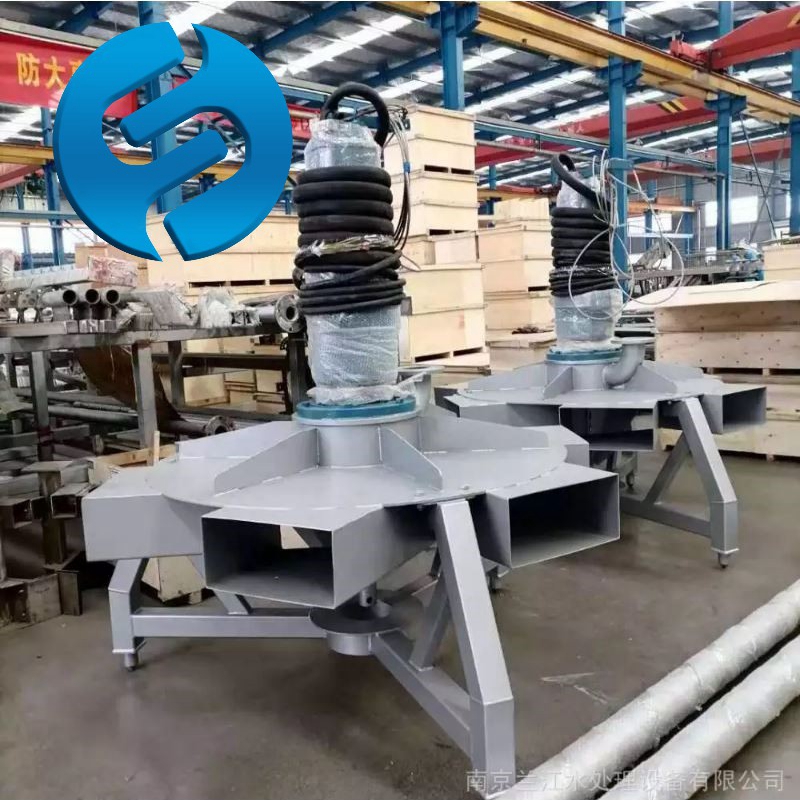
Choosing the Right Route Underwater
Route selection is not a guessing game. It is the foundation of everything that follows. For aeration mixer installations, the cable path should avoid areas with strong currents, soft or unstable sediment, and any zone where anchors, trawling nets, or heavy vessel traffic are common.
The ideal crossing point is where the water flow is slow, the bottom is firm, and the banks show no signs of erosion. Stay away from dock areas, ferry crossings, water control structures, and any planned dredging zones. If the aeration basin sits near a bridge, keep the cable at least 10 meters away from bridge piers to prevent scouring from undermining the burial depth over time.
For basins with multiple mixer units, the cable spacing matters. In non-navigable waterways where flow speed stays under 1 m/s, cables of the same circuit should be at least 0.5 meters apart, while different circuits need a minimum of 5 meters separation. In main navigation channels, spacing should not be less than 1.2 times the maximum water depth.
Burial Depth and Physical Protection Rules
Here is a rule that shows up in every standard: underwater cables must never float suspended in the water column. They have to sit on the bottom or be buried.
For aeration mixer cables crossing shallow water, the minimum burial depth is 0.5 meters. In deeper navigation channels or basins with significant vessel movement, that number jumps to 2 meters. The cable should be covered with a protective layer, whether that is sand, gravel, or concrete slabs, to shield it from anchors and dragging equipment.
When the cable reaches the shore, things get tricky. The transition zone from water to land is the most vulnerable section. The cable must be routed through a protective pipe or trench, with the lower end of the protection extending at least 1 meter below the lowest water level and the upper end rising above the highest flood mark. If the bank is unstable, lay the cable in a serpentine or loop pattern to allow for future settling and movement without putting tension on the connection points.
Cables crossing small streams or inlet channels can use pipe-jacking methods instead of open trenching, which reduces disturbance to the surrounding environment.
Tension Control and Laying Methods
Pulling a cable across a basin floor is not the same as dragging it. Dragging on the bottom will destroy the sheath and compromise waterproofing, especially for the heavy-duty cables that aeration mixers demand.
The cable must be supported during laying. Use buoyancy aids or float drums so the cable stays suspended in the water column while being guided into position. Only when it reaches the designated burial point should it be gently lowered to the bottom.
The entry angle into the water, measured from the horizontal, should stay between 30 and 60 degrees. Angles steeper than 60 degrees create excessive tension and risk cable coiling. Angles shallower than 30 degrees increase pull force and can damage the jacket.
For traction speed, controlled pull methods should run at 20 to 30 meters per minute. Self-propelled or tug-towed methods can go faster, around 90 to 150 meters per minute, but only when the cable type and water conditions support it.
No joints are allowed in the underwater section. If the cable length exceeds the manufacturing capacity, a soft joint is the only acceptable alternative. Every joint location must be above water, accessible, and protected in a sealed junction box.
Shore Landing and Anchoring Requirements
When the cable comes ashore to connect to the aeration mixer control panel, the excess length must be fully floated on the surface before being pulled onto land. Keeping tension on the cable during this transition prevents it from snapping back or pulling the underwater section out of position.
Once on land, the cable must be secured with an anchoring device. The shore-side section should run through conduit, cable trays, or trench systems. Work wells should be placed every 50 meters or at every bend and joint to allow for future inspection and maintenance.
At the basin floor, near the mixer mounting points, the cable often needs an S-bend or loop with a bending radius of at least 1 meter. This acts as a mechanical anchor and gives you slack for future repairs. In areas with soft soil or high scour risk, drive a stake or use a pile anchor to hold the cable in place.
Warning Signs and Post-Installation Verification
Both banks of the underwater cable route must carry visible warning signs in accordance with navigational buoy standards. For rivers under 50 meters wide, one sign on each bank upstream and downstream is the minimum. Wider waterways need signs on both banks at both ends. The signs should face the river at a 25 to 30 degree angle and clearly state "No Anchoring."
After installation, a diver or ROV inspection is mandatory. The cable must be confirmed flat on the bottom with no悬空 sections, especially over uneven terrain. Burial depth should be measured and recorded. All underwater footage, depth logs, and as-built drawings must be archived and handed over to the operations team.
For basins that serve as drinking water sources or sit in ecologically sensitive areas, use low-disturbance equipment, avoid construction during fish spawning seasons, and ensure all slurry or wash water is settled before discharge.
Following these standards is not optional. It is what separates a cable installation that lasts twenty years from one that fails in two.
Post time:2026-06-16
