Remote water aeration mixer selection follows a different logic from standard facility-based projects, since site access, power supply limits, and long-term unattended operation become far more important than they are in urban or industrial settings. Many engineering teams apply standard selection rules to remote locations, only to run into unexpected issues that delay deployment, raise maintenance costs, and reduce long-term system performance. A practical, field-tailored selection process can help you avoid these common pitfalls and deliver a setup that works reliably even in hard-to-reach water environments.
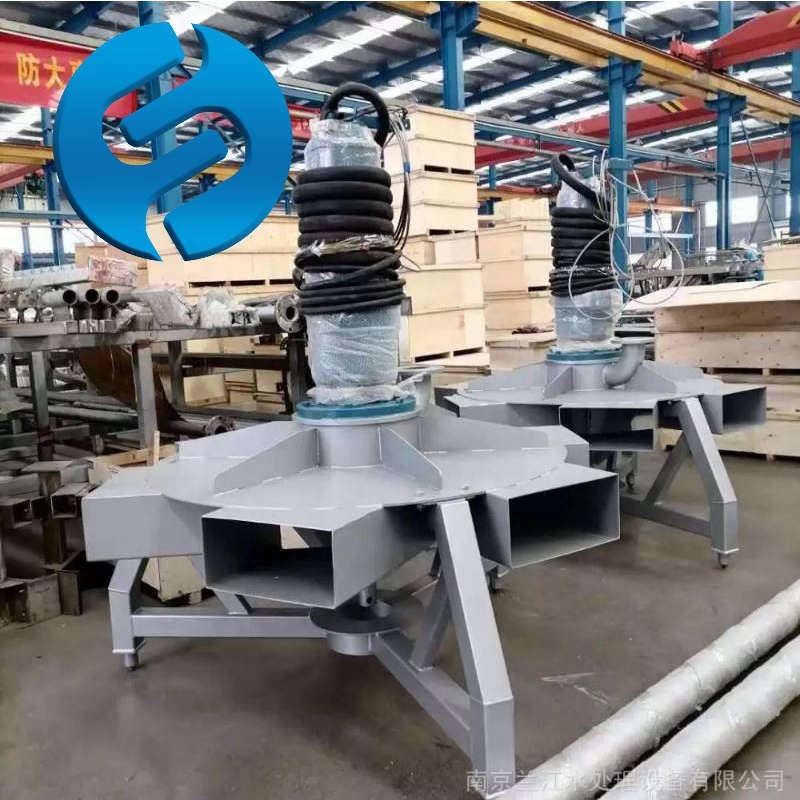
Mapping core site constraints before equipment selection
The very first step in remote water aeration mixer planning is to document every on-site condition that will affect installation, operation, and future service. You need to record exact water depth across all planned placement zones, along with seasonal water level fluctuations that can shift by several meters throughout the year. Note the water’s salinity, total suspended solids, and presence of corrosive compounds, since these factors directly impact material durability and long-term wear. Document the nearest access point, available transportation methods, and maximum load capacity for paths leading to the water edge, as these details will shape every subsequent choice around equipment size and installation logistics. You should also confirm what power sources are available on site, whether that means grid access, standalone generation, or off-grid renewable supply, to make sure your final selection aligns with real-world energy limits.
Prioritizing installation and deployment simplicity
In remote water locations, a mixer that performs perfectly on paper can fail completely if it requires specialized tools, heavy lifting equipment, or large work crews to put in place. Modular, lightweight component designs let small field teams transport parts manually over narrow trails, small boats, or rough terrain without needing heavy machinery. Quick-connection assembly points eliminate complex on-site welding or custom fabrication, cutting total installation time down from multiple days to a few hours. Floating mounting frames that can be assembled on shore before being towed into position remove the need for divers or underwater construction work in deep or hard-to-reach sections of the water body. All these small design choices add up to a deployment process that is far less likely to be delayed by bad weather, limited site access, or logistical gaps in remote locations.
Designing for low-maintenance long-duration operation
Once your aeration mixer is in place in a remote water area, sending a service team out for repairs or part replacement will cost far more than it would for an easily accessible site, so selection must prioritize minimal ongoing intervention. Pick designs with few moving submerged parts, since fewer points of potential failure mean fewer unplanned service visits over the system’s service life. Choose configurations that let operators inspect core performance metrics remotely, so you can spot abnormal operation long before a small issue turns into a full system shutdown. Self-clearing flow paths and anti-clog inlet designs reduce the chance of debris, aquatic vegetation, or sediment blocking the mixer during months of unattended running. All wear-prone components should be designed for easy replacement without pulling the entire main unit out of the water, which drastically cuts the time, labor, and cost of any necessary future maintenance.
Aligning mixer performance with remote water body needs
Performance sizing for remote aeration mixers should focus on real, practical mixing and oxygen transfer goals rather than overspecifying to match maximum theoretical outputs. Start by defining the exact treatment targets for the water body, whether that means reducing sediment stratification, boosting dissolved oxygen levels for aquatic life, or supporting natural microbial breakdown of organic matter. Match mixer flow patterns to the specific shape and flow characteristics of the water body, making sure the generated circulation covers the full target zone without leaving dead spots that defeat treatment goals. Account for seasonal changes in water temperature, ice cover, and biological activity, so the system still delivers effective mixing even under the harshest local operating conditions. This targeted, site-specific approach ensures you get consistent, reliable performance without unnecessary complexity that would only create extra problems in a remote, hard-to-service location.
Post time:2026-10-07
