When working on aeration mixer projects, noise control often becomes one of the most overlooked but critical parts of a successful installation. Many teams focus entirely on mixing efficiency and oxygen transfer rates, only to discover later that excessive operational noise creates compliance issues, worker discomfort, and complaints from nearby residential areas. A proper noise reduction selection process should start long before equipment arrives on site, not as a last-minute fix added after installation is complete.
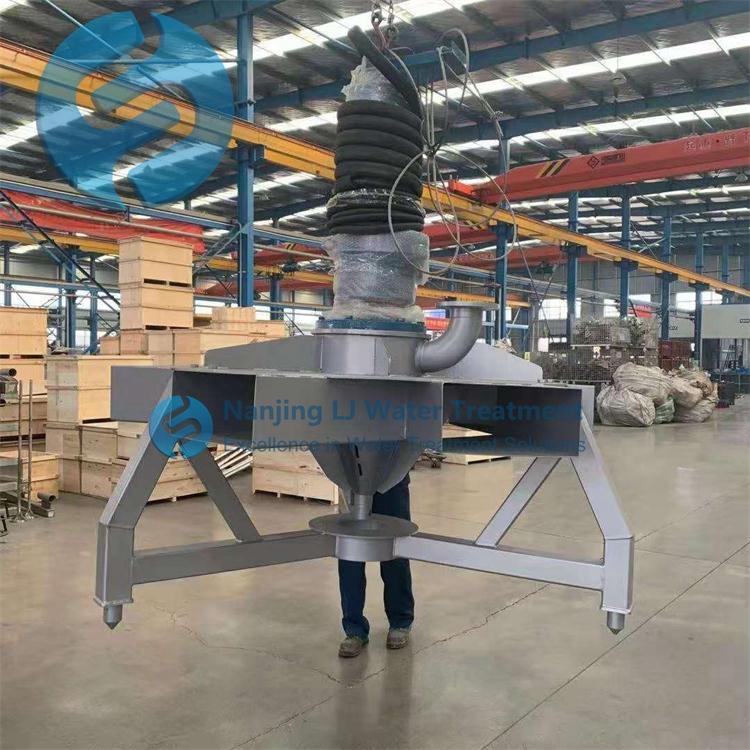
Understanding baseline noise sources in aeration mixer systems
Every component in an aeration mixer setup contributes to overall sound output, and identifying these individual sources helps you target noise reduction measures far more effectively. Mechanical vibration from rotating shafts, impellers, and drive units generates structure-borne noise that travels through mounting bases and connected piping. Aeration turbulence inside the mixing chamber and discharge lines creates broadband flow noise that radiates outward through equipment surfaces. Air intake and exhaust paths often act as open sound ports, allowing high levels of compressed air noise to escape directly into the surrounding workspace. Even small accessories like valves, quick-disconnect fittings, and flexible hoses can amplify sound if they are not properly rated for continuous high-flow operation.
Setting compliant noise level targets for different operating environments
Different installation sites come with very different noise limits, and selecting the right aeration mixer noise control setup means matching your design to those specific site rules. Industrial facilities usually follow standard workplace noise guidelines that limit long-term worker exposure to safe, non-damaging decibel ranges across full work shifts. Laboratory and indoor process spaces require much lower sound levels to maintain a comfortable working atmosphere and prevent interference with sensitive nearby instruments. Outdoor installations located close to neighborhoods, public parks, or residential properties often must meet strict local environmental noise ordinances that apply during daytime, evening, and late-night hours. Before you finalize any selection, map out the exact operating hours, nearby occupied spaces, and applicable noise standards that your system will need to satisfy.
Practical noise reduction methods for aeration mixer installations
Several proven, field-tested approaches work together to bring aeration mixer noise down to acceptable levels without hurting process performance. Vibration isolation pads installed under all mounting bases prevent structure-borne sound from traveling into floors, platforms, or adjacent equipment frames. Specially designed silencing components placed at air intake and exhaust points cut airflow noise dramatically while maintaining full system pressure and flow capacity. Acoustic treatment applied inside equipment enclosures uses high-density sound-absorbing materials that trap internal sound energy and stop it from radiating outward into the surrounding area. Duct and piping silencers matched to the exact diameter and flow velocity of your system deliver targeted insertion loss across the full frequency range of typical aeration noise. Proper alignment of drive components, regular balancing of rotating parts, and correct lubrication schedules also keep operational noise from creeping up over months and years of continuous use.
Matching noise control selections to system performance requirements
The best noise reduction choices never force you to trade aeration mixer performance for quieter operation. Every silencer, acoustic panel, and vibration mount should be evaluated for pressure drop, airflow capacity, and long-term durability before being added to your system. Low-back-pressure silencing designs ensure that your oxygen transfer rates and mixing power stay consistent, even after noise control upgrades are fully installed. Acoustic enclosure layouts must preserve proper ventilation and cooling around motors and drive units to prevent overheating during extended operation. All selected noise control components should fit easily into both new construction projects and retrofit upgrades for existing aeration mixer systems that already operate on site. This balanced approach guarantees that you meet noise compliance rules while keeping your process running reliably and efficiently for years of continuous service.
Post time:2026-10-07
