Corrosion protection for aeration mixers begins long before the equipment is installed, with a clear understanding of the water chemistry it will operate in. The primary corrosive agents in wastewater and industrial process water typically include dissolved oxygen (a necessary component for aeration, yet a driver of oxidation), chlorides, sulfides, ammonia, and varying pH levels. A comprehensive water analysis provides the baseline data needed to select appropriate construction materials and plan a targeted maintenance schedule. The goal is not to eliminate corrosion entirely—often an impractical aim—but to manage its rate and form to extend service life and maintain reliable performance.
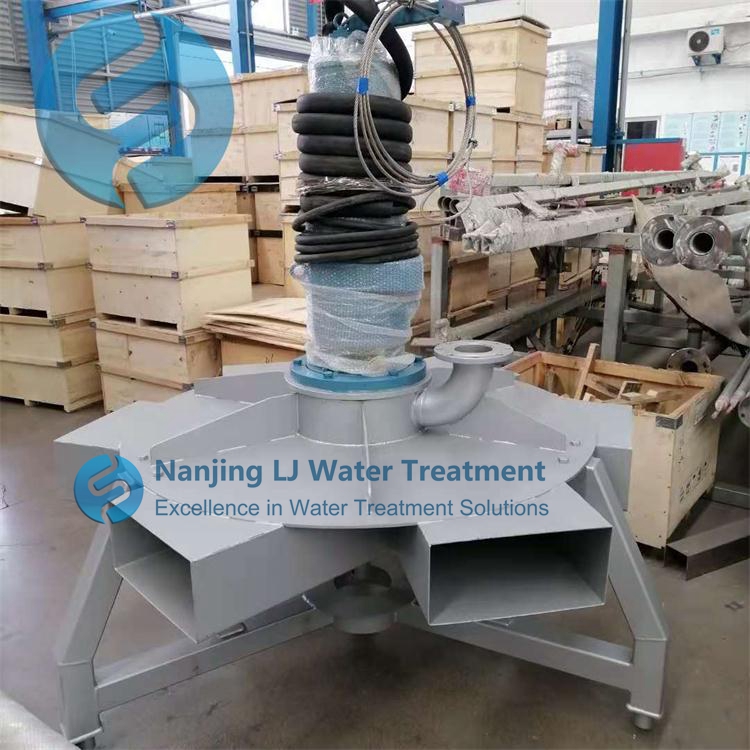
Operational practice plays a critical role in corrosion control. A common but damaging scenario is intermittent operation or frequent shutdowns. When an immersed mixer is stopped, the protective passive layer on stainless steel components can break down in stagnant, oxygen-depleted water, leading to accelerated localized pitting upon restart. Maintaining consistent operation, even at reduced speeds, is often preferable to frequent on/off cycling. For systems that must be taken offline, implementing proper lay-up procedures—such as flushing with clean, treated water or applying protective coatings—is essential.
Material Selection and Protective Barrier Strategies
The cornerstone of corrosion management is selecting materials compatible with the specific water chemistry. For many applications, 316L or 2205 duplex stainless steels offer good resistance to chlorides and general corrosion. For highly aggressive environments with high chloride or sulfide content, more resistant alloys like super duplex stainless steels or nickel alloys may be necessary. It is crucial to match the material grade not just to the bulk water, but also to conditions in crevices and under deposits, where corrosive agents can concentrate.
Protective barriers are the next line of defense. This includes high-performance industrial coatings and cathodic protection systems. Epoxy, polyurethane, or fluoropolymer coatings must be applied to a properly prepared, clean, and dry substrate to ensure adhesion. Any pinholing or damage during installation creates a focal point for corrosion. For submerged metallic components, sacrificial anode systems (using zinc, aluminum, or magnesium anodes) or impressed current systems can be designed to protect large surface areas by making the mixer housing the cathode in an electrochemical cell, thereby suppressing the corrosion reaction.
Mechanical Design to Mitigate Corrosive Mechanisms
The physical design of the mixer directly influences corrosion rates. Areas of stagnant flow, crevices, and under deposits are hotspots for accelerated attack. Designs should minimize bolted joints, sharp corners, and pockets where solids can settle. If bolts are necessary, they should be made of a material equal to or more noble than the main housing to avoid galvanic corrosion.
Erosion-corrosion, a combined mechanical and chemical wear process, is a significant threat to impellers and areas near the discharge. High fluid velocity and suspended solids remove the protective surface layer, exposing fresh metal to corrosive attack. Selecting hardened materials or applying wear-resistant coatings or weld overlays in these high-wear zones can dramatically slow this process. Ensuring the mixer operates within its designed flow range, not at excessive speeds that cause cavitation, also minimizes this risk.
Proactive Inspection and Condition Monitoring Regime
A scheduled inspection program is non-negotiable for effective corrosion management. This involves both visual checks and non-destructive testing (NDT). During routine maintenance downtime, a thorough visual inspection should document the condition of coatings, look for signs of pitting, crevice corrosion, or galvanic attack at dissimilar metal contacts, and check for buildup of deposits.
More advanced techniques include ultrasonic thickness testing to monitor wall thinning over time, particularly in areas prone to erosion-corrosion. For critical stainless steel components, checking for the integrity of the passive oxide layer can be performed. Establishing baseline measurements after installation and tracking changes over successive inspections allows for predictive maintenance, enabling intervention—such as local repair, coating touch-up, or anode replacement—before a failure occurs.
Operational Adjustments and Chemical Treatment Support
While the mixer itself is a mechanical device, its corrosion rate is heavily influenced by the system's operational parameters. Adjusting the mixer's depth or orientation can sometimes move it out of a particularly aggressive water layer, such as one with high hydrogen sulfide concentration. Ensuring proper alignment and balance reduces vibration, which can fatigue materials and crack protective coatings.
In some systems, complementary water treatment can be employed. This may involve pH adjustment to keep the water in a less corrosive range for the materials of construction, or the use of corrosion inhibitors. Any chemical treatment must be evaluated for its compatibility with the biological process (in wastewater) and its effectiveness in protecting the specific metals used in the mixer assembly.
Post time:2026-09-03
