Intermittent operation of aeration mixers is a common setup in many water treatment systems, where units run for set periods and then pause completely to match variable process demands, reduce unnecessary energy consumption, or support staged biochemical reaction cycles. This operating mode places unique stress on equipment that constant run systems never face, making targeted selection far more critical than picking a standard continuous duty model. A properly selected intermittent operation unit will maintain stable performance through thousands of start-stop cycles, while a poorly matched one will suffer from premature wear, inconsistent mixing, and unexpected downtime.
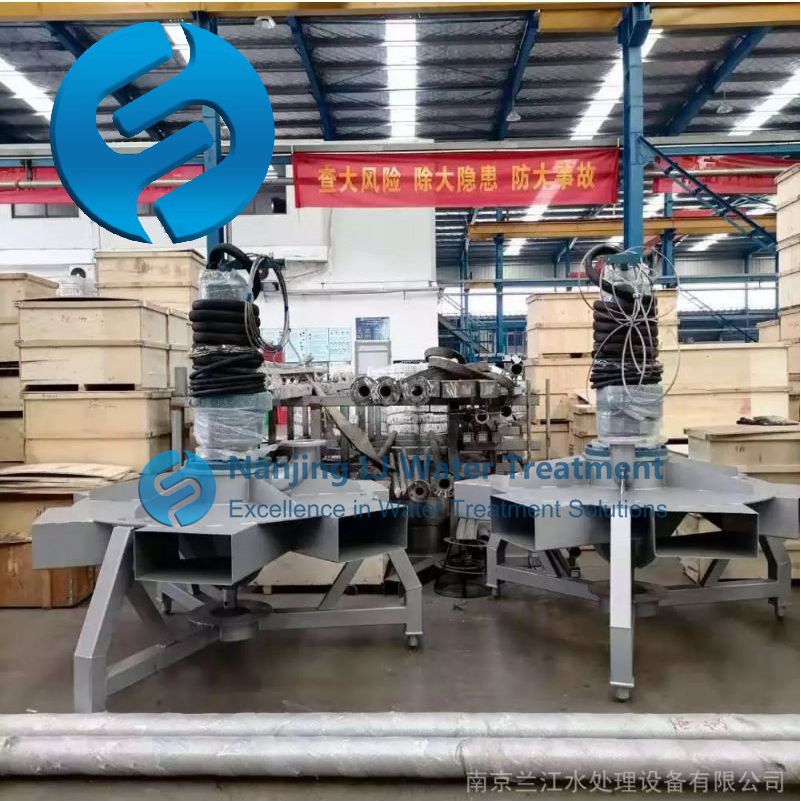
Start-Stop Cycle Mechanical Durability
The most foundational factor for intermittent operation selection is the system’s ability to withstand repeated full power startups and sudden shutdowns over long term use. Every startup creates an instantaneous torque spike far higher than normal running load, and every shutdown brings rapid deceleration that puts extra stress on rotating components. Units designed for intermittent duty must handle these repeated load shocks without suffering shaft deformation, seal failure, or internal component loosening even after tens of thousands of cycles. This prevents unexpected breakdowns that can leave tanks unmixed for extended periods, leading to solid settling and water quality deterioration.
Rest Period Anti-Clogging Design
When an aeration mixer stays idle for several hours or longer between operating cycles, stagnant water and suspended solids can seep into internal flow channels and openings. Over multiple rest cycles, accumulated sediment can harden and block critical flow paths, making the next startup much less efficient or even impossible. Intermittent operation models need structures that prevent solids from settling inside aeration passages during idle periods, so no residual buildup remains to disrupt air and water mixing when the unit restarts. This eliminates the need for frequent manual cleaning that would otherwise be required to keep the system functional.
On-Demand Oxygen Transfer Response Speed
In intermittent operation workflows, the aeration mixer needs to reach full rated mixing and oxygen delivery performance almost immediately after startup, rather than taking several minutes to ramp up to effective working state. Many standard continuous run units take extended time to build up proper bubble distribution and full flow circulation, which leaves the tank under aerated during critical reaction windows. The right intermittent operation design can generate uniform fine bubble patterns and push full circulation across the entire tank volume within seconds of activation, ensuring dissolved oxygen levels rise to target range fast enough to support scheduled biochemical reactions. This fast response also prevents unnecessary extended runtime that would erase the energy savings the intermittent schedule is meant to deliver.
Rest Period Flow State Compatibility
Different intermittent process layouts have different requirements for what happens in the tank when the mixer is paused. Some systems allow full settling of suspended sludge during rest phases, while others require gentle background flow to keep partial suspension even when the main aeration mixer is off. The selected unit must align with these specific rest period expectations, so it does not create unintended flow drag when idle, or leave unexpected dead zones that cause uneven sludge deposition across the tank floor. Proper alignment here ensures that when the next operating cycle begins, the mixer can re-suspend settled solids evenly without needing extra high power bursts to break up thick sediment layers.
Cycle Duration Calibration for Wear Distribution
Not all intermittent run schedules are identical, and the selected unit must be calibrated to match the exact on-off timing pattern of the specific facility. Systems that run 15 minutes on and 45 minutes off place very different stress patterns than units that run 4 hours on and 2 hours off, and components need to be engineered to distribute wear evenly across that exact cycle profile. Matching the unit’s design cycle rating to the actual operating schedule prevents uneven aging of key parts, extending overall service life and keeping consistent mixing performance through years of repeated intermittent use.
Post time:2026-09-24
