Proper lubrication of aeration mixer transmission components directly influences operational stability, reduces unnecessary friction loss, and extends the overall service life of core moving parts. Without a structured maintenance schedule, unplanned downtime can increase significantly, while inconsistent lubricant application may lead to uneven wear across gears, chains, and bearing assemblies that support continuous mixing and oxygen transfer in water treatment environments.
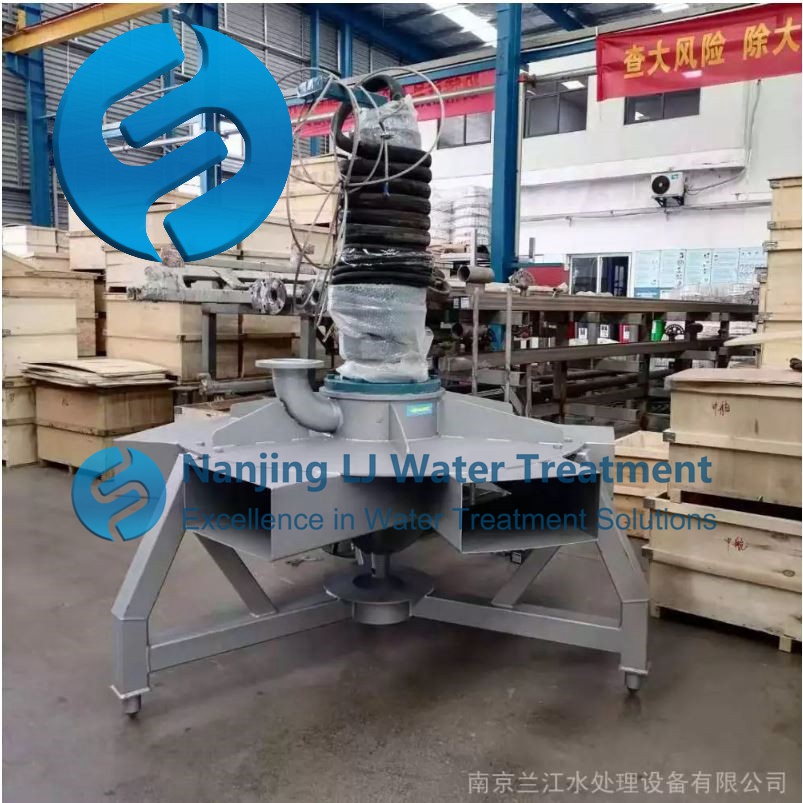
Transmission Belt and Chain Tension Check Intervals
Regular tension inspection forms the foundation of reliable power transfer between the drive motor and the mixing shaft. For belt-driven aeration mixers, tension verification should be performed every two months under normal operating conditions, with additional checks scheduled after periods of high load or extended continuous operation. Overly loose belts reduce rotational speed at the mixing end, lowering overall mixing efficiency and disrupting consistent dissolved oxygen distribution across the treatment basin. Overly tight belts, by contrast, place excessive radial stress on adjacent bearing surfaces, accelerating premature wear and increasing steady-state motor current draw. For chain-driven configurations, visual inspection of link engagement, surface wear marks, and slack accumulation should be completed during each weekly routine walkthrough, with minor tension adjustments made incrementally to avoid sudden shifts in shaft alignment.
Gear and Sprocket Lubrication Frequency
Open and enclosed gear sets, along with mounted sprockets that interface with drive chains, require scheduled lubricant replenishment based on actual operating intensity and surrounding environmental conditions. Under typical continuous operation in municipal wastewater treatment settings, these components should receive fresh lubricant every seven to fourteen days, following the exact specifications outlined in the original equipment technical documentation. Before applying new lubricant, technicians should first wipe away residual buildup of old grease, accumulated sludge splatter, and fine particulate debris that can adhere to tooth surfaces and create abrasive wear points. During each application, operators should also inspect for signs of lubricant leakage around seal points, as unaddressed leaks can lead to sudden lubricant depletion and catastrophic gear tooth scoring during extended runtime.
Bearing Assembly Grease Service Intervals
Bearing assemblies that support the high-speed rotation of the mixing shaft represent the most critical lubrication point in the entire aeration mixer transmission system. Under normal load conditions with moderate water depth and consistent rotational speed, re-greasing should be carried out every one to three months, with shorter intervals applied in facilities that process high-strength industrial wastewater or operate at elevated mixing speeds. When introducing fresh grease, technicians must ensure even distribution across the entire bearing cavity, avoiding overfilling that can trap excess heat and cause steady operating temperatures to rise beyond safe design limits. Insufficient grease application, on the other hand, leaves rolling elements and race surfaces vulnerable to metal-to-metal contact, generating abnormal vibration that propagates along the shaft and disturbs stable aeration patterns across the basin.
Auxiliary Moving Part Lubrication Schedule
Beyond the primary transmission path, secondary moving components such as discharge gate pivot shafts, inlet hatch hinge points, and manual adjustment linkages also require periodic lubrication to maintain smooth manual and automated operation. These components should be serviced approximately every two months, using either light machine oil or specialized grease matched to the specific motion characteristics of each part. Regular lubrication at these points prevents seizing caused by prolonged exposure to humid, sludge-laden air, ensuring that routine inspection, basin draining, and internal cleaning procedures can be completed without unnecessary mechanical resistance or unexpected operational delays.
Post time:2026-08-17
