Fixed Aeration Mixer Mounting Standards
Fixed aeration mixers are widely used in wastewater treatment plants, industrial reaction tanks, biological treatment basins, and water circulation systems. Proper fixing standards are essential for maintaining operational stability, improving aeration efficiency, and reducing long-term mechanical wear. A well-designed mounting structure also helps ensure safe operation under continuous working conditions.
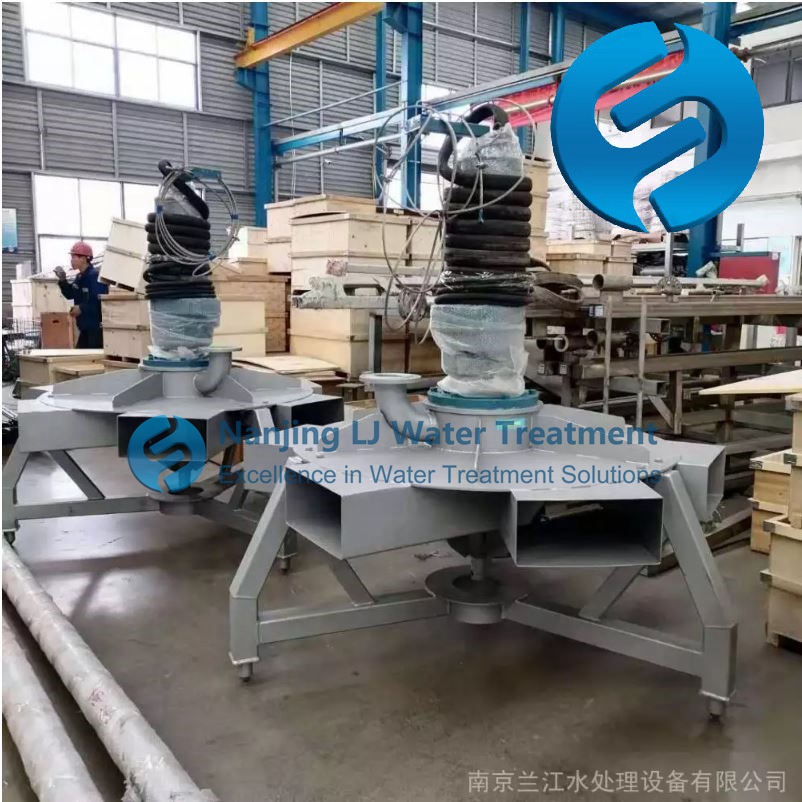
Foundation Installation Requirements
The stability of a fixed aeration mixer largely depends on the quality of the supporting foundation.
Reinforced Base Structure
The installation base should provide sufficient strength to support the equipment weight and operational load. Reinforced concrete foundations are commonly used to minimize vibration and maintain long-term structural stability.
Level Surface Preparation
The mounting surface must remain level before installation begins. Uneven foundations can create alignment problems, increase vibration, and reduce equipment lifespan during continuous operation.
Load-Bearing Capacity Verification
Before fixing the mixer, the supporting structure should be checked to ensure it can withstand dynamic operating forces, water pressure variations, and long-term rotational stress.
Anchor Bolt Fixing Standards
Anchor bolts are critical components in maintaining secure equipment positioning.
Accurate Bolt Positioning
Anchor bolt holes should match the mounting dimensions precisely. Incorrect spacing can affect alignment accuracy and create unnecessary mechanical stress on the equipment frame.
Corrosion-Resistant Fasteners
Because aeration systems often operate in humid or chemically active environments, fastening components should have strong corrosion resistance to prevent loosening or structural degradation.
Proper Tightening Procedure
Bolts should be tightened evenly according to installation specifications. Balanced fastening pressure helps maintain structural stability and reduces vibration during operation.
Support Frame Installation Standards
The support frame directly affects the operational balance of the aeration mixer.
Rigid Structural Design
The frame should provide sufficient rigidity to resist deformation caused by rotational movement and liquid turbulence. Stable support structures improve operational reliability.
Vibration Reduction Measures
Shock-absorbing pads or vibration isolation components are often installed between the mixer and supporting structure. These measures help reduce mechanical stress and noise transmission.
Alignment Accuracy Control
The motor shaft, impeller, and support frame must remain properly aligned. Misalignment can increase bearing wear and reduce mixing efficiency.
Underwater Installation Positioning
Correct installation depth and positioning are important for efficient aeration performance.
Appropriate Submersion Depth
The aeration mixer should be installed at a depth that supports efficient oxygen transfer and liquid circulation. Improper depth may reduce aeration performance or create unstable flow conditions.
Clearance From Tank Bottom
Adequate spacing between the impeller and tank floor helps prevent sediment accumulation and minimizes the risk of blockage caused by sludge or solid particles.
Balanced Flow Distribution
The installation position should allow even liquid circulation throughout the tank. Proper placement helps eliminate stagnant areas and improves treatment consistency.
Electrical Fixing and Cable Standards
Electrical installation quality directly affects operational safety and reliability.
Waterproof Cable Routing
Power cables should be secured using waterproof protective conduits or cable clamps. Proper routing helps prevent abrasion, water intrusion, and accidental cable movement.
Stable Electrical Connection Points
Connection terminals must remain dry, vibration-resistant, and securely fastened. Reliable electrical connections reduce the risk of operational interruptions.
Grounding Protection Measures
Grounding systems should comply with electrical safety requirements to minimize risks associated with leakage current and equipment malfunction.
Maintenance Access Requirements
Proper fixing standards should also consider future maintenance efficiency.
Reserved Maintenance Space
Sufficient clearance around the mixer allows easier access for inspection, cleaning, and repair activities. Crowded installation layouts can complicate maintenance procedures.
Lifting and Removal Arrangement
Fixed aeration mixers are often equipped with lifting points or guide structures to simplify removal during servicing operations.
Inspection Accessibility
Critical components such as seals, bearings, and fastening systems should remain accessible for routine inspection without requiring major disassembly.
Long-Term Operational Stability Standards
Continuous operation places significant demands on the fixing structure.
Resistance to Continuous Vibration
The mounting system should maintain stability during prolonged high-speed operation. Durable structural fixing reduces fatigue damage over time.
Corrosion Prevention for Structural Components
Protective coatings and corrosion-resistant materials help extend the service life of mounting frames and fastening systems in harsh treatment environments.
Periodic Fastening Inspection
Regular inspection of bolts, support frames, and connection points helps identify loosening or structural wear before operational problems occur.
Post time:2026-05-19
