Installation Methods for Mobile Aeration Mixers
Mobile aeration mixers are commonly used in wastewater treatment, aquaculture systems, industrial liquid circulation, and temporary water treatment projects. Their flexible mobility and convenient deployment make them suitable for applications where fixed aeration systems are not practical. Proper installation methods play an important role in ensuring stable mixing performance, efficient oxygen transfer, and long-term operational reliability.
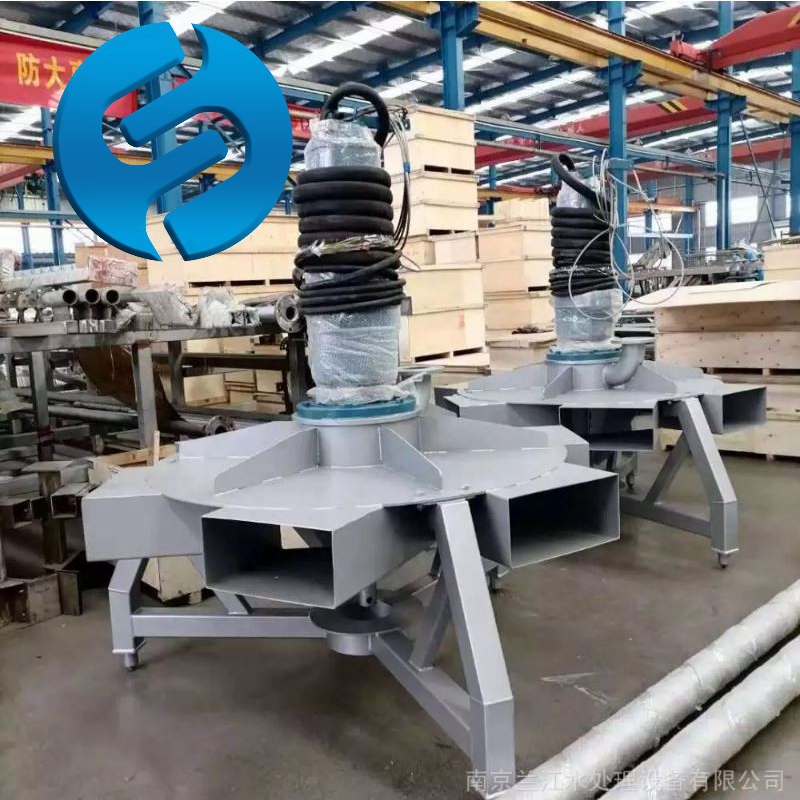
Floating Installation Method
Floating installation is one of the most widely used methods for mobile aeration mixers because it allows flexible positioning and easy relocation.
Floating Platform Support Structure
The mixer is mounted on a floating frame or buoyancy platform that keeps the equipment stable on the water surface. The floating structure automatically adjusts to changing water levels, making it suitable for ponds, lagoons, and open treatment basins.
Anchor Positioning System
Anchoring cables or fixed guide ropes are commonly used to prevent excessive drifting caused by water movement or wind. Proper anchor placement helps maintain consistent aeration coverage throughout the treatment area.
Adjustable Working Depth
The aeration unit can often be adjusted vertically beneath the floating platform. This flexibility allows operators to optimize oxygen transfer and circulation performance according to water depth and treatment conditions.
Rail-Guided Installation Method
Rail-guided systems are frequently used in treatment tanks that require periodic equipment movement and convenient maintenance access.
Guide Rail Assembly
The mixer is connected to a vertical or inclined guide rail structure installed along the tank wall. This arrangement allows smooth lifting and lowering of the equipment without draining the tank.
Secure Sliding Mechanism
A stable sliding bracket helps maintain alignment during installation and removal. The guided movement reduces the risk of equipment damage during maintenance procedures.
Simplified Inspection Access
Rail-mounted installation improves accessibility for routine inspection, cleaning, and servicing. Maintenance personnel can remove the unit quickly without extensive disassembly work.
Portable Frame Installation
Portable frame installation is suitable for temporary projects or treatment systems that require flexible deployment.
Mobile Support Base
The mixer is mounted on a movable support frame equipped with wheels or transport brackets. This structure allows rapid relocation between multiple treatment areas.
Fast Equipment Deployment
Portable installation minimizes construction requirements because permanent mounting structures are not necessary. This method is often used in emergency wastewater treatment operations or temporary industrial projects.
Flexible Operating Positions
Operators can reposition the equipment according to changing process demands. Flexible placement improves circulation efficiency in tanks with varying liquid flow patterns.
Fixed Edge Installation Method
In some applications, mobile aeration mixers are installed near tank edges while still maintaining partial mobility.
Sidewall Mounting Brackets
Support brackets are attached to the edge of the treatment tank to secure the mixer assembly. The structure provides operational stability while allowing limited positional adjustment.
Swing Arm Configuration
Some systems use adjustable swing arms that extend the mixer into the liquid. This arrangement allows operators to modify aeration angles and mixing direction based on treatment requirements.
Space-Saving Arrangement
Edge-mounted installation reduces obstruction within the treatment tank and helps preserve working space for other equipment or maintenance activities.
Submerged Installation Configuration
Certain mobile aeration mixers are designed for submerged operation below the liquid surface.
Underwater Suspension Structure
The equipment is suspended using cables, chains, or lifting brackets. This installation method supports deeper aeration and improves circulation in large tanks.
Stable Underwater Positioning
Counterweights or support frames help maintain stable underwater positioning during operation. Proper stabilization prevents excessive movement caused by liquid turbulence.
Reduced Surface Disturbance
Submerged installation minimizes splashing and surface turbulence while maintaining efficient oxygen transfer beneath the liquid surface.
Electrical and Safety Installation Considerations
Proper electrical installation is essential for safe and reliable operation.
Waterproof Cable Protection
Power cables should use waterproof protective sleeves and secure routing systems to prevent moisture intrusion and mechanical damage.
Stable Power Connection Layout
Electrical connection points must remain dry and protected from vibration. Secure connections reduce the risk of operational interruptions during continuous use.
Maintenance Clearance Requirements
Adequate installation space should be reserved around the equipment for inspection and servicing. Proper clearance simplifies maintenance and improves operational safety.
Post time:2026-05-18
