News
-
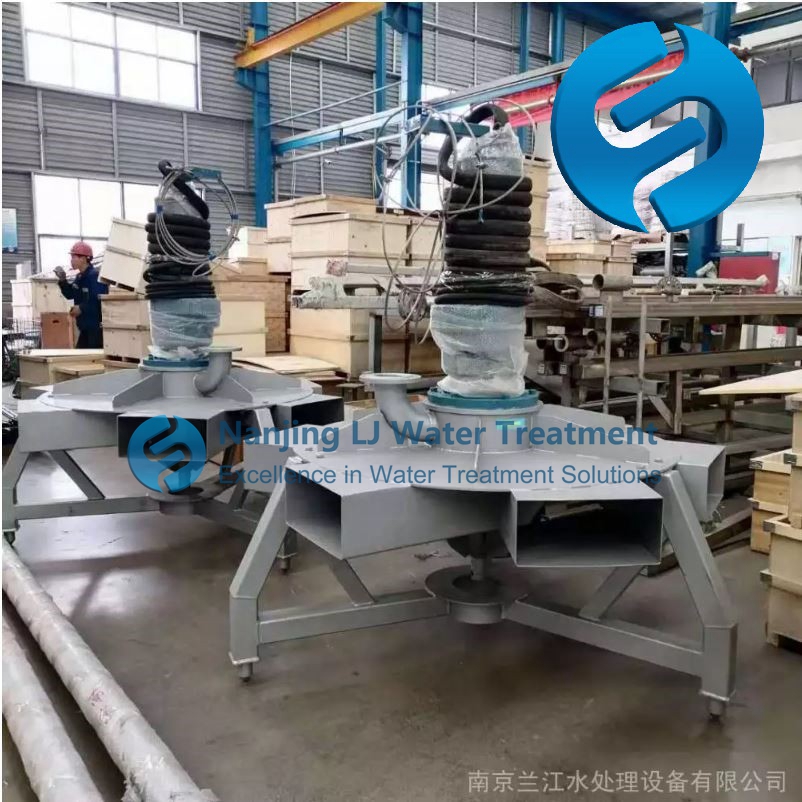
Maintenance key points for the waterproof parts of the aeration mixer motor
Before you carry out any inspection or maintenance work on the motor, always cut off the full power supply from the main distribution panel and confirm there is no residual voltage with a professional testing tool.Read more -
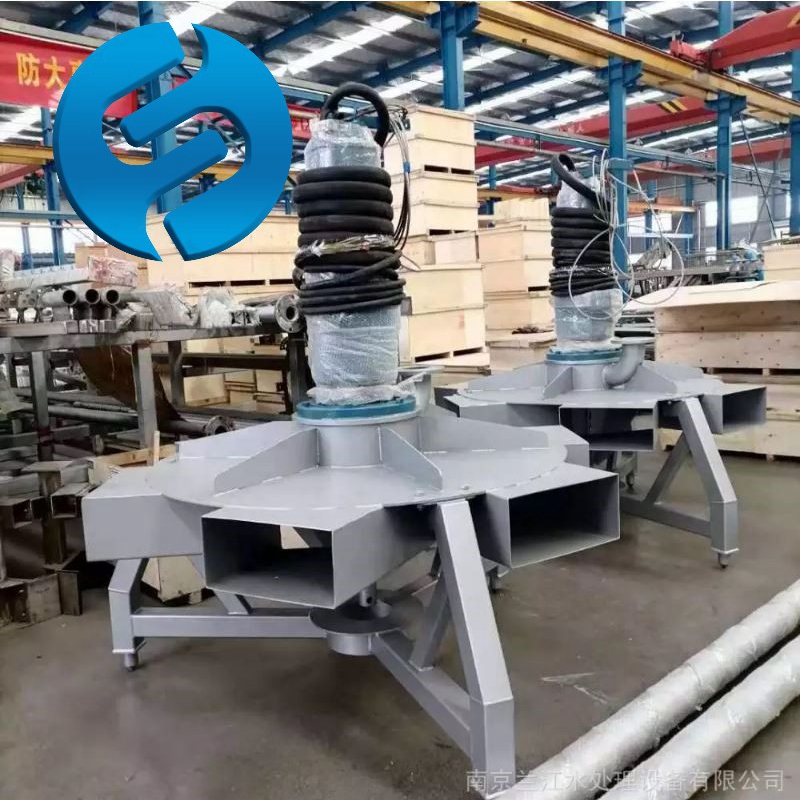
Cleaning techniques for debris entanglement in the impeller of an aeration mixer
Before you start any work on the aerator mixer impeller, always disconnect the full power supply from the main circuit and lock out the power switch to avoid accidental startup during the process. Wear waterproof work gloves, non-slip safety boots and protective goggles to keep yourself safe from sharp debris, wet slippery surfaces and splashing dirty water.Read more -
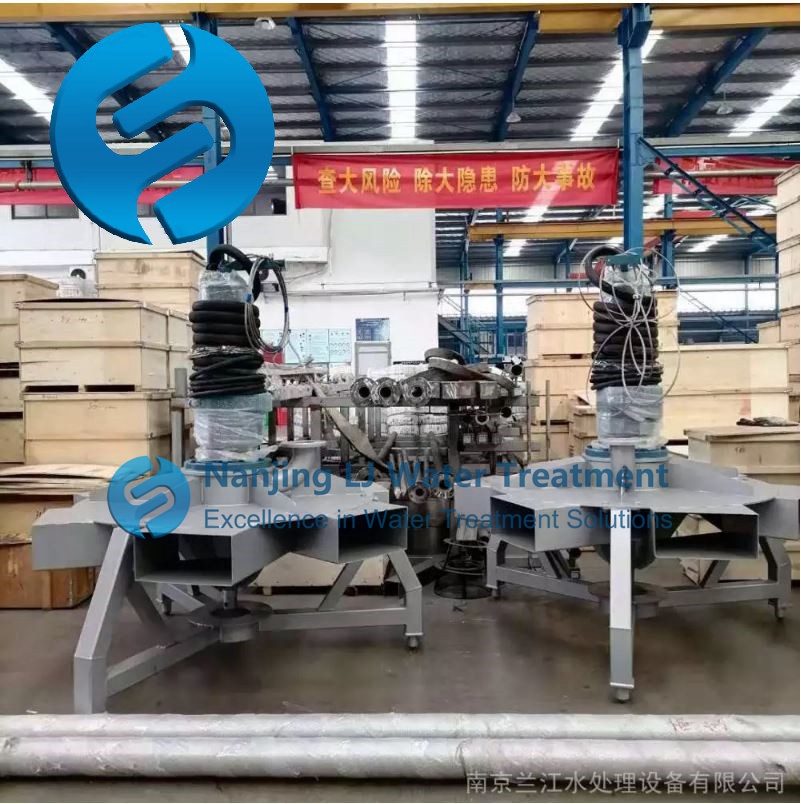
Regular cleaning method for the underwater components of the aeration mixer
Regular cleaning of underwater components for an aeration mixer is essential to keep consistent mixing efficiency and prevent unexpected performance drops during long-term submerged operation. Proper cleaning steps can remove accumulated debris and extend the reliable working life of all parts that stay in constant contact with water.Read more -
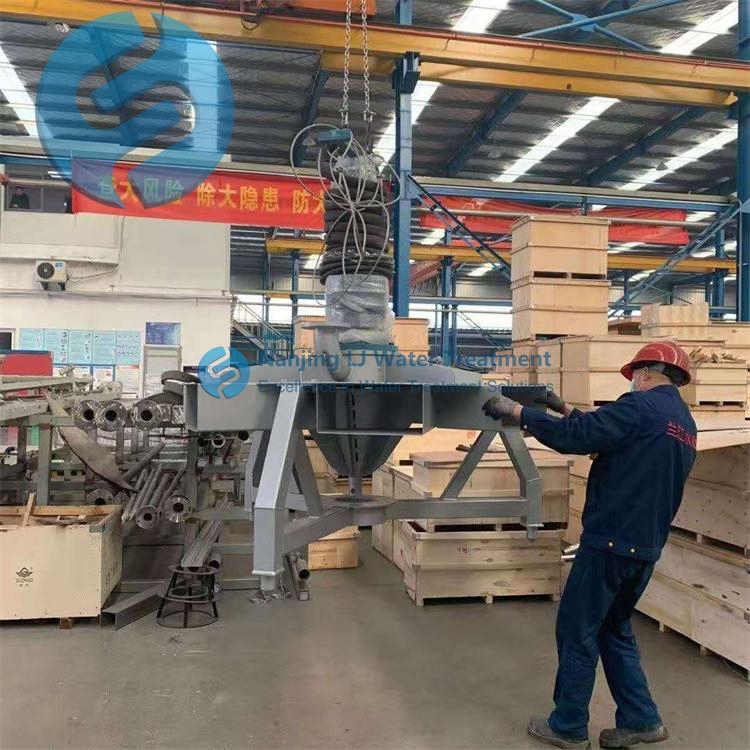
Daily inspection and maintenance items for the aeration mixer
Daily inspection and maintenance of an aeration mixer plays a key role in extending equipment service life and keeping stable operation in water treatment and aeration processes. Regular, targeted care can effectively avoid unexpected downtime and reduce unnecessary operation risks in long-term use.Read more -
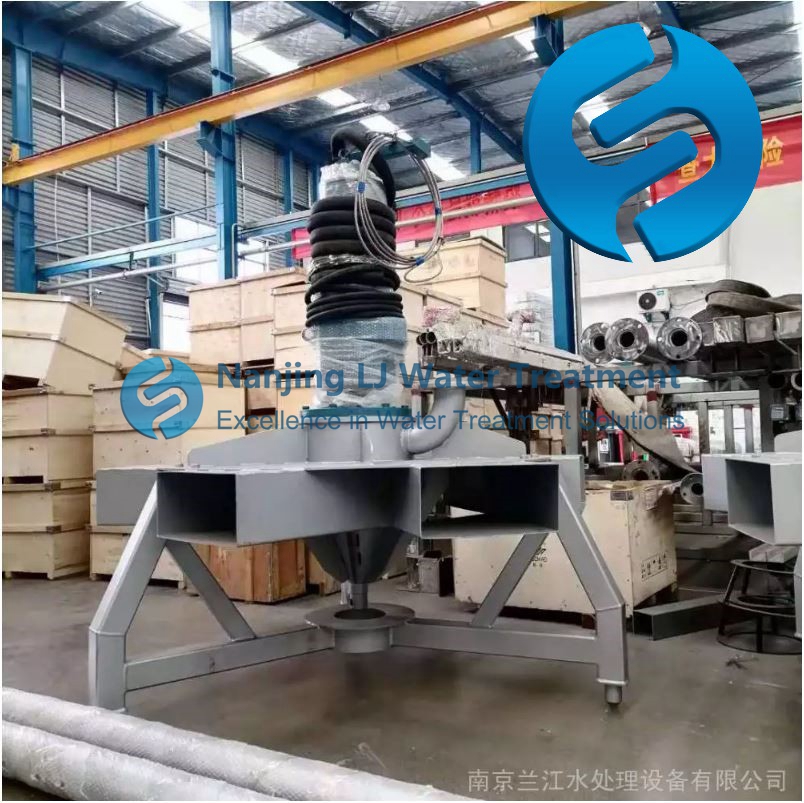
Aeration mixer high-density wastewater adaptation parameters
High-strength wastewater carries far higher concentrations of organic matter, suspended solids, and toxic compounds than standard municipal effluent, which places extreme, non-negotiable demands on the operating parameters of aerator mixers to avoid system failure and meet effluent discharge standards.Read more
