Routine Daily and Weekly Inspection Protocols
Every time before you start the aeration mixer for a new shift, walk through a quick visual check of the entire unit to spot obvious issues before they escalate. Look for loose mounting bolts, visible oil leaks around the gear housing, and frayed sections on the power supply cable. Confirm that all safety guards stay firmly in place, and no debris or tangled fibers are wrapped around the exposed edges of the impeller. Even a small piece of stray fabric caught on the blade can create uneven load on the motor and lead to unexpected overheating after several hours of continuous operation.
On a weekly basis, spend extra time checking the air intake filter and the surrounding ventilation slots on the motor housing. Clear away all accumulated dust, dried sludge, and floating debris that could block consistent airflow. If the filter element shows visible signs of clogging, rinse it gently with clean low-pressure water, let it air dry completely, and reinstall it before the next run. You should also test the emergency stop function once per week to make sure it triggers immediately and cuts all power to the unit when activated. This simple regular check prevents many preventable on-site accidents during long unattended operation cycles.
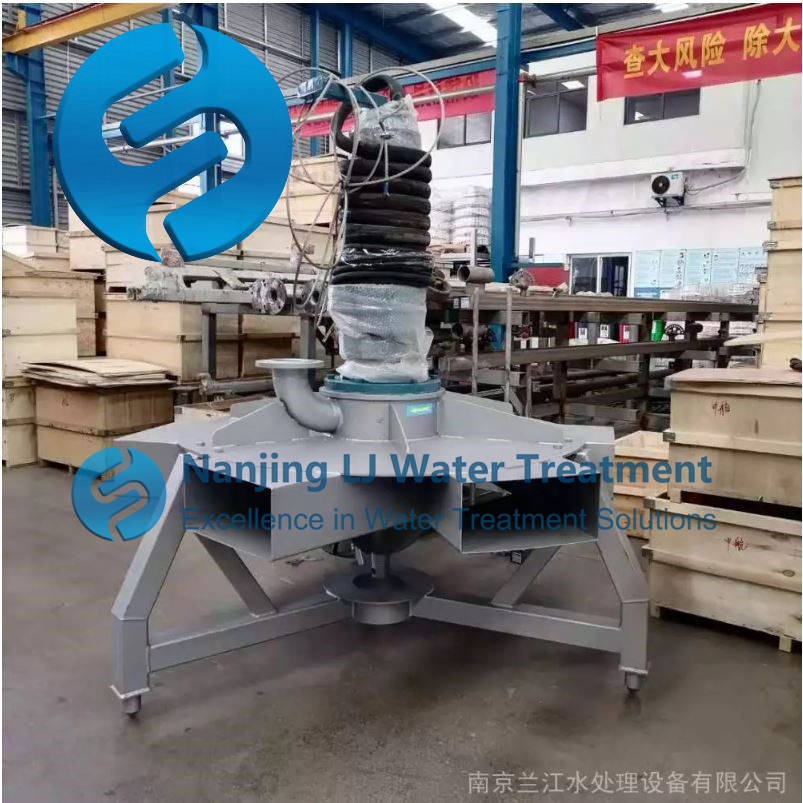
Mid-Cycle Deep Maintenance for Long Continuous Runs
After the aeration mixer has completed 3000 hours of total runtime, lift the unit out of the tank for a more thorough inspection. Carefully remove all accumulated sludge, biological growth, and hard mineral deposits that have built up on the impeller surface and along the inner edges of the aeration ports. Even a thin, uneven layer of buildup can throw off the dynamic balance of the rotating assembly, creating excessive vibration that wears down the shaft seal and bearing surfaces far faster than normal.
During this same inspection window, test the motor insulation resistance with a standard megohmmeter to confirm the reading stays above the minimum safety threshold. If the value drops below the recommended level, dry out the internal winding thoroughly and check for signs of moisture intrusion through the shaft seal. Inspect all seal surfaces for tiny cracks, pitting, or hardened wear marks that could allow water to seep into the motor housing during submerged operation. Replace any worn seal components before they fail completely, as a small leak left unaddressed can lead to irreversible motor damage that forces a full unplanned shutdown.
Check the gearbox oil level and sample a small amount of the lubricant to look for metal shavings, discoloration, or water contamination. If the oil shows obvious signs of degradation, drain it completely while the gearbox is still slightly warm, refill it with the correct grade of fresh lubricant, and run the unit for 15 minutes under low load to distribute the new oil evenly across all gear teeth and bearing surfaces.
Long-Term Storage and Off-Season Care Procedures
If you plan to take the aeration mixer out of service for more than two weeks, do not leave it submerged in the process tank. Pull the entire unit out completely, rinse every component thoroughly with clean water, and remove all traces of corrosive process fluid, organic waste, and salt residues that could cause pitting or corrosion during idle storage. Pay extra attention to the gaps around the impeller hub, aeration line connections, and cooling jacket surfaces, where trapped residues are most likely to be missed during a quick rinse.
Once the unit is fully clean and completely dry, store it in a shaded, well-ventilated area where it is protected from direct sunlight, extreme temperature swings, and heavy physical impact. Disconnect the power cable and coil it loosely on a clean, dry surface, so the internal copper strands are not stretched or bent at sharp angles. Every two weeks during extended storage, manually rotate the impeller shaft by hand several full turns to redistribute lubricant across bearing surfaces and prevent long-term static pressure from creating permanent indentations in the bearing race.
Before you return the unit to active service after a long storage period, repeat all the daily pre-operation checks, re-test the motor insulation resistance, and confirm all aeration lines are clear of blockages. This final verification step ensures the unit is in full working condition before you place it back into the tank, so it can resume normal operation without unexpected failures during critical process cycles.
Post time:2026-11-13
