Practical Tips for Removing Tangled Debris from Aerator Mixer Impellers
Before you start any work on the aerator mixer impeller, always disconnect the full power supply from the main circuit and lock out the power switch to avoid accidental startup during the process. Wear waterproof work gloves, non-slip safety boots and protective goggles to keep yourself safe from sharp debris, wet slippery surfaces and splashing dirty water. If the equipment has been running nonstop for a long time, let it sit for at least 30 minutes to cool down fully before you touch any metal parts, so you will not get burned by overheated motor components.
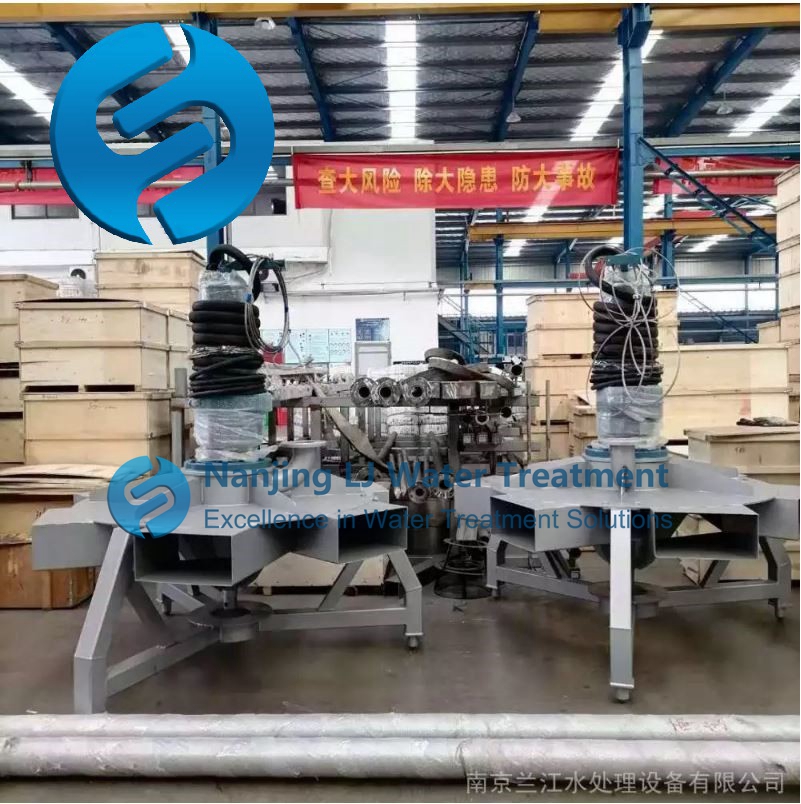
Pre-work Checks to Avoid Unnecessary Damage
First, open the outer guard of the impeller chamber and take a close look at the overall condition of the tangled area without pulling any hard debris directly. Note down what types of materials are wrapped around the impeller, such as long fibrous rags, plastic strips, aquatic weeds or hard small stones stuck between the blades. Check the gap between the impeller and the surrounding housing to see if there are any hard objects wedged in that might crack the blade if you force it loose. You can also turn the impeller gently by hand to feel where the resistance is strongest, which tells you the exact spot with the thickest tangled buildup.
Gentle Loosening for Light Tangles
For light layers of soft aquatic weeds or thin plastic strands, use a blunt plastic scraper to push the edges of the tangled material away from the blade surface first, instead of yanking it off at once. Turn the impeller slowly in the reverse direction little by little while you work, to let the loose strands slide off the blade edges naturally without bending the impeller shaft. You can also use a soft bristle brush to wipe away small loose debris that sticks to the smooth surface of the impeller blades, so no tiny leftover pieces will fall back into the mixing tank.
Targeted Removal for Heavy Blockages
When you face thick, tightly wrapped fibrous debris that cannot be pulled loose easily, use a pair of blunt-nose shears to cut the tangled material along the gap between two adjacent blades, one small section at a time. Never use sharp pointed knives that might scratch the polished surface of the impeller or leave small cracks that will expand after long hours of high speed rotation. After you cut through the main wrapped layers, lift each small section out slowly to make sure no small broken pieces fall into the equipment housing or the water tank. If there are hard small stones or hard debris wedged between the blades, use a non-metallic thin prying stick to push them out from the back side of the impeller, so you will not chip the blade edges.
Post-cleaning Steps to Keep Long-term Performance
After you clear all the tangled debris, wipe the whole impeller surface with a clean damp cloth to remove any leftover slimy residue or small fiber fragments. Turn the impeller by hand several full circles to check that it spins smoothly with no stuck spots or strange friction sounds. Double check that all removed debris is fully taken out of the work area and no small pieces are left near the equipment inlet. Reinstall all the protective guards back to their original positions and tighten every mounting screw evenly, before you restore the power supply for a short test run.
Small Daily Habits to Reduce Future Tangling
Check the impeller area once every two weeks during routine equipment rounds, to spot thin stray strands before they wrap into a thick heavy block. Install a simple coarse pre-filter screen at the water inlet of the mixing tank to catch large floating debris before they can reach the rotating impeller. If you notice the running current of the motor goes up slightly higher than the normal level during operation, pause the equipment soon to check for early signs of minor tangling, instead of letting the problem get worse over time.
Quick Troubleshooting for Hidden Residue
If you still feel slight resistance when you turn the impeller by hand after cleaning, check the back side of the impeller hub where small fiber pieces often get tucked out of plain sight. Run a soft flexible wire along the small gap between the impeller and the housing to fish out any tiny hidden strands you missed in the first pass. Wipe the shaft connection spot carefully to remove any slimy buildup that might catch new floating debris when the equipment starts running again.
Post time:2026-08-16
