Unpleasant odor release in stagnant water bodies almost always traces back to anoxic biological processes that produce volatile sulfur compounds, nitrogen byproducts and decaying organic fragments trapped below the surface. Aeration mixing interrupts these odor-forming pathways at multiple stages, rather than masking existing smells with temporary cover effects, to create long-term suppression of foul water conditions.
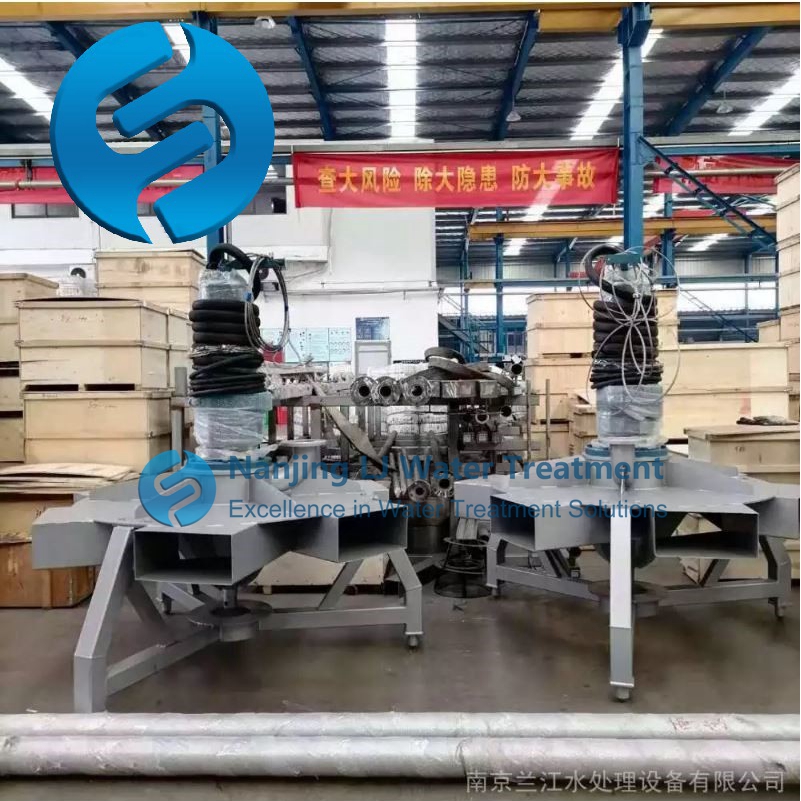
Blocking Anoxic Odor Precursor Formation
Most strong, rotten smells in water come from chemical reactions that can only happen in environments with zero or extremely low dissolved oxygen. When water stays still and stratified for weeks, the deep benthic zone loses all accessible oxygen, forcing microbes to break down organic matter through anaerobic pathways that generate hydrogen sulfide, ammonia and other smelly volatile substances. The steady water circulation from mixing action carries small, consistent amounts of dissolved oxygen down to the sediment surface, eliminating the completely anoxic micro-zones where these odor precursors start to form.
This process does not flood the entire water column with excessive oxygen all at once. It builds a gentle, stable oxygen gradient that stops anaerobic metabolism without shocking the existing microbial community. Over time, this prevents the slow buildup of high-concentration odor compounds that would later escape into the air as sharp, noticeable foul smells.
Disrupting Volatile Odor Release Pathways
Even when small amounts of odor precursors form in localized spots, stable thermal stratification usually traps them below a dense water layer, letting their concentrations climb far beyond natural levels. Once the weather shifts or a sudden water turnover happens, all these trapped compounds rush to the surface at the same time, creating a sudden, overwhelming odor event. The continuous vertical mixing breaks down the sharp density barriers that act as this trap, letting tiny amounts of odor compounds rise to the surface slowly and evenly.
At these low, steady concentrations, the smelly substances get oxidized immediately when they reach the thin surface layer with full contact to atmospheric oxygen. They never build up to the threshold where human noses can detect them, so there is never a sudden, noticeable odor outbreak. This slow, controlled release also avoids the common issue where partial treatment only delays the odor problem, letting it come back even stronger a few weeks later.
Shifting Microbial Community Balance Away From Odor Production
Long-term, consistent mixing creates living conditions that favor non-odor-producing microbial groups, instead of the specialized anaerobic bacteria that generate foul-smelling byproducts. These balanced microbial communities break down organic waste completely into stable, odorless end products, rather than leaving half-processed, smelly intermediate compounds behind. As the original anaerobic odor-producing bacteria lose their exclusive low-oxygen habitat, their total population drops steadily, reducing the system’s overall capacity to generate smelly substances even when temporary external organic inputs enter the water.
This shift also creates a more resilient water environment that can resist odor formation during hot summer periods, when high temperatures usually speed up organic decomposition and drain dissolved oxygen at a much faster rate. The connected, well-circulated water system does not develop isolated stagnant pockets that can turn into hidden odor sources, so the water stays consistently free of unpleasant smells for extended periods.
Post time:2026-07-15
