Aeration Mixer Water Push Weakness Rectification
Conducting Full System Baseline Performance Assessment
Before any targeted rectification work begins, teams carry out a complete, step-by-step baseline audit to map the exact scope of the underperformance issue. Technicians first record real-time operational data including rotational speed stability, current draw, vibration signatures, and dissolved oxygen distribution across different water depths. They cross-reference these readings against historical commissioning logs and long-term runtime benchmarks to spot deviations that signal hidden wear or unaddressed system drift. This full baseline snapshot eliminates guesswork, ensuring every subsequent adjustment targets the actual root cause rather than superficial symptoms.
Inspecting and Clearing Flow Path Blockages
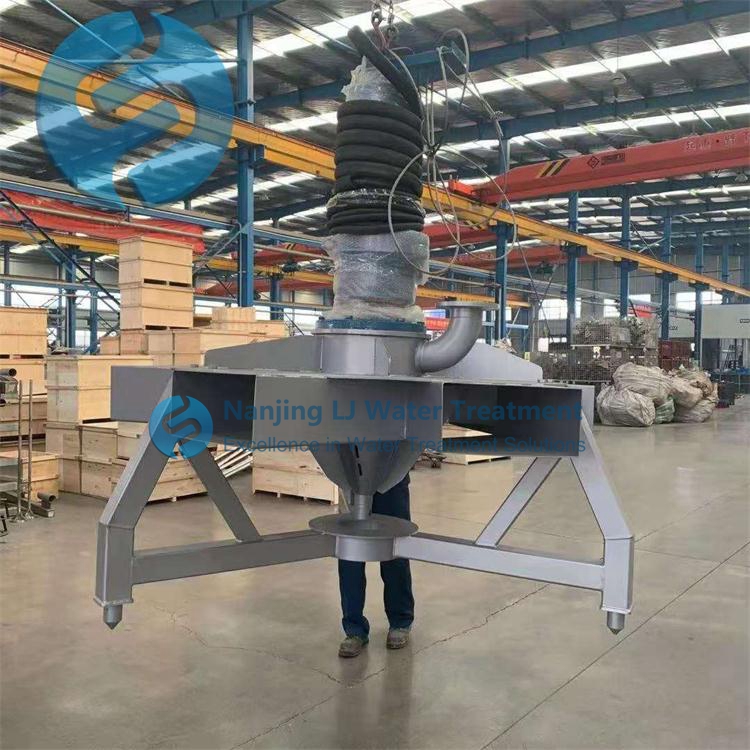
Over extended runtime, accumulated sludge, fibrous debris, and precipitated mineral deposits can build up along internal flow channels, cutting down effective water throughput and creating uneven resistance across the entire assembly. Maintenance teams carefully disassemble accessible flow sections to remove trapped material, taking extra care not to scratch or alter the precision-machined surfaces that support smooth water movement. After clearing all blockages, they manually rotate moving components to confirm no residual friction or binding remains before reassembling the unit. This step alone resolves a large share of seemingly complex push weakness issues without major overhauls.
Verifying Shaft and Transmission Alignment
Long-term operation under variable water loads can introduce subtle misalignment between drive components, creating hidden power loss that saps output strength even when surface-level readings appear normal. Technicians use precision measurement checks to confirm parallelism and concentricity across all connected transmission points, adjusting mounting positions and tension levels to bring everything back to factory-specified tolerances. They also inspect for minor shaft runout or uneven wear patterns that could introduce recurring misalignment after the unit goes back into service. Restoring proper alignment ensures full motor power translates directly to water movement, rather than being wasted as excess heat or vibration.
Fine-Tuning Depth and Operational Calibration
Even a fully mechanically sound unit can deliver weak water push if its operational parameters no longer match actual site conditions. Teams run staged test cycles at different water levels, adjusting immersion depth and operational runtime sequences to match the exact hydraulic profile of the tank. They track dissolved oxygen mixing patterns and horizontal water circulation across all zones of the basin, making small incremental tweaks to ensure flow reaches every previously underserved corner. After calibration is complete, technicians log the new optimized operating parameters for future reference, so subsequent routine checks can quickly confirm the unit stays within its highest performance window.
Performing Post-Rectification Continuous Performance Validation
Once all adjustment and maintenance work is finished, teams run extended continuous monitoring to confirm the rectification delivers stable, long-term results. They collect data across multiple consecutive operational cycles, tracking vibration levels, power draw, and water mixing consistency to ensure no new abnormal patterns emerge. They also cross-check results against the initial baseline audit data to document clear, measurable improvements in water push strength and overall aeration efficiency. This final validation step confirms the rectification work is fully effective, and creates a clear performance reference point for all future maintenance activities.
Initial Site Data Logging Protocols
Technicians label every data point with exact timestamp, water temperature, and tank fill level to ensure readings remain comparable across different test runs. They also note any recent process changes or weather shifts that could temporarily affect water density and flow behavior, preventing misleading conclusions during analysis.
Debris Removal Safety Best Practices
All disassembly work follows strict lockout-tagout procedures, with full isolation of power and air supply lines before any team member enters the tank or touches internal components. Teams also use non-marring cleaning tools to avoid damaging precision surfaces, eliminating the risk of accelerated wear after reassembly.
Alignment Check Benchmark Standards
All alignment measurements are taken both at rest and under low-power idle operation, to catch dynamic misalignment that only appears when the unit is energized. Technicians mark all adjusted positions with permanent reference points, making future routine inspections far faster and more consistent.
Post time:2026-09-07
