Proper integration of an aeration mixer with a fixed mounting bracket creates a stable, high-performance setup that supports consistent operation across different water treatment and aquaculture environments. This configuration eliminates many common pain points associated with free-floating or loosely positioned mixing equipment, while making routine operation and long-term system upkeep far more manageable.
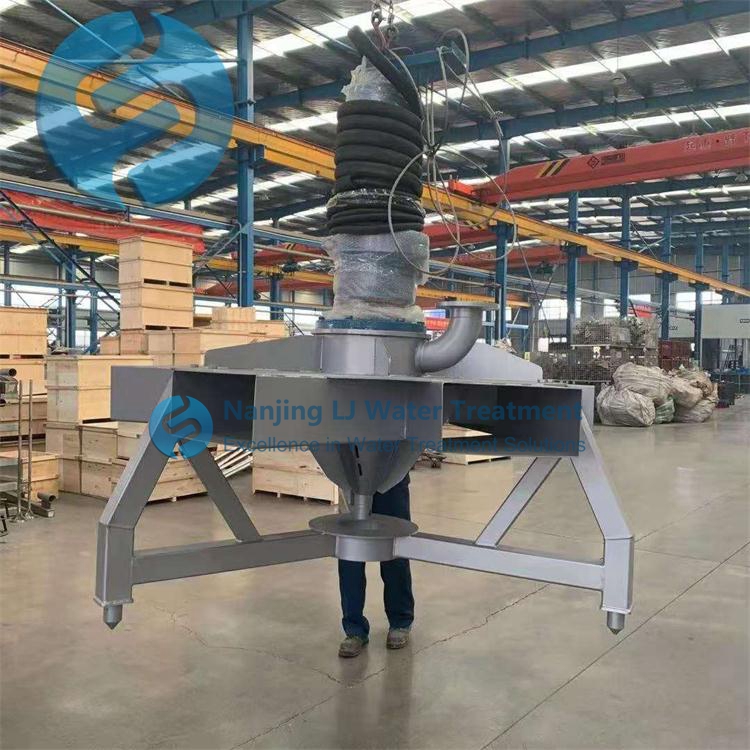
Design and structural advantages of the fixed mounting setup
A well-engineered fixed mounting bracket distributes the full operational load of the aeration mixer evenly across the pool or tank foundation, so the unit stays locked in its intended position even during extended continuous runs. The structure typically consists of load-bearing beams, precision-aligned guide rails, and corrosion-resistant connection points that hold the mixer at a precise depth and angle relative to the water surface. This fixed alignment ensures that the flow patterns generated by the mixer remain consistent day after day, with no unexpected shifts that could create dead zones or uneven oxygen distribution across the water column.
Many operators find that a properly installed fixed bracket reduces overall equipment vibration by a significant margin, which in turn lowers mechanical stress on internal components and extends the reliable service life of the entire system. Unlike temporary mounting solutions that can drift or tilt under variable water flow conditions, a fixed bracket keeps the mixer’s intake and discharge paths optimized, so every part of the water body receives the same level of mixing and aeration attention.
Performance benefits in biological reactor and industrial wastewater workflows
In biological reactor systems that rely on active sludge processing, consistent positioning from a fixed mounting bracket helps maintain uniform suspension of microbial colonies throughout the tank. When the aeration mixer stays in the correct predefined zone, it prevents settled sludge from accumulating in hard-to-reach corners, which reduces the risk of localized anaerobic conditions that can disrupt the balance of the entire treatment process. The steady, predictable flow patterns also help microbubbles generated during aeration travel farther across the tank, extending their residence time in the water and improving overall oxygen transfer efficiency.
For industrial wastewater basins that handle high volumes of organic or contaminant-rich water, a fixed mounting arrangement removes the uncertainty of equipment movement that could otherwise leave large sections of the basin under-processed. Operators can map out exact coverage zones for each mixer in the system, ensuring full basin circulation without overlapping unnecessary areas that waste energy. This level of predictable performance is especially valuable in facilities that run 24-hour treatment cycles, where any unexpected shift in mixer position could compromise effluent quality and create unplanned operational challenges.
Practical installation, alignment, and maintenance best practices
Before any installation work begins, teams should verify that the base surface where the fixed mounting bracket will sit is completely level, with minimal deviation across every meter of the planned footprint. Uneven mounting surfaces can create hidden stress points that gradually warp the bracket frame over months of continuous operation, leading to subtle alignment shifts that reduce mixing performance. Once the base is secured, technicians should tighten all connection bolts using a diagonal sequence rather than locking each fastener fully in place one after another, which helps distribute structural tension evenly across the entire frame.
After the aeration mixer is lowered along the guide rails to its pre-calculated operating depth, teams should run a short no-load test first to confirm there is no unwanted contact between the rotating assembly and any part of the bracket or tank wall. Once full operation begins, routine checks every few months should include visual inspection of all connection points for signs of loosening, as well as assessment of the bracket surface for any wear or coating degradation from prolonged submersion. During scheduled system maintenance windows, the guide rail design allows operators to lift the aeration mixer safely to the surface without draining the entire tank, which cuts downtime significantly and keeps the overall aquatic system stable for much longer.
This combination of secure positioning, consistent flow performance, and accessible maintenance makes the aeration mixer with a fixed mounting bracket a practical choice for facilities that need long-term, reliable mixing results without constant readjustment or unexpected operational interruptions.
Post time:2026-11-10
