How to Prevent Submersible Mixer Motor Burnout: A Practical Guide for Wastewater Operators
In wastewater treatment plants, submersible mixers play a critical role in maintaining proper flow patterns, preventing sedimentation, and ensuring efficient biological processes.
However, one of the most common and costly issues operators face is submersible mixer motor burnout.
At LJ Water Treatment Equipment Co., Ltd. (established in 2001), we have seen this problem repeatedly across different markets. Recently, feedback from overseas projects highlighted a key reason behind many unexpected motor failures—protection systems are not properly connected.
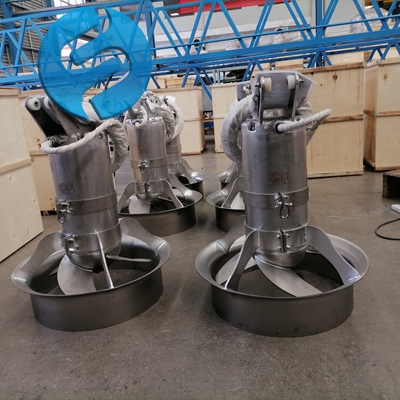
Why Do Submersible Mixer Motors Burn Out?
Motor failure is rarely caused by a single factor. In most cases, it is the result of unnoticed warning signs combined with missing protection mechanisms.
1. Protection Systems Not Connected
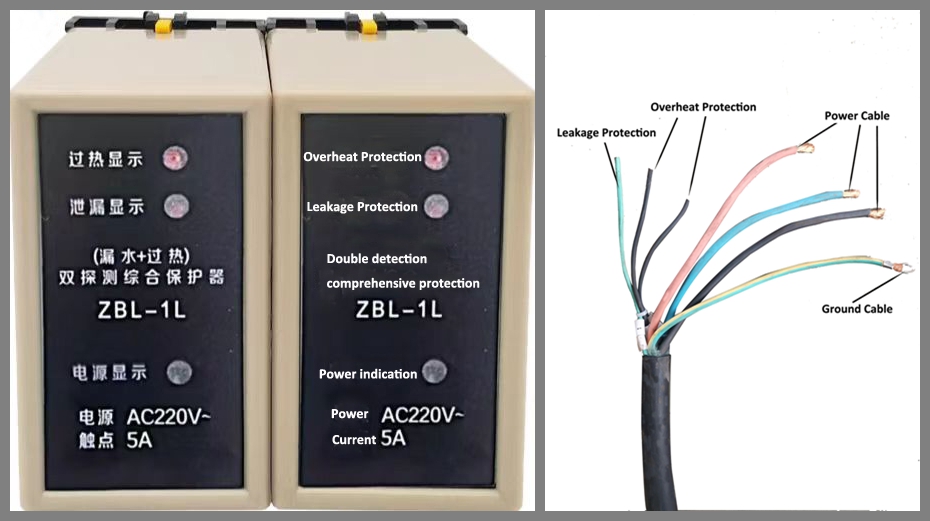
Modern submersible mixers are typically equipped with:
· Leakage (water ingress) protection
· Thermal (overheating) protection
These systems are designed to stop the motor before critical damage occurs.
However, in many retrofit or replacement projects:
· Existing control panels lack reserved terminals
· Protection cables are left unconnected
This means the mixer continues running even under fault conditions.
2. Overload and High Operating Current
A gradual increase in motor current is often an early warning sign.
Common causes include:
· Impeller blockage by debris
· Increased sludge viscosity
· Mechanical resistance (bearing wear, shaft misalignment)
Without monitoring or protection, this can quickly lead to overheating and motor damage.
3. Water Ingress and Seal Failure
Submersible equipment operates in harsh environments. Over time:
· Mechanical seals may wear out
· Moisture may enter the motor chamber
If leakage detection is not active, the motor insulation deteriorates rapidly, resulting in failure.
4. Lack of Preventive Maintenance
In many cases, simple maintenance actions could have prevented failure:
· Ignoring abnormal noise or vibration
· Not performing insulation resistance testing
· Skipping routine inspection
A Real Industry Case
In one recent project, an end user replaced an old mixer with a new unit.
However, the existing control cabinet did not support protection signal input.
Instead of modifying the panel, the installer chose not to connect:
· Leakage protection
· Thermal protection
A few months later:
· The mixer experienced overload conditions
· No alarm or shutdown occurred
The result: complete motor burnout
How to Prevent Submersible Mixer Motor Failure
1. Always Connect Protection Systems
This is the most important step.
Even if your control panel requires modification:
· The cost is relatively low
· The benefit is significant
2. Monitor Key Operating Parameters
Regularly check:
· Motor current (compare with rated value)
· Voltage stability
· Temperature trends
An abnormal increase usually indicates a developing issue.
3. Perform Routine Inspection and Maintenance
We recommend:
· Daily visual and noise checks
· Monthly insulation resistance testing
· Periodic impeller cleaning
4. Respond Early to Warning Signs
Stop and inspect the mixer if you notice:
· Unusual noise
· Increased vibration
· Oil leakage
· Reduced mixing performance
Early action can prevent major failure.
Choosing the Right Submersible Mixer
A reliable mixer should not only deliver performance but also include:
· Integrated protection systems
· Durable sealing design
· Stable motor performance
If you are selecting or upgrading equipment, you can explore our
[submersible mixer series]
(where you will find different models for wastewater, sludge, and industrial applications).
For specific configurations and technical details, visit an individual
[submersible mixer QJB model]
to review parameters such as power, impeller diameter, and installation options.
About LJ Water Treatment Equipment Co., Ltd.
Founded in 2001, LJ Water Treatment Equipment Co., Ltd. specializes in the design and manufacturing of submersible mixers and related wastewater treatment equipment.
Learn more about our company, experience, and project cases on our
[LJ Water Treatment Equipment Co.,Ltd]
Post time:2026-03-31
