Same Tank, Different Media: Why Fluid Viscosity Changes Your Mixer Selection
Summary: Imagine two identical circular tanks: Diameter 5m, Depth 4m. One contains thin anaerobic wastewater, the other contains thick cattle manure. Would you use the same Submersible Mixer? The answer is a definitive NO. LJ Water Treatment Equipment explains the critical impact of medium density and viscosity on equipment selection.
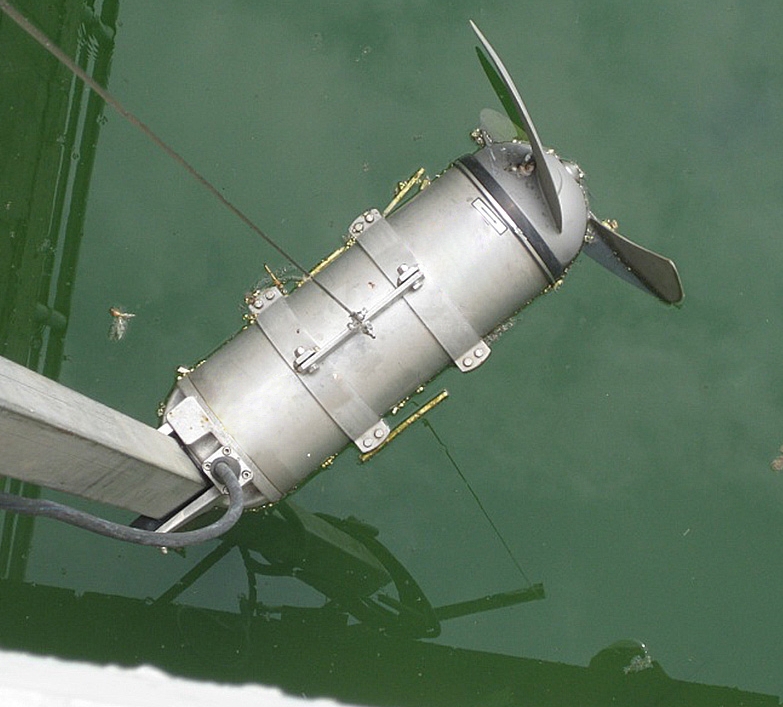
1. Case Study: The 78.5m³ Circular Tank Challenge
At LJ Water Treatment Equipment, we often see clients requesting the same model for identical tanks. Let's look at why this leads to failure in high-viscosity applications.
Tank Specifications:
● Dimensions: Diameter 5m x 4m (Total Volume: 78.5m³)
● Comparison: Anaerobic Wastewater vs. Cattle Manure (Liquid Manure)
2. Scenario A: The Anaerobic Tank (Wastewater)
In a standard anaerobic stage, the medium is mostly water with a low concentration of suspended solids (MLSS).
● Medium Properties: Density 1.05 t/m³, Low Viscosity.
● Mixing Goal: Prevent sludge settling and maintain a flow velocity of 0.3 m/s.
● LJ Selection Logic: * Because the water flows easily, we focus on flow volume. A standard high-speed Submersible Mixer is sufficient.
○ Power Density: Approximately 8 - 10 W/m³.
○ Recommended Model: QJB 1.5/6-260 (Small power, high efficiency).
3. Scenario B: The Cattle Manure Tank (Biogas/Farm Waste)
Cattle manure is a "tough" medium. It is thick, contains long fibers (straw/hay), and has high internal friction (viscosity).
● Medium Properties: Density 1.15 - 1.2 t/m³, High Viscosity.
● Mixing Goal: Break the surface crust and prevent heavy solids from compacting at the bottom.
● LJ Selection Logic: * Higher Torque Required: You need raw "pushing power" to cut through the thick sludge. A small, high-speed impeller will simply "drill a hole" in the mud without moving the whole tank.
○ Power Density: Can jump to 30 - 50 W/m³.
○ Recommended Model: QJB 4.0/12-620 or even a Top Entry Mixer Paddle Type. The larger blades and higher motor power are essential to overcome the shear resistance of the manure.
4. Why Viscosity "Kills" Under-Sized Mixers
When you put a "wastewater" mixer into a "manure" tank, two things happen:
1. Motor Overload: The motor works much harder to turn the blades through the thick liquid, leading to frequent thermal trips.
2. Short Flow Range: The kinetic energy is absorbed by the thick medium within 1-2 meters, leaving the rest of the tank stagnant.
At LJ Water Treatment Equipment (since 2001), we use specialized formulas to calculate the Viscosity Correction Factor. For thick media like cattle manure, we often recommend our Three-Blade Top Entry Mixer for more consistent torque delivery.
5. Summary Table: Same Tank, Different Needs
Feature | Anaerobic Tank | Cattle Manure Tank |
Viscosity | Low (Like water) | High (Thick/Fibrous) |
Recommended Power | 1.5 kW | 4.0 kW - 5.5 kW |
Impeller Diameter | Smaller (260mm) | Larger (620mm) |
Selection Key | Flow Velocity | Torque & Shear Force |
Conclusion: Expertise You Can Rely On
Choosing the right mixer requires more than just a volume calculation. It requires a partner who understands the "physics of the fluid."
Whether you are handling clear water or heavy farm waste, LJ Water Treatment Equipment provides the technical precision to ensure your project’s success.
Post time:2026-03-13
