News
-
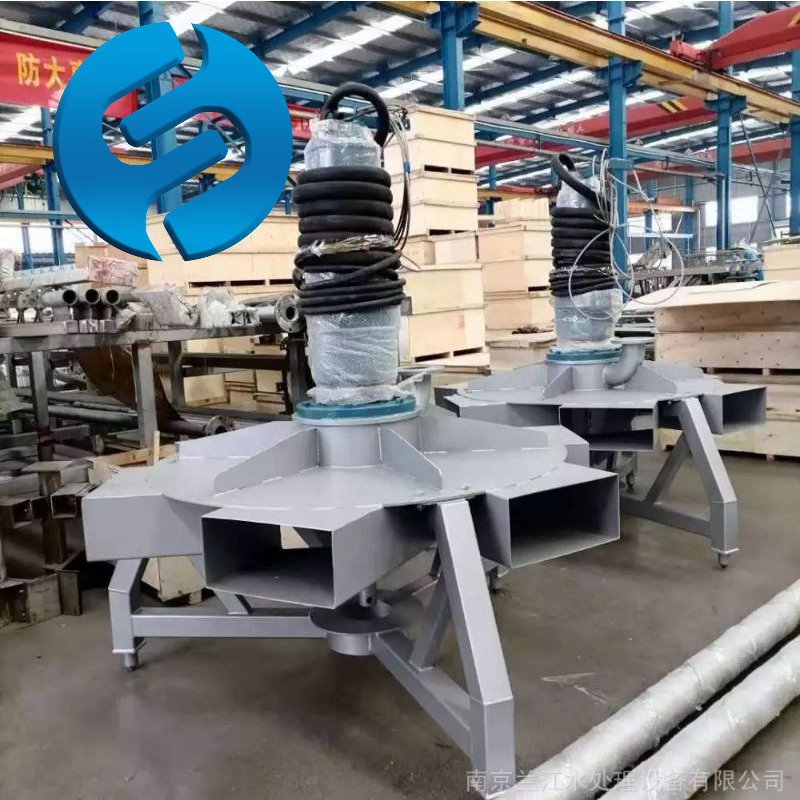
Maintenance cycle standard for aeration mixer
A properly structured maintenance cycle for aeration mixers forms the foundation of stable long-term operation in water treatment and industrial mixing systems, preventing unexpected performance drops and unplanned downtime during continuous operation.Read more -
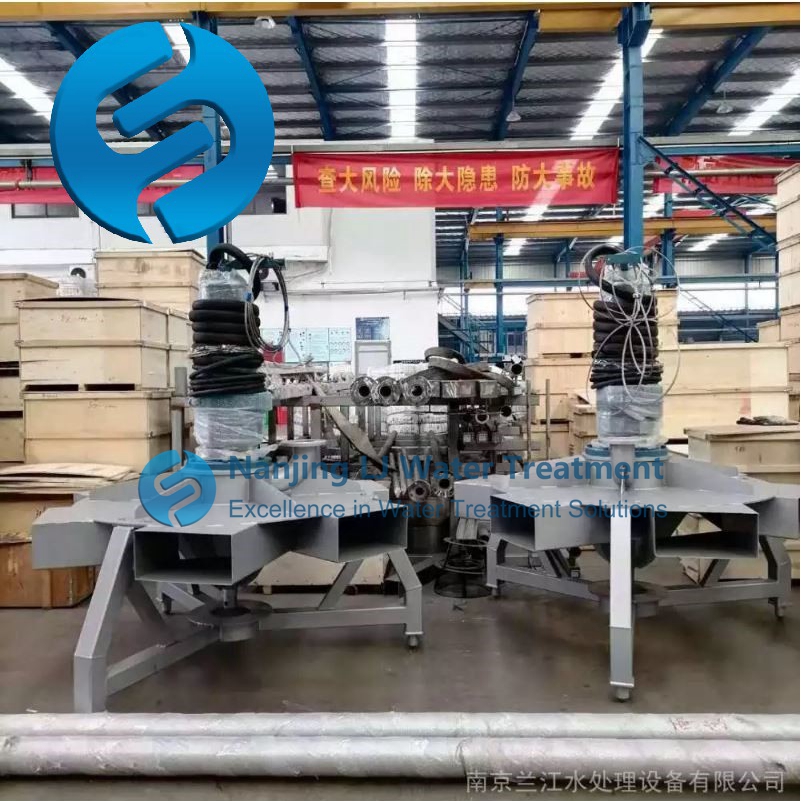
Maintenance method for rust removal of the entire aeration mixer unit
Aeration mixer assemblies operate in consistently moist, oxygen-rich environments that make exposed metal surfaces highly vulnerable to rust formation over extended service cycles. Unaddressed rust degrades structural integrity, disrupts smooth mechanical movement, and creates hidden failure points that shorten the equipment’s overall service life.Read more -
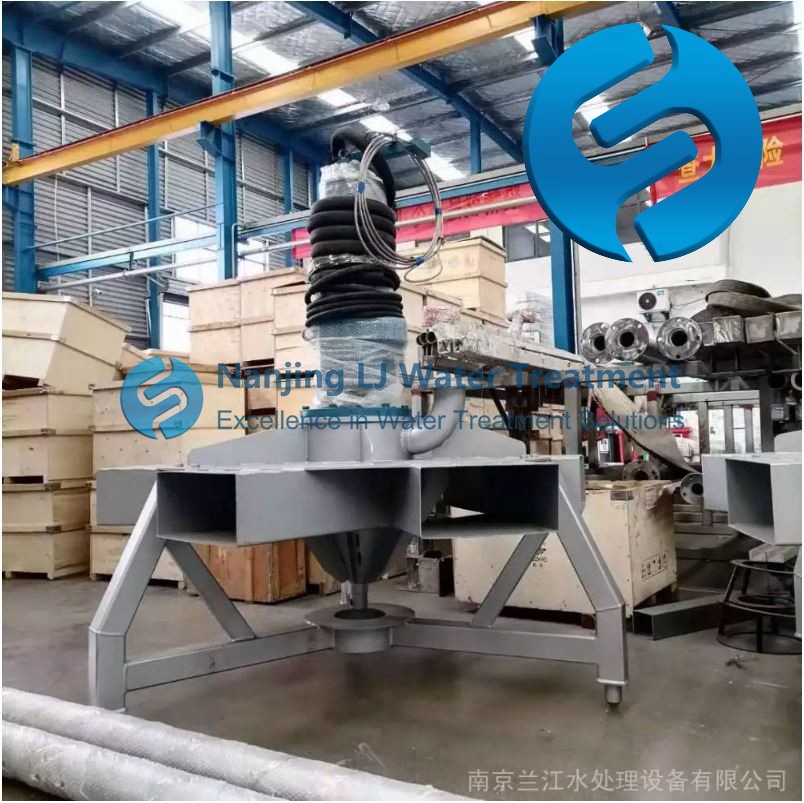
Aeration mixer operation vibration adjustment and maintenance
Aeration mixer operation relies on stable mechanical performance to maintain consistent oxygen transfer and mixing efficiency over long service cycles. Uncontrolled vibration is one of the most common hidden issues that accelerates component wear, disrupts process stability, and leads to unexpected downtime if left unaddressed.Read more -
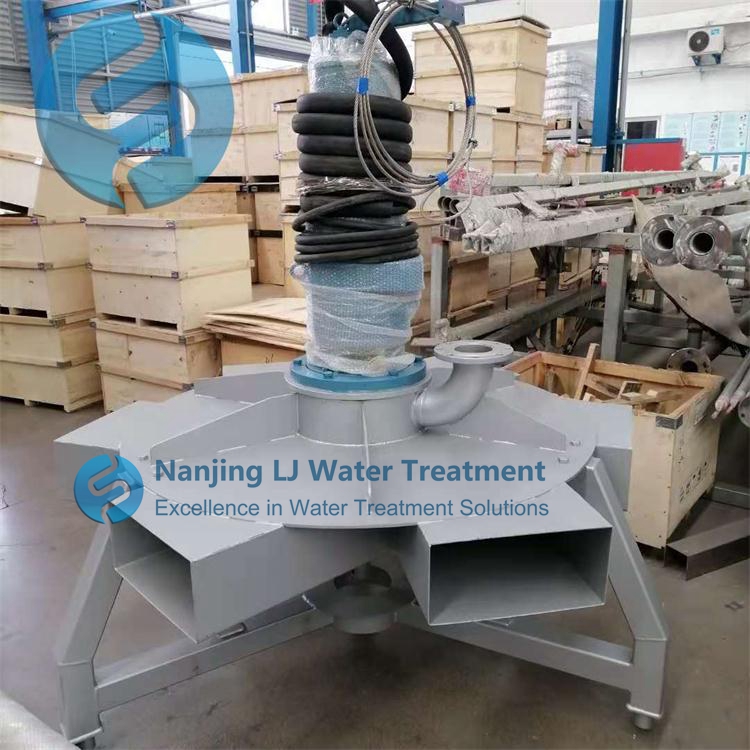
Cleaning techniques for the dirt on the air-inlet of the aeration mixer
Over extended operation, fouling on aeration mixer outlet ports builds up gradually, narrowing airflow paths, disrupting uniform bubble distribution, and dragging down overall oxygen transfer efficiency.Read more -
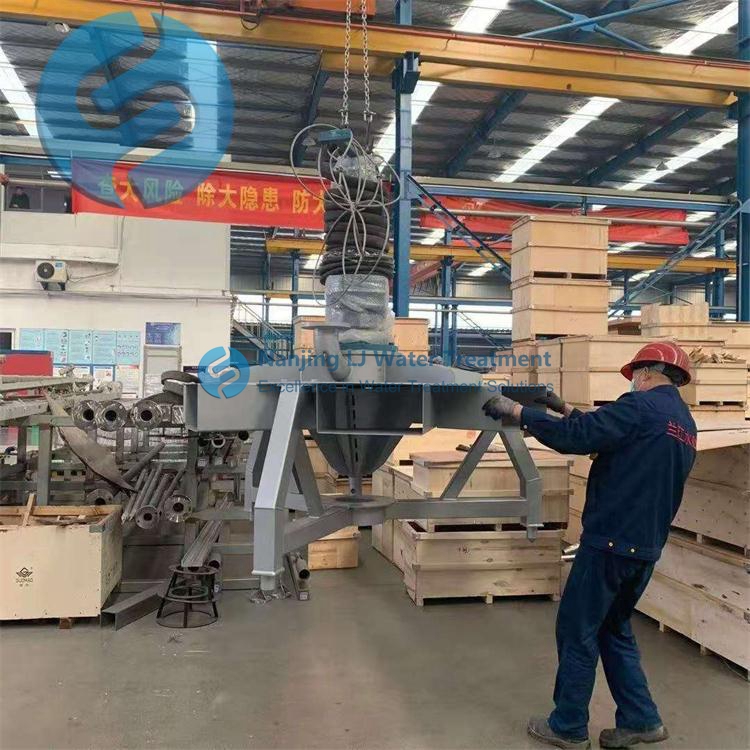
Method for preventing moisture accumulation when the aeration mixer is idle and stored
When aeration mixers are taken offline for extended idle periods, improper storage can lead to hidden moisture damage that only becomes visible when you try to restart the unit later. Many facilities skip targeted moisture protection steps during idle storage, and end up dealing with unexpected performance drops, component corrosion, or full system failures that take far more time and labor to fixRead more
